
13 Best Telemedicine App Development Companies Reviewed in 2026

10 Best Telemedicine App Development Companies Shortlist
Here’s my shortlist of the best telemedicine app development companies:


Navigating the world of telemedicine can be daunting, especially when you're trying to find the right app development partner. You want a provider who understands your challenges, like maintaining patient confidentiality and ensuring smooth user experiences. Telemedicine app development companies can ease these burdens by offering tailored solutions for your practice.
In my experience, choosing the right partner is key to enhancing your healthcare services. I've reviewed various providers to give you an unbiased look at the best options available. You'll find insights into what each company offers and how they can meet your specific needs. This article will guide you through my top picks, ensuring you make an informed decision for your team.
Why Trust Our Software Reviews
We’ve been testing and reviewing medical software since 2023. As medical practice leaders ourselves, we know how critical and difficult it is to make the right decision when selecting software.
We invest in deep research to help our audience make better software purchasing decisions. We’ve tested more than 2,000 tools for different medical practice use cases and written over 1,000 comprehensive software reviews. Learn how we stay transparent & our software review methodology.
Best Telemedicine App Development Company Summary
This comparison chart summarizes pricing details for my top telemedicine app development company selections to help you find the best one for your budget and business needs.
| Service | Best For | Trial Info | Price | ||
|---|---|---|---|---|---|
| 1 | Best for data security | Free consultation available | Pricing upon request | Website | |
| 2 | Best for scalable solutions | Free consultation available | Pricing upon request | Website | |
| 3 | Best for enterprise-level clients | Free consultation available | Pricing upon request | Website | |
| 4 | Best for niche market apps | Consultation available upon request | Pricing upon request | Website | |
| 5 | Best for user-centered design | Free consultation available | Pricing upon request | Website | |
| 6 | Best for rapid app development | Consultation available upon request | Pricing upon request | Website | |
| 7 | Best for startups and small businesses | Consultation available upon request | Pricing upon request | Website | |
| 8 | Best for HIPAA compliance | Consultation available upon request | Pricing upon request | Website | |
| 9 | Best for global market reach | Consultation available upon request | Pricing upon request | Website | |
| 10 | Best for agile development teams | Consultation available upon request | Pricing upon request | Website |
Best Telemedicine App Development Companies Reviews
Below are my detailed summaries of the best telemedicine app development companies that made it onto my shortlist. My reviews offer a look at each provider’s key services, unique specialties, and pros & cons to help you find the best one for your needs.

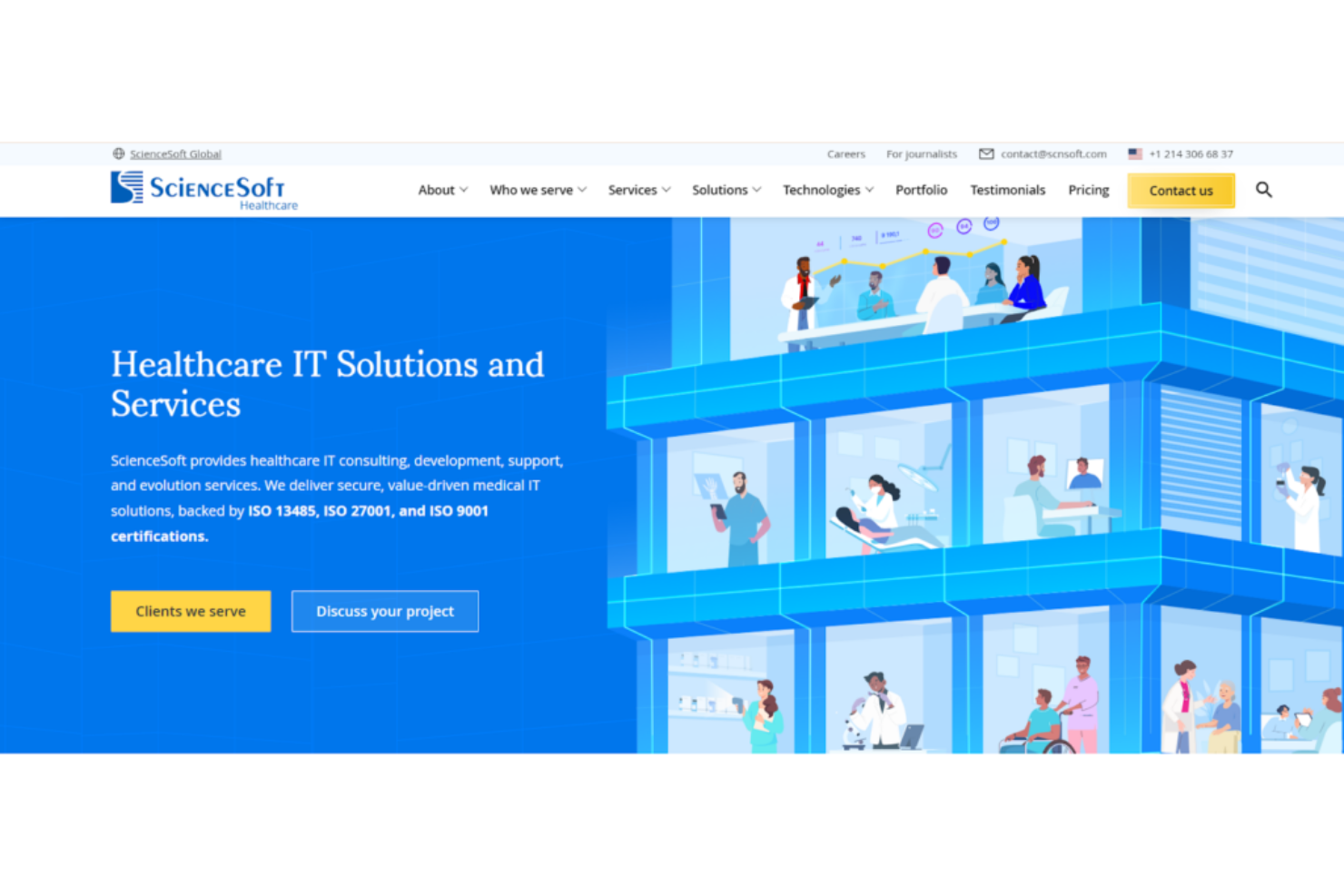
ScienceSoft offers healthcare IT consulting, custom software development, and data analytics services, focusing on enhancing operational efficiency and patient care. They primarily serve healthcare providers, medical institutions, and pharmaceutical companies.
Why I picked ScienceSoft: Their focus on data security ensures your team can handle sensitive patient information with confidence. ScienceSoft provides HIPAA-compliant solutions, safeguarding your data throughout its lifecycle. Their expertise in healthcare IT consulting helps you optimize your IT infrastructure and improve patient outcomes.
Standout Services: ScienceSoft offers cloud solutions, which enable your team to improve scalability and access to healthcare data. They also provide AI-driven analytics, helping you extract valuable insights from complex datasets to make informed decisions.
Target industries: Healthcare, pharmaceuticals, medical research, insurance, and biotechnology.
Specialties: Healthcare IT consulting, custom software development, data analytics, cloud solutions, and AI-driven analytics.
Pros and Cons
Pros:
- Experienced with integrations and analytics-heavy environments
- HIPAA-ready development for sensitive patient data
- Strong healthcare IT and security expertise
Cons:
- Less focused on rapid experimentation than smaller studios
- Process can feel more structured than startup-friendly

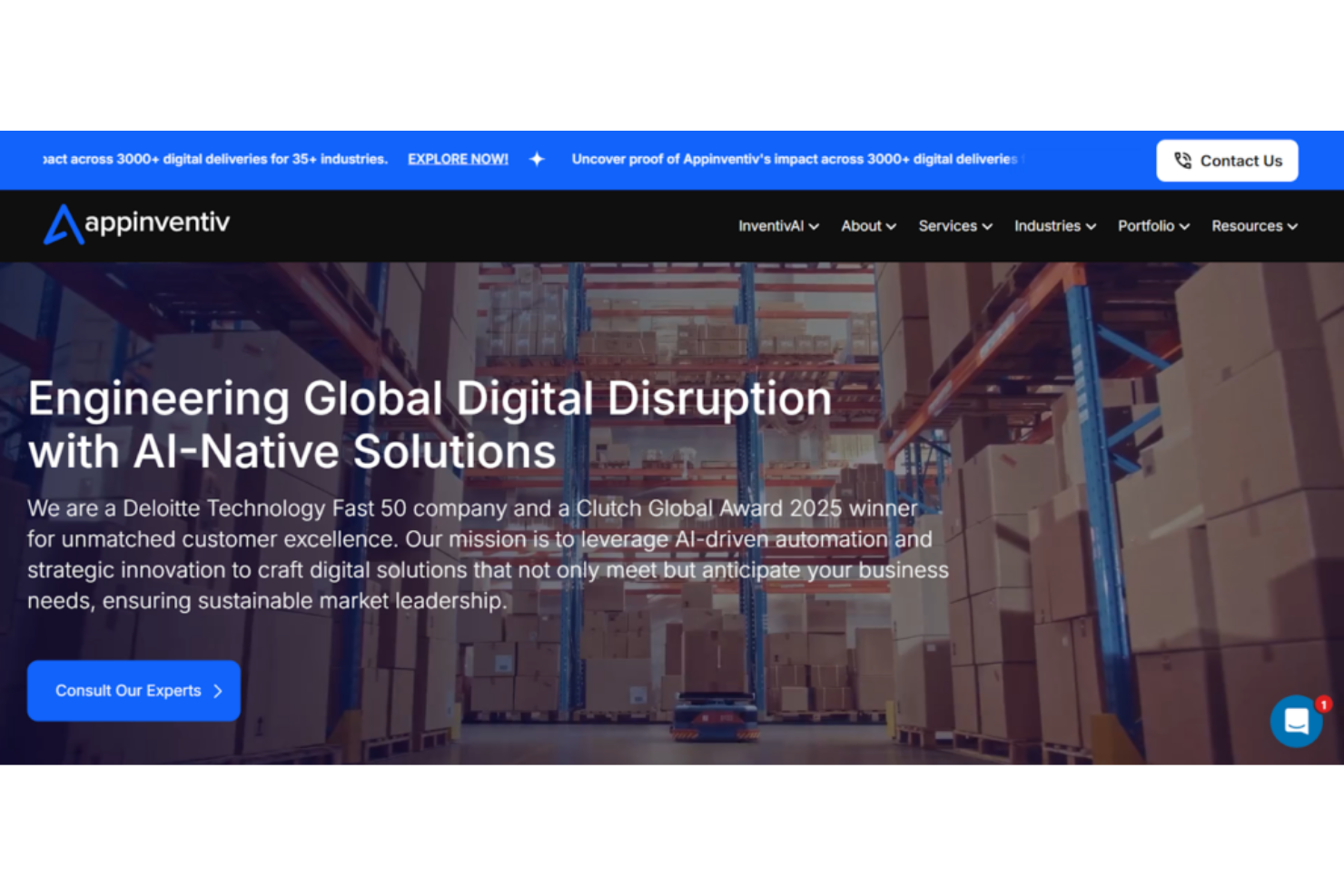
Appinventiv offers end-to-end app development services, focusing on mobile and web applications, digital transformation, and product engineering. They primarily serve startups and enterprises, helping them innovate and scale their digital products.
Why I picked Appinventiv: They specialize in scalable solutions, ensuring your team can grow and adapt as your needs change. Appinventiv's expertise in digital transformation helps you modernize your operations and improve efficiency. Their product engineering capabilities allow you to launch innovative products quickly and effectively.
Standout Services: Appinventiv provides blockchain development, which enhances security and transparency in your operations. They also offer IoT solutions, enabling your team to connect devices and gather valuable data insights for better decision-making.
Target industries: Healthcare, fintech, retail, logistics, and education.
Specialties: Mobile and web app development, digital transformation, product engineering, blockchain development, and IoT solutions.
Pros and Cons
Pros:
- Strong mobile product development capabilities
- Broad digital product expertise across app types
- Good scalability for fast-growing telehealth platforms
Cons:
- Telemedicine-specific workflow depth can vary by project
- Not a dedicated telemedicine development specialist


Itransition offers a wide range of services, including application development, technology advisory, digital enterprise solutions, and data analytics. They primarily serve large enterprises across industries such as healthcare, finance, manufacturing, and retail.
Why I picked Itransition: Their strength lies in catering to enterprise-level clients with complex needs, offering tailored solutions that align with your business objectives. Itransition's expertise in application security and software product engineering ensures your team gets secure and innovative applications. As a Microsoft Gold Partner, they provide advanced cloud solutions to support your digital transformation initiatives.
Standout Services: Itransition offers enterprise app integration, which helps your team connect disparate systems for better data flow and collaboration. They also provide business process management, which improves efficiency by automating and optimizing your operational processes.
Target industries: Healthcare, finance, manufacturing, retail, and insurance.
Specialties: Application security, software product engineering, enterprise app integration, cloud solutions, and customer experience management.
Pros and Cons
Pros:
- Well-suited for large-scale digital transformation
- Deep integration and cloud engineering expertise
- Strong fit for complex enterprise healthcare builds
Cons:
- May be too heavy for smaller teams or simpler builds
- Not a dedicated telemedicine development specialist
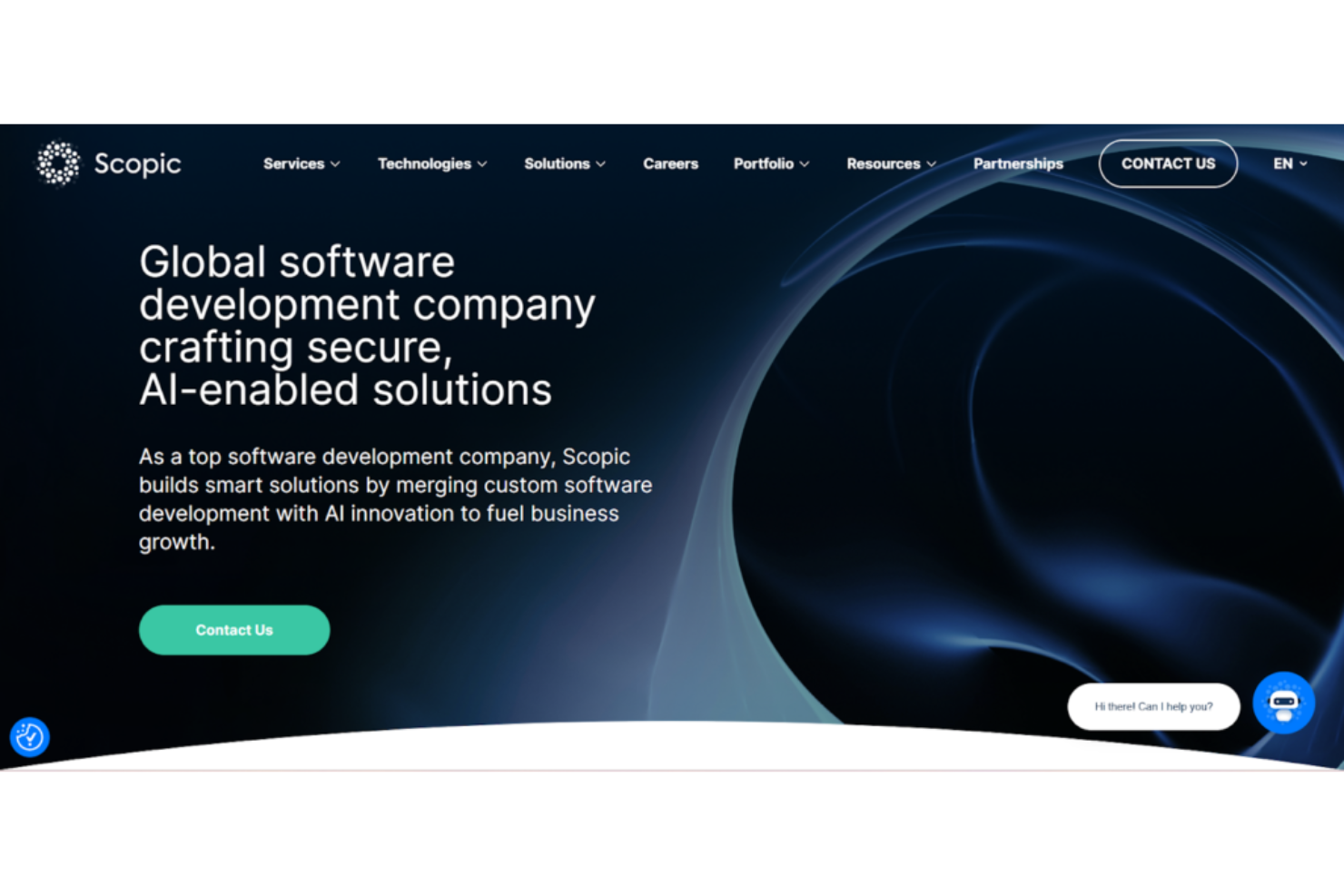
Scopic Software offers custom software development, web and mobile app development, and digital marketing services. They primarily serve small to medium-sized businesses, focusing on creating tailored solutions for niche markets.
Why I picked Scopic Software: They excel in developing niche market apps, providing your team with tailored solutions that address specific industry needs. Scopic Software's expertise in custom software development ensures that your applications are unique and meet your business requirements. Their focus on digital marketing helps you enhance your app's visibility and reach your target audience effectively.
Standout Services: Scopic Software provides 3D modeling and design, which is useful for creating visually engaging applications that stand out in competitive markets. They also offer eCommerce development, enabling your team to build robust online stores that enhance customer experience and drive sales.
Target industries: Healthcare, education, eCommerce, entertainment, and manufacturing.
Specialties: Custom software development, web and mobile app development, digital marketing, 3D modeling and design, and eCommerce development.
Pros and Cons
Pros:
- Good fit for SMBs needing tailored app features
- Can pair product build with marketing support
- Flexible custom development for niche use cases
Cons:
- Healthcare workflows can feel more general than specialized
- Not a dedicated telemedicine development specialist

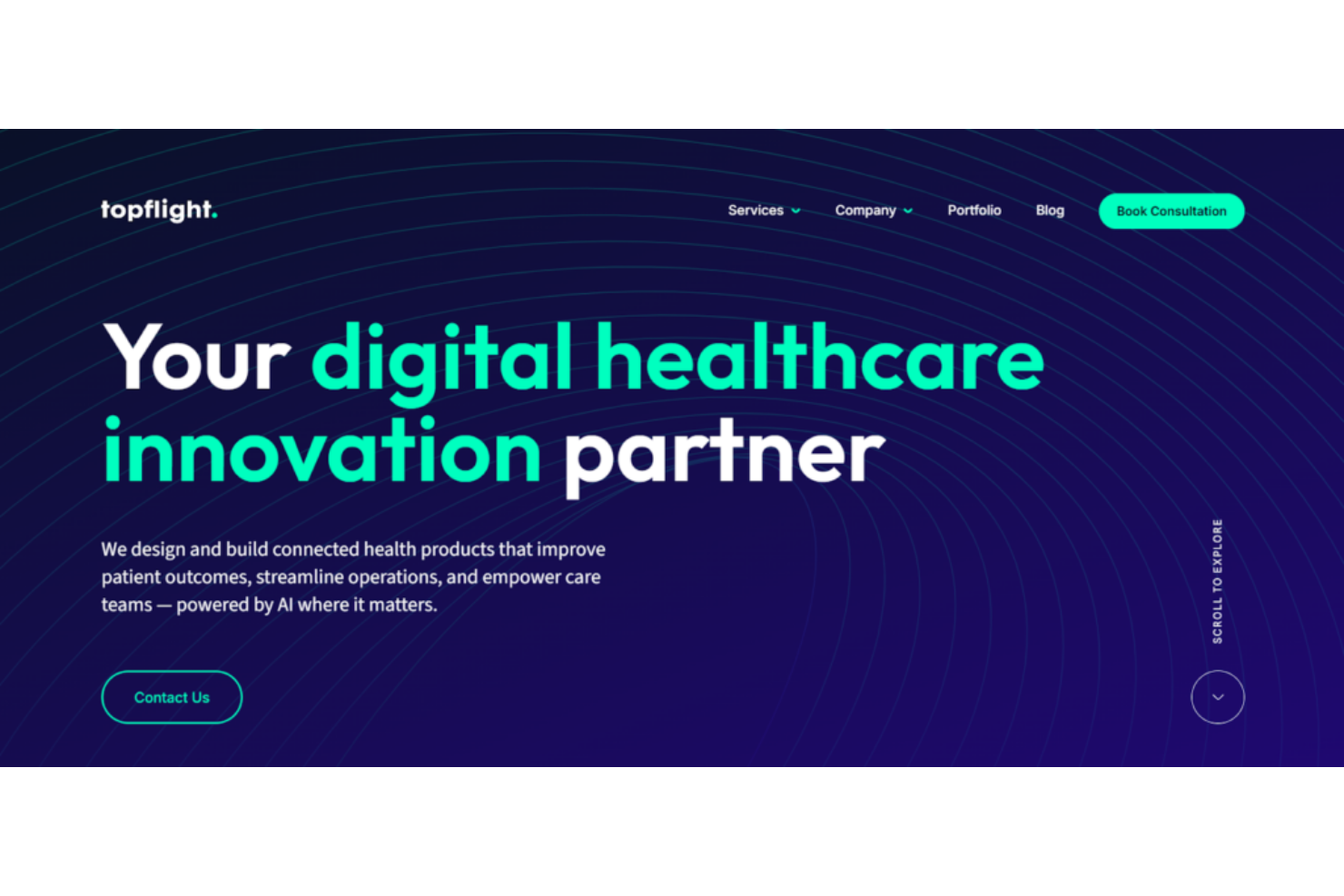
Topflight Apps is a digital and AI healthcare consultancy that focuses on creating connected health products to enhance patient outcomes and optimize operations. They offer services like AI consulting, mobile health app development, and EHR integration, primarily serving healthcare organizations and startups.
Why I picked Topflight Apps: Their user-centered design approach ensures your team develops applications that are both intuitive and effective. Topflight Apps excels in rapid prototyping, allowing you to quickly test and iterate on your ideas. With their expertise in EHR integration, they help you seamlessly connect your applications with existing healthcare systems.
Standout Services: Topflight Apps provides generative AI solutions, which enable your team to leverage advanced AI for innovative healthcare applications. They also offer agile development, allowing you to adapt quickly to changing needs and improve project outcomes.
Target industries: Healthcare, digital health, startups, AI, and medical technology.
Specialties: AI consulting, mobile health app development, EHR integration, rapid prototyping, and generative AI solutions.
Pros and Cons
Pros:
- Good EHR integration and prototyping expertise
- Excellent for intuitive patient-facing experiences
- Strong focus on digital health product design
Cons:
- Potential high cost for custom solutions
- Limited to the US


JetBase provides custom software development, MVP development, and web and mobile app development services. They serve industries like healthcare, education, retail, and fintech, focusing on creating efficient and scalable solutions.
Why I picked JetBase: They excel in rapid app development, delivering projects with high uptime and quick turnaround times. JetBase's expertise in technologies like Node.js and React ensures your team receives modern, responsive applications. Their focus on tailored solutions makes them a reliable partner for meeting specific business needs efficiently.
Standout Services: JetBase offers legacy code refactoring, which is essential for maintaining and updating existing systems without starting from scratch. They also provide systems integration, helping your team connect various software applications to improve workflows and data sharing.
Target industries: Healthcare, education, retail, fintech, and eCommerce.
Specialties: Custom software development, web and mobile app development, legacy code refactoring, cloud migration, and systems integration.
Pros and Cons
Pros:
- Good fit for tailored platform builds
- Strong modern web and mobile tech stack
- Fast development for MVP and launch timelines
Cons:
- Post-launch support can be less consistent
- Not a dedicated telemedicine development specialist
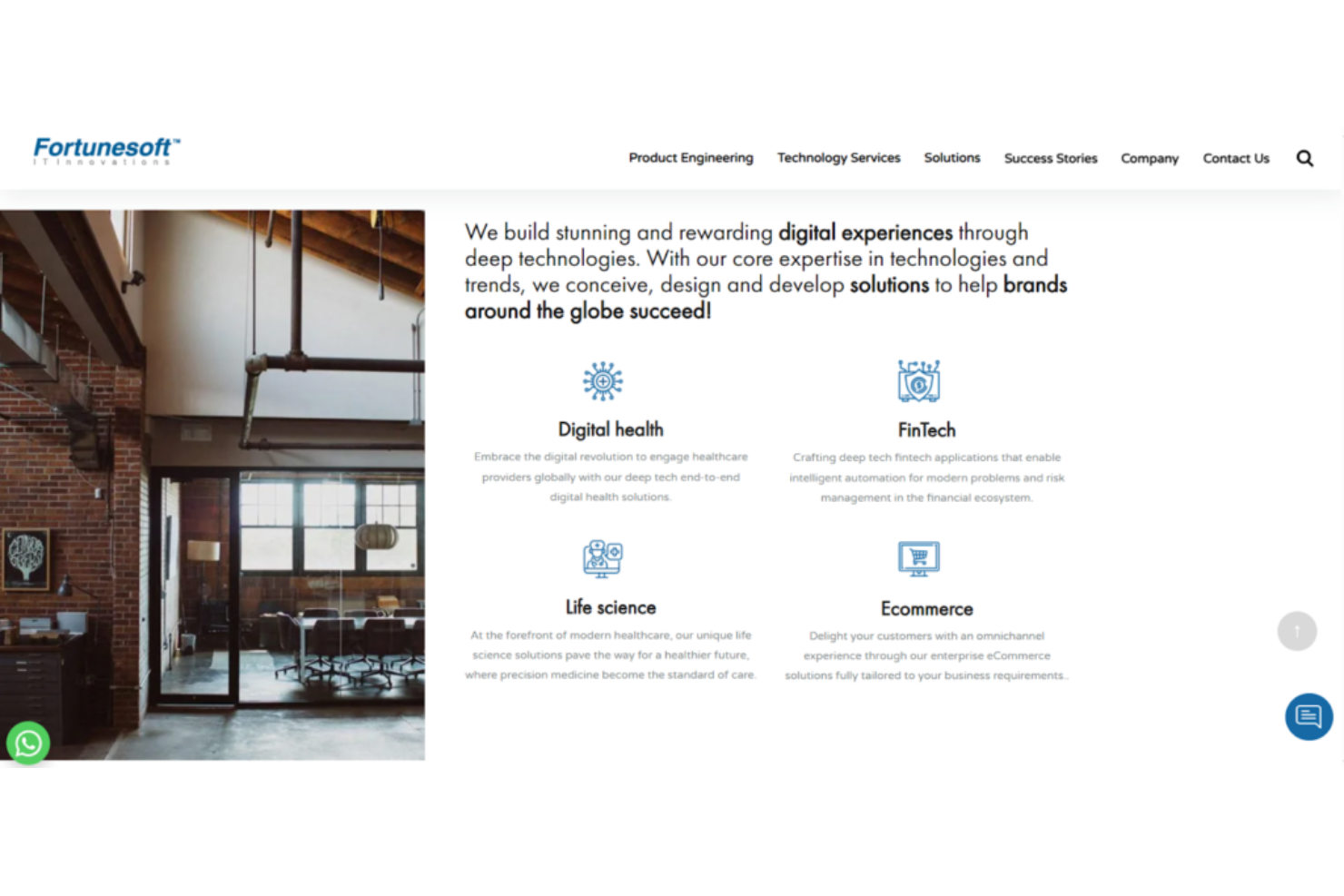
Fortunesoft offers full-cycle development services, including custom software development, API integration, and mobile enablement. They primarily serve industries such as digital healthcare, fintech, life sciences, and eCommerce, focusing on startups and small businesses.
Why I picked Fortunesoft: They excel in providing tailored solutions for startups and small businesses, ensuring that your team receives flexible and scalable software. With their expertise in SaaS solutions and API middleware, Fortunesoft enables you to innovate and grow efficiently. Their focus on advanced technologies like AI and analytics makes them an ideal partner for developing cutting-edge applications.
Standout Services: Fortunesoft provides SaaS solutions, which are essential for businesses looking to expand their digital capabilities without heavy infrastructure investments. They also offer API middleware, helping your team integrate various software systems smoothly, enhancing operational efficiency.
Target industries: Digital healthcare, fintech, life sciences, eCommerce, and SaaS.
Specialties: Custom software development, API integration, SaaS solutions, mobile enablement, and data analytics.
Pros and Cons
Pros:
- Solid API and SaaS development experience
- Flexible engagement for growing product teams
- Good fit for startups with limited budgets
Cons:
- Healthcare and telehealth depth feels broader than specialized
- Not a dedicated telemedicine development specialist
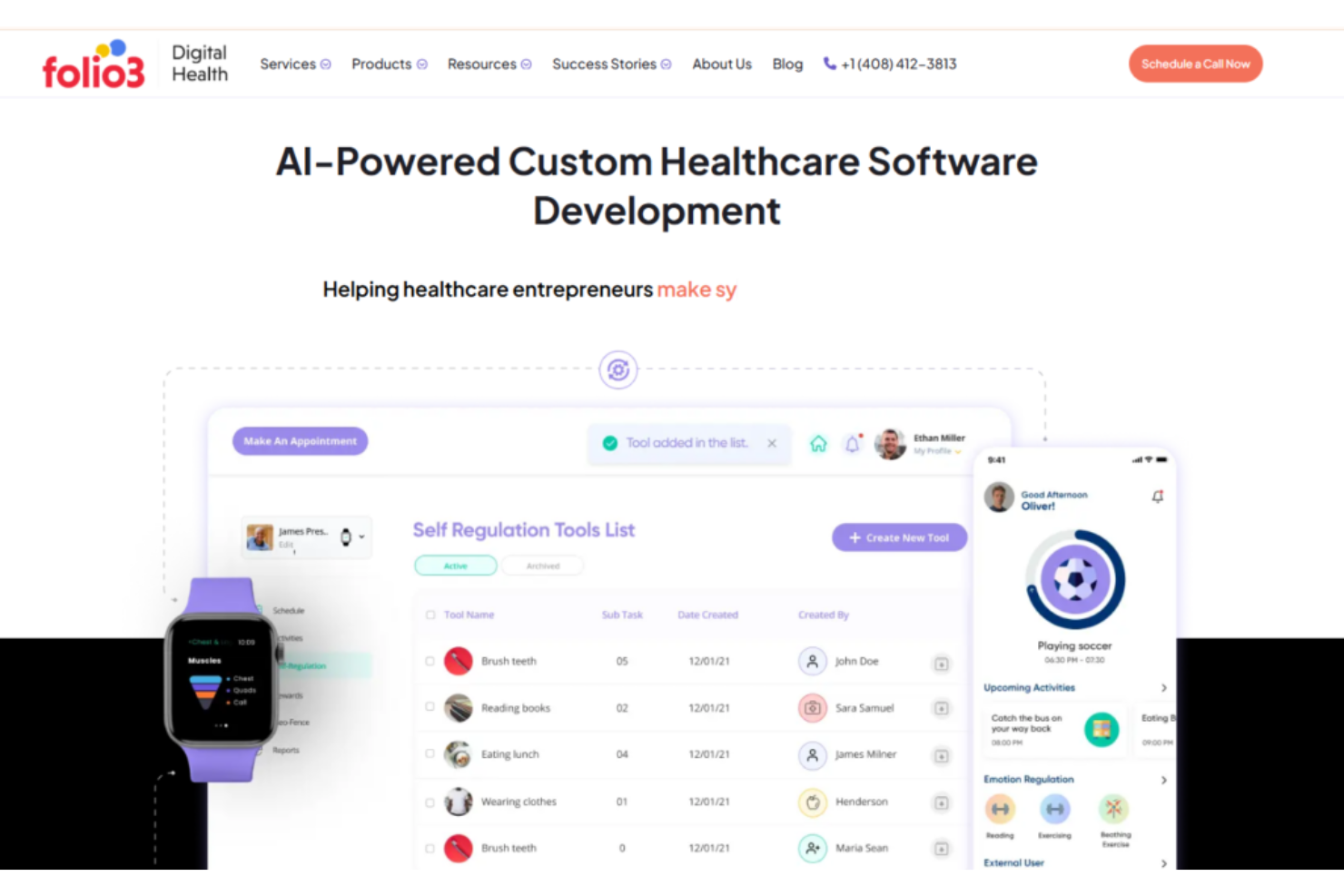
Folio3 Digital Health provides custom healthcare software development, focusing on telehealth platforms, medical billing, and interoperability solutions. They primarily serve healthcare providers, pharmaceutical companies, and medical device manufacturers.
Why I picked Folio3 Digital Health: They specialize in ensuring HIPAA compliance, which is critical for your team when handling sensitive patient data. Folio3 Digital Health's expertise in AI-driven applications and healthcare data analytics helps you enhance patient engagement and operational efficiency. Their solutions integrate seamlessly with existing systems, ensuring data security and regulatory adherence.
Standout Services: Folio3 Digital Health offers AI-powered applications that enhance diagnostic accuracy and patient care. They also provide healthcare data analytics, which help your team make informed decisions by extracting actionable insights from complex datasets.
Target industries: Healthcare providers, pharmaceutical companies, and medical device manufacturers.
Specialties: Telehealth platforms, medical billing, interoperability solutions, AI-driven applications, and healthcare data analytics.
Pros and Cons
Pros:
- Good fit for connected care and patient platforms
- Strong HIPAA and interoperability experience
- Dedicated healthcare and telehealth development focus
Cons:
- Custom healthcare builds may raise project costs
- Onboarding can move more slowly at the start


DataArt offers custom software development, IT consulting, and technology solutions tailored to a variety of industries. They primarily serve large enterprises and mid-sized businesses, focusing on improving operational efficiency and innovation through technology.
Why I picked DataArt: They provide global market reach, allowing your team to leverage their extensive network and expertise across different regions. DataArt excels in delivering scalable solutions that cater to diverse operational needs. Their focus on quality assurance and testing ensures that your applications perform reliably in any market.
Standout Services: DataArt offers cloud migration services, which help your team transition to cloud infrastructure, supporting scalability and flexibility. They also provide dedicated development teams, allowing you to scale your projects quickly without overextending your internal resources.
Target industries: Healthcare, finance, media, retail, and travel.
Specialties: Custom software development, IT consulting, cloud migration, quality assurance, and dedicated development teams.
Pros and Cons
Pros:
- Reliable QA and scalability for complex platforms
- Global delivery model supports distributed teams
- Strong engineering depth for large healthcare projects
Cons:
- Better suited to enterprise buyers than smaller practices
- Not a dedicated telemedicine development specialist

Geneca offers custom software development and IT consulting services, focusing on building innovative solutions for businesses. They primarily serve industries such as healthcare, finance, and logistics, providing tailored software that meets specific client needs.
Why I picked Geneca: They specialize in agile development, allowing your team to adapt quickly to changing requirements and deliver projects efficiently. Geneca provides a collaborative approach, ensuring your input shapes the final product. Their focus on custom solutions means your team gets software tailored to your unique business challenges.
Standout Services: Geneca offers business process automation, which helps your team improve efficiency by automating routine tasks and reducing manual effort. They also provide user experience design, ensuring that your applications are intuitive and meet the needs of your users effectively.
Target industries: Healthcare, finance, logistics, retail, and education.
Specialties: Custom software development, IT consulting, business process automation, user experience design, and agile development.
Pros and Cons
Pros:
- Good fit for teams that want hands-on partnership
- Strong custom development for operational workflows
- Collaborative agile process for evolving requirements
Cons:
- Limited visible telemedicine-specific case depth
- Not a dedicated telemedicine development specialist
Other Telemedicine App Development Companies
Here are some additional telemedicine app development companies that didn’t make it onto my shortlist, but are still worth checking out:
- TechMagic
For cross-platform apps
- Clarity Ventures
For scalable telehealth platforms
- Orangesoft
For innovative app designs


What Do Telemedicine App Development Companies Typically Offer?
Telemedicine app development companies are specialized firms that create digital solutions for delivering healthcare services remotely. They might offer things like:
- Custom telehealth platform development
- Mobile app design and development
- EHR integration services
- HIPAA compliance solutions
- Patient engagement tools
Healthcare providers, medical institutions, and startups typically seek out telemedicine app development companies to improve patient care and operational efficiency. These service providers help address challenges like enhancing remote consultation capabilities and ensuring data security.
Telemedicine App Development Company Selection Criteria
When selecting the best telemedicine app development companies to include in this list, I considered common business needs and pain points that these providers address. This included things like improving patient engagement and ensuring data security. I also used the following framework to keep my evaluation structured and fair:
Core Services (25% of total score)
To be considered for inclusion in this list, each provider had to offer these basic services:
- Telehealth platform development
- Mobile app development
- EHR integration
- HIPAA compliance solutions
- Patient management systems
Additional Standout Services (25% of total score)
To help further narrow down the competition, I also looked for unique or especially valuable services, such as:
- AI-driven analytics
- Virtual reality integration
- Blockchain for data security
- Custom API development
- Remote monitoring tools
Industry Experience (10% of total score)
To get a sense of the industry experience of each provider, I considered the following:
- Years in the healthcare sector
- Number of telemedicine projects completed
- Range of healthcare clients served
- Expertise in healthcare regulations
- Involvement in healthcare tech innovations
Onboarding (10% of total score)
To evaluate the onboarding experience for each provider, I considered the following:
- Speed of implementation
- Clarity of training materials
- Availability of onboarding specialists
- Customization options during setup
- User-friendly interface
Customer Support (10% of total score)
To assess the level of customer support each provider offers, I considered the following:
- Availability of 24/7 support
- Accessibility of support channels
- Responsiveness to inquiries
- Knowledgeability of support staff
- Feedback on support experience
Value For Price (10% of total score)
To evaluate the pricing and potential ROI of working with each provider, I considered the following:
- Transparency of pricing structure
- Competitiveness of pricing
- Flexibility of payment options
- ROI based on service quality
- Cost-effectiveness for small practices
Customer Reviews (10% of total score)
To get a sense of the overall satisfaction of existing customers, I considered the following when reading customer reviews:
- Overall satisfaction ratings
- Comments on reliability and uptime
- Feedback on service delivery
- Testimonials on user experience
- Critiques on pricing fairness
How to Choose a Telemedicine App Development Company
It’s easy to get bogged down in long lists of services and complex pricing structures. To help you prioritize the things that matter most for your business, keep the following factors in mind:
| Factor | What to Consider |
|---|---|
| Business Objectives | Ensure the provider aligns with your team's goals, like improving patient engagement or expanding telehealth capabilities. Choose a company that understands your specific industry needs. |
| Service Scope and SLAs | Look for clear service level agreements that define the scope of services, response times, and deliverables. This helps ensure your team knows what to expect and can hold the provider accountable. |
| Support Availability | Check if the provider offers 24/7 support and multiple channels for assistance, such as phone, email, and live chat. This is crucial for resolving issues quickly and maintaining service continuity. |
| Costs and Pricing Structure | Understand the pricing model, whether it's subscription-based, per project, or usage-based. Make sure there are no hidden fees and that the costs align with your budget and expected ROI. |
| Communication and Reporting | Evaluate how the provider communicates project updates and performance metrics. Regular reporting and transparent communication help your team stay informed and make necessary adjustments. |
| Customization Options | Determine if the provider can customize solutions to fit your unique workflows and requirements. Customization can be key to maximizing efficiency and user adoption. |
| Regulatory Compliance | Ensure the provider adheres to healthcare regulations like HIPAA. Compliance is essential for protecting patient data and avoiding legal issues. |
| Technology Expertise | Assess the provider's expertise in the latest technologies, such as AI and IoT, to ensure they can deliver innovative and effective solutions for your telemedicine needs. |
Key Telemedicine App Development Company Services
When evaluating telemedicine app development services, look for companies that can support the core features, integrations, and security requirements behind effective virtual care. The best partners do more than build an app. They help shape a roadmap for telehealth software that fits your care model, patient experience goals, and long-term growth plans
- Telehealth platform development: Build custom telemedicine app development projects around video consultations, secure video, secure messaging, appointment scheduling, and patient portals that support accessible virtual care
- Mobile app development: Create Android and mobile experiences that make it easier for patients and providers to connect, manage follow-ups, view treatment plans, and receive notifications
- EHR and EMR integration: Connect EHR integration and EMR integration capabilities with existing medical records systems so providers can access health data and health information more efficiently during care delivery
- HIPAA and GDPR compliance solutions: Support secure data handling, authentication, and privacy controls that help telehealth solutions meet HIPAA and GDPR expectations
- AI-driven analytics and dashboards: Use dashboards, chatbots, and AI-supported insights to help teams monitor usage trends, improve decision-making, and identify care gaps
- Remote patient monitoring tools: Build remote patient monitoring and RPM modules that connect with wearable devices to help clinicians track patient status between visits
- Custom API development: Support connections between telehealth software, payment gateways, scheduling tools, medical records systems, and other third-party healthcare platforms
- Patient engagement features: Add tools such as patient portals, notifications, secure messaging, and follow-up workflows that keep patients active in their treatment plans
- Advanced feature support: Depending on the provider, key features may also include e-prescriptions, video calls, custom modules for mental health workflows, and tools that support high-quality care delivery across specialties.
Benefits of Telemedicine App Development Companies
Partnering with a telemedicine app development company offers several benefits for your team and your business. Here are a few you can look forward to:
- Improved patient access: Telehealth platforms make it easier for patients to connect with healthcare providers from anywhere.
- Enhanced data security: Implementing HIPAA compliance solutions ensures patient data is protected and privacy is maintained.
- Increased operational efficiency: Integrating EHRs with telemedicine systems helps streamline workflows and reduce administrative tasks.
- Better decision-making: AI-driven analytics provide insights into patient data, supporting informed healthcare decisions.
- Cost savings: Remote monitoring tools can reduce the need for in-person visits, saving time and resources.
- Patient engagement: Features like patient engagement tools encourage active participation in health management, improving outcomes.
- Innovative treatment options: Virtual reality integration offers new ways to deliver care and train healthcare professionals.
Costs and Pricing Structures of Telemedicine App Development Companies
Telemedicine app development companies typically come at a custom price to accommodate various business needs, sizes, and circumstances. Providers generally work within one of the following pricing structures:
- Subscription-based: A recurring fee for ongoing access to services and updates.
- Project-based: A one-time fee based on the specific project scope and deliverables.
- Hourly rate: Charges are based on the number of hours worked by the development team.
- Scope of work (SOW): Pricing is determined by the detailed scope and complexity of the project.
- Retainer fee: A regular payment to reserve a provider's time and resources for ongoing work.
Key Factors That Influence Telemedicine App Development Company Pricing
Beyond the specific pricing model, here are some additional factors that can influence the cost of telemedicine app development companies:
- Customization level: More tailored solutions require additional development time and resources, increasing costs.
- Compliance requirements: Adhering to industry regulations like HIPAA can add to the complexity and expense of development.
- User base size: The number of users or patients accessing the platform can affect infrastructure needs and pricing.
- Integration needs: Connecting with existing systems like EHRs may require extra work, impacting the overall cost.
- Feature complexity: Advanced features like AI or VR integration can drive up development costs.
Being aware of these factors before you start seeking out custom quotes from providers helps you get a sense of what to expect and compare and contrast quotes more effectively.
Telemedicine App Development Company: FAQs
Here are some answers to common questions about telemedicine app development companies:
What should I expect during the development process?
Your team should expect an initial consultation to discuss your requirements and goals. The development company will typically create a project plan, including timelines and milestones. Regular updates and feedback sessions will help ensure the project stays on track. Be prepared to collaborate closely to achieve the best results.
How long does it take to develop a telemedicine app?
The timeline can vary significantly depending on the complexity of your project and the features you need. A basic app might take a few months, while more complex solutions could take longer. Discuss timeframes with potential providers to get a realistic estimate based on your specific requirements.
How do telemedicine app development companies ensure data security?
Reputable companies follow strict security protocols to protect patient data. They should comply with regulations like HIPAA and use encryption and secure servers to safeguard information. Ask potential providers about their security measures and how they handle data protection to ensure your compliance needs are met.
Can telemedicine apps integrate with existing healthcare systems?
Yes, most telemedicine apps can be integrated with existing systems like EHRs to provide a cohesive experience. Discuss your integration needs with potential providers to ensure they have the expertise to connect with your current systems. This can improve data flow and enhance the overall functionality of your app.
What’s Next?
To stay updated on the latest trends, best practices, and solutions related to your medical practice, subscribe to The Medical Practice newsletter.