

Why Trust Our Software Recommendations
6,700+
Reviews
20
Industry experts
16+
Evaluation factors
14
Years reviewing software
Our team has been testing and reviewing software since 2012. As medical practice leaders ourselves, we know how difficult—and important—it is to choose the right software.
For this guide, we evaluated tools using hands-on testing and independent research, scoring tools using our selection criteria.
Our reviews reflect our human editorial judgment, not a sales pitch.
Comparison Table: Healthcare Software Development Companies
Compare details, side by side, for the healthcare software development companies that made it onto my shortlist.
Score legend (out of 5)
- Excellent4.5–5
- Good4–4.4
- Average3–3.9
- Below average2–2.9
- Poor1–1.9
Sorted by: Default
| Service | Starting Price | Website | |||||||
|---|---|---|---|---|---|---|---|---|---|
Best for FDA-class medical device software builds | 4.3 out of 5 | 4 | 5 | 4 | 4 | 5 | 4 | Pricing upon request Not available | Website |
Best for connecting apps to multiple EHR systems | 4.2 out of 5 | 4 | 4 | 5 | 4 | 5 | 3 | Pricing upon request Not available | Website |
Best for RPM and telehealth product builds | 4.2 out of 5 | 4 | 4 | 4 | 4 | 5 | 4 | Pricing upon request Free consultation available | Website |
Best for AI-driven digital health product builds | 4.0 out of 5 | 4 | 4 | 4 | 4 | 5 | 3 | Pricing upon request Not available | Website |
Best for behavioral health and EHR integration builds | 4.0 out of 5 | 4 | 3 | 4 | 5 | 5 | 3 | Pricing upon request Not available | Website |
Best for medical device and SaMD regulatory filings | 4.8 out of 5 | 5 | 5 | 5 | 4 | 5 | 5 | Pricing upon request Free demo available | Website |
Best for AI-powered clinical app builds at scale | 3.8 out of 5 | 4 | 4 | 4 | 3 | 5 | 3 | Pricing upon request Not available | Website |
Best for MedTech and SaMD regulatory builds | 4.5 out of 5 | 4 | 4 | 5 | 4 | 5 | 5 | Pricing upon request Not available | Website |
Best for FDA-cleared and EHR-integrated builds | 4.0 out of 5 | 4 | 4 | 4 | 3 | 5 | 4 | Pricing upon request Not available | Website |
Best for hospital EHR and FHIR integration builds | 3.8 out of 5 | 3 | 3 | 4 | 4 | 5 | 4 | Pricing upon request Not available | Website |


Healthcare Software Development Company Reviews
Below are my detailed summaries of the best healthcare software development companies that made it onto my shortlist. My reviews offer a detailed look at the capabilities, EHR integrations, and compliance strengths of each vendor to help you find the best one for you.
 Best for FDA-class medical device software builds
- Not available
- Pricing upon request
Visit WebsiteCustomer Rating:4.8/5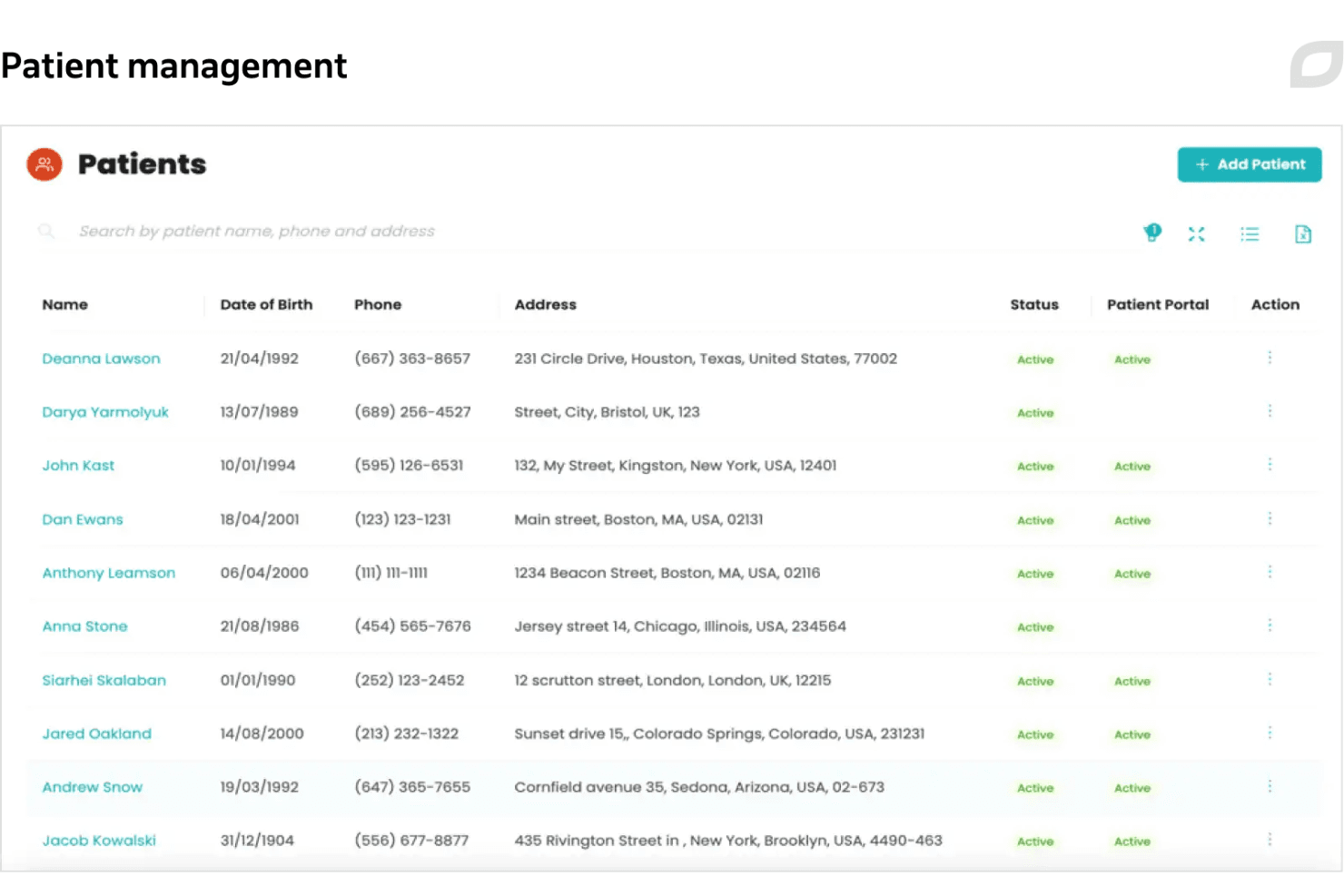
Itransition's healthcare platform features a searchable patient list. Itransition is a healthcare software development company that delivers custom clinical, administrative, and operational solutions—spanning EHR/EMR systems, medical device software, telehealth platforms, and health data integration.
Who Is Itransition Best For?
Itransition is a strong fit for medical device manufacturers and health tech companies that need custom software built to meet FDA regulatory standards.
Why I Picked Itransition
I picked Itransition because it's one of the few development partners that takes FDA regulatory requirements seriously from day one. Their teams build software under IEC 62304 lifecycle standards and support the full design controls process required for FDA 510(k) or De Novo submissions. I've seen device manufacturers lose months to rework when compliance is bolted on late, and Itransition's approach of embedding regulatory structure into the development process directly addresses that.
Itransition Key Features
- HL7/FHIR integration: Connects EHRs, labs, pharmacy, and billing systems using standardized healthcare data protocols.
- HIPAA-compliant architecture: Applies encryption, access controls, and audit logging across the development lifecycle to protect PHI.
- Legacy system modernization: Migrates outdated hospital and practice-management systems to cloud-native platforms without disrupting care delivery.
- Clinical QA and validation testing: Runs structured testing cycles, including security and regulatory validation, before deployment.
Pros and Cons
Pros:
- Experienced across EHR, telehealth, and device software
- Strong clinical QA and validation testing process
- Builds to IEC 62304 and FDA regulatory standards
Cons:
- Project timelines can run long for complex builds
- No fixed pricing or transparent cost structure
Learn more about Itransition: Best for connecting apps to multiple EHR systems
- Not available
- Pricing upon request
Visit WebsiteCustomer Rating:5/5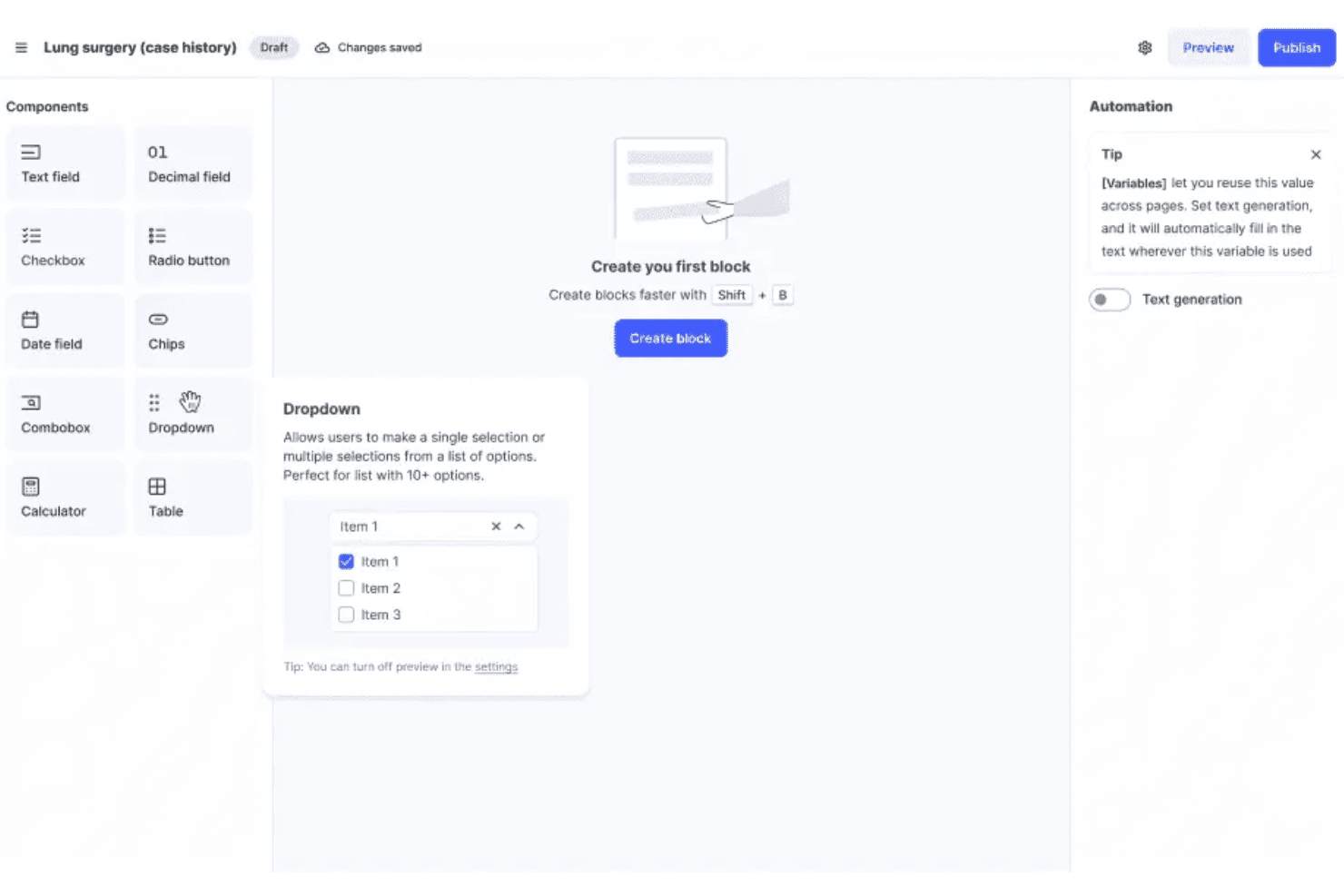
TechMagic's Tiro.Health project features a configurable medical form builder. TechMagic is a healthcare software development company that specializes in building custom clinical and patient-facing applications, with a focus on EHR integration, telemedicine platforms, and health data interoperability.
Who Is TechMagic Best For?
TechMagic is a strong fit for healthcare organizations that need custom software built to integrate with multiple EHR systems across complex or fragmented infrastructure.
Why I Picked TechMagic
TechMagic earns its spot on my shortlist because of how it handles multi-EHR connectivity, which is one of the hardest problems to solve in healthcare software. I've seen projects stall for months trying to reconcile HL7 FHIR and legacy HL7 v2 feeds across different hospital systems, and TechMagic builds with both standards in mind from the start. Their teams also work across Epic, Cerner, and Allscripts environments, so there's no ramp-up time spent reverse-engineering EHR-specific APIs.
TechMagic Key Features
- HIPAA-compliant architecture: Builds secure, access-controlled systems with audit logging to protect PHI throughout development.
- Dedicated engineering teams: Assigns named, healthcare-focused developers rather than rotating contractors for continuity across projects.
- Cloud-native deployment: Supports AWS, Azure, and Google Cloud environments with HIPAA-eligible hosting configurations.
- QA and validation testing: Runs structured security, functional, and compliance testing before releasing clinical software.
Pros and Cons
Pros:
- Dedicated teams stay consistent across the project
- Builds with HL7 FHIR and legacy HL7 v2
- Experienced across Epic, Cerner, and Allscripts environments
Cons:
- Limited capacity for large enterprise projects
- No fixed pricing or public rate transparency
Learn more about TechMagic: Best for RPM and telehealth product builds
- Free consultation available
- Pricing upon request
Visit WebsiteCustomer Rating:5/5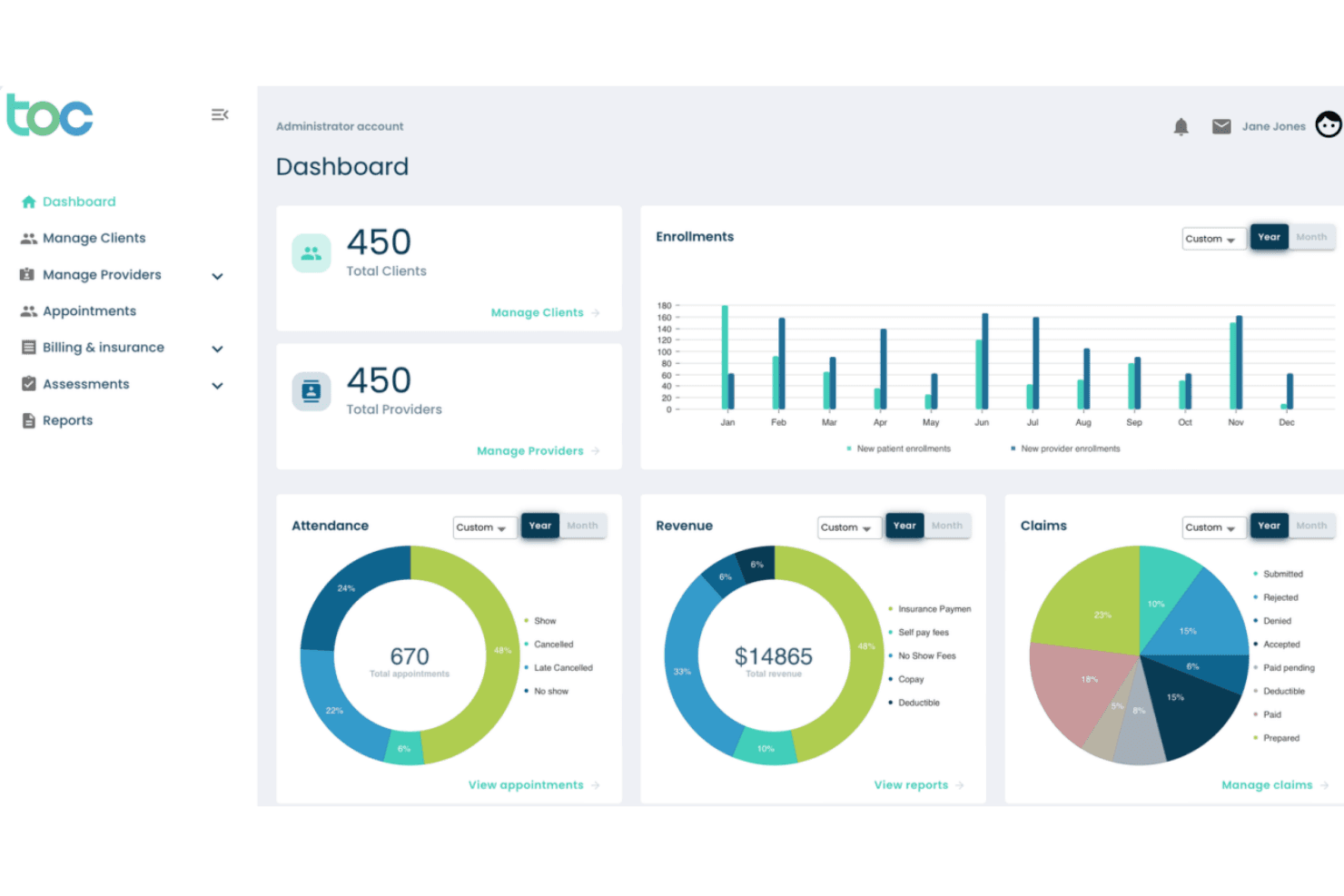
Empeek's healthcare CRM supports patient and provider management. Empeek is a custom healthcare software development company specializing in building telehealth platforms, remote patient monitoring systems, EHR integrations, and health data solutions for digital health startups and medical organizations.
Who Is Empeek Best For?
Empeek is a strong fit for digital health startups and medical organizations that need a development partner to build RPM or telehealth platforms from the ground up.
Why I Picked Empeek
I picked Empeek because it's one of the few development partners that specializes specifically in RPM and telehealth builds rather than treating them as one service among many. I've seen their work span device integration for continuous vitals monitoring and HIPAA-compliant video consultation platforms built to clinical workflow specs. Their focus on HL7/FHIR-based EHR connectivity means RPM data flows directly into existing clinical records without manual reconciliation.
Empeek Key Features
- HL7/FHIR integration: Connects new builds with EHRs, labs, pharmacies, and billing systems for data exchange.
- HIPAA compliance audits: Reviews architecture, access controls, and data flows against HIPAA requirements before launch.
- Dedicated engineering pods: Assigns named developers, QA engineers, and business analysts to each client engagement.
- Clinical validation testing: Runs structured QA cycles that include compliance and safety checks for patient-facing tools.
Pros and Cons
Pros:
- Strong delivery record with clinical-grade QA cycles
- Competitive rates compared with US firm
- Deep focus on RPM and telehealth builds specifically
Cons:
- Limited advanced AI and ML capabilities
- Limited capacity for large-scale projects
Learn more about Empeek: Best for AI-driven digital health product builds
- Not available
- Pricing upon request
Visit WebsiteCustomer Rating:4.9/5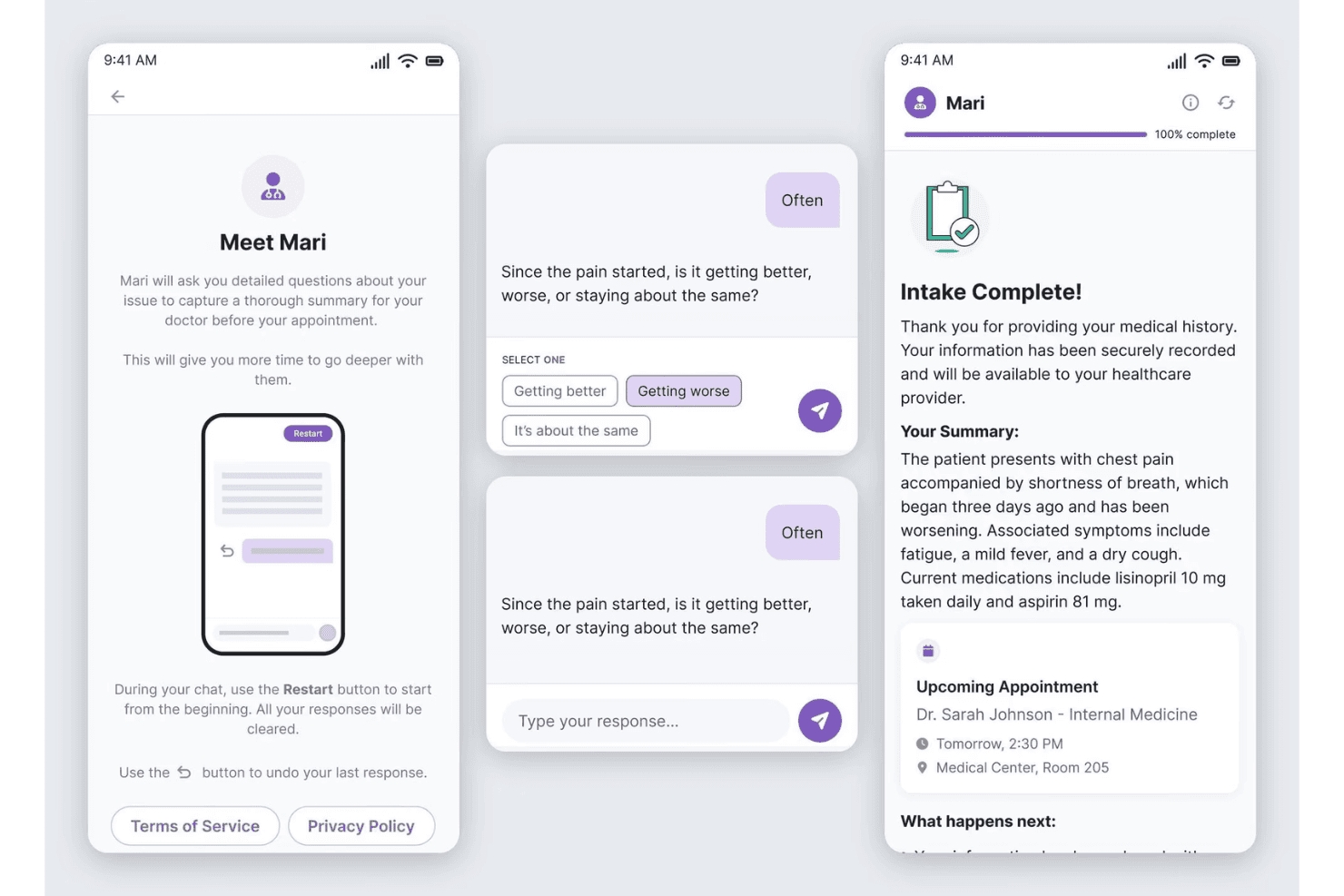
Topflight Apps builds AI intake chatbots that summarize patient symptoms for doctors. Topflight Apps is a healthcare software development company specializing in AI-powered mobile and web app design and development, including EHR integrations, telemedicine platforms, and FDA-regulated digital health products.
Who Is Topflight Apps Best For?
Topflight Apps is a strong fit for digital health startups and healthcare organizations that need a development partner to build AI-powered, FDA-compliant mobile or web products from the ground up.
Why I Picked Topflight Apps
I picked Topflight Apps because it's purpose-built for exactly the kind of high-stakes digital health development that most generalist agencies can't handle. I'm especially drawn to its AI-driven product work, including LLM-powered clinical decision support tools and computer vision features built directly into mobile health apps. Its experience with FDA Software as a Medical Device (SaMD) submissions and EHR integration frameworks means your product is built for real regulatory scrutiny from day one.
Topflight Apps Key Features
- HIPAA-compliant architecture: Builds secure data pipelines with encryption, access controls, and audit logging baked into every release.
- HL7/FHIR integration: Connects custom apps to EHRs, labs, and pharmacy systems using standard healthcare data protocols.
- Dedicated engineering pods: Assigns named teams, including healthcare-savvy developers, rather than rotating contractors.
- Post-launch maintenance plans: Provides ongoing updates, security patching, and bug fixes after your product goes live.
Pros and Cons
Pros:
- Dedicated teams with healthcare domain knowledge
- Builds AI features into clinical mobile apps
- Proven FDA SaMD submission experience
Cons:
- Limited transparency on timelines upfront
- Not suited for large enterprise engagements
Learn more about Topflight Apps: Best for behavioral health and EHR integration builds
- Not available
- Pricing upon request
Visit WebsiteCustomer Rating:4.9/5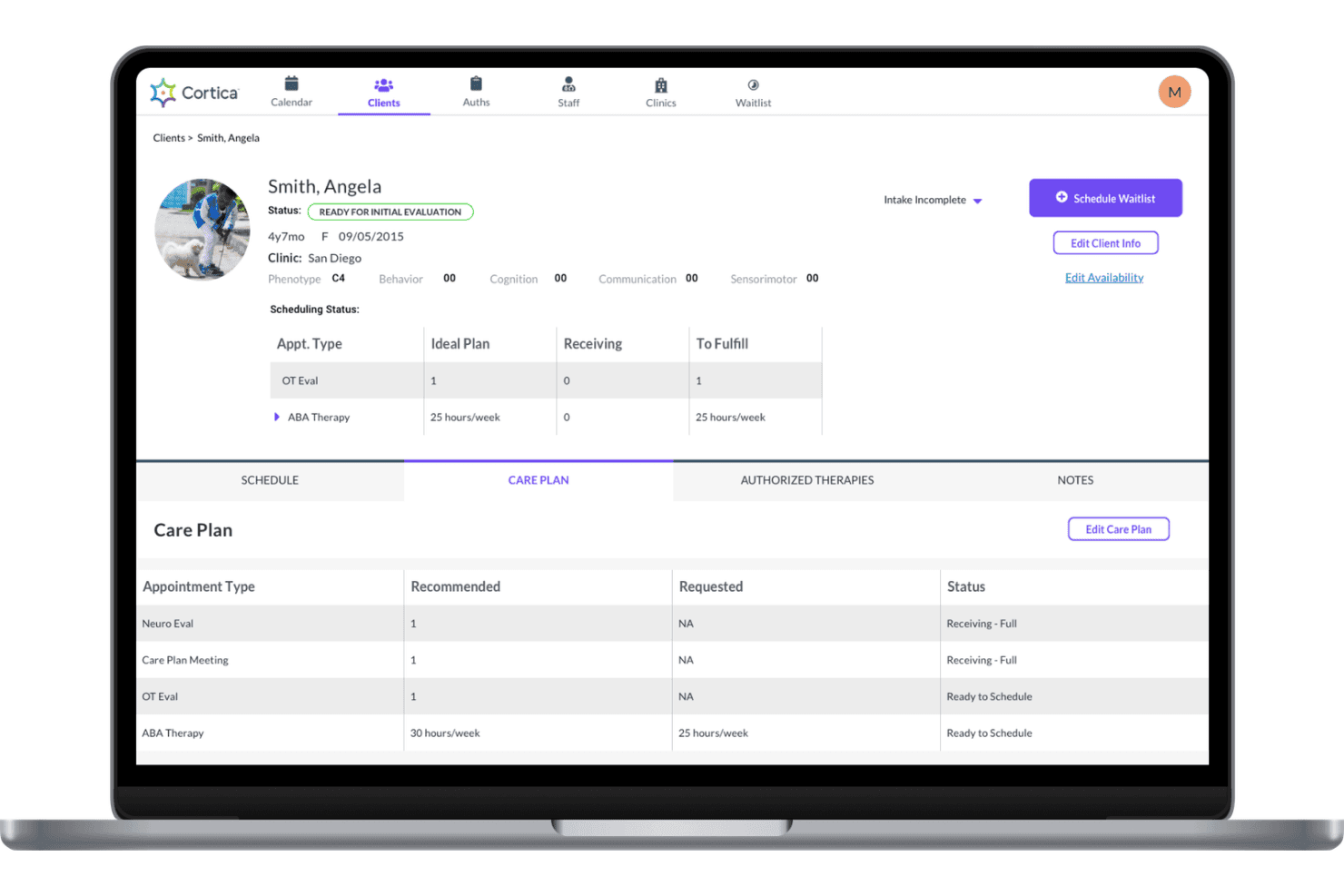
Sidebench's Cortica app features client care plans and scheduling status. Sidebench is a healthcare software development company specializing in custom mobile and web application builds, EHR integrations, and digital health product design for clinical and behavioral health organizations.
Who Is Sidebench Best For?
Sidebench is a strong fit for behavioral health organizations and clinical teams that need custom-built digital tools with deep EHR integration.
Why I Picked Sidebench
I picked Sidebench because it's purpose-built for the kind of work behavioral health organizations actually struggle with: connecting clinical workflows to EHR systems without losing data fidelity or care context. I've seen their approach to HL7 FHIR-compliant integrations and custom patient engagement apps hold up well in complex care settings. Their focus on native mobile builds for behavioral health means clinicians get tools shaped around real documentation needs, not generic templates.
Sidebench Key Features
- Custom clinical app development: Builds bespoke patient engagement and provider-facing applications tailored to specific care workflows.
- HIPAA-compliant architecture: Designs software with secure data handling, access controls, and audit logging built into the development process.
- Cross-platform mobile engineering: Delivers native iOS and Android builds alongside web applications for clinical and administrative teams.
- Product strategy and UX research: Conducts discovery and design work to align digital health tools with real clinician and patient needs.
Pros and Cons
Pros:
- Native mobile apps built for clinical use
- Deep experience with FHIR-compliant EHR builds
- Strong focus on behavioral health workflows
Cons:
- No off-the-shelf product to pilot quickly
- Not suited for small or early-stage teams
Learn more about Sidebench: Best for medical device and SaMD regulatory filings
- Free demo available
- Pricing upon request
Visit WebsiteCustomer Rating:4.8/5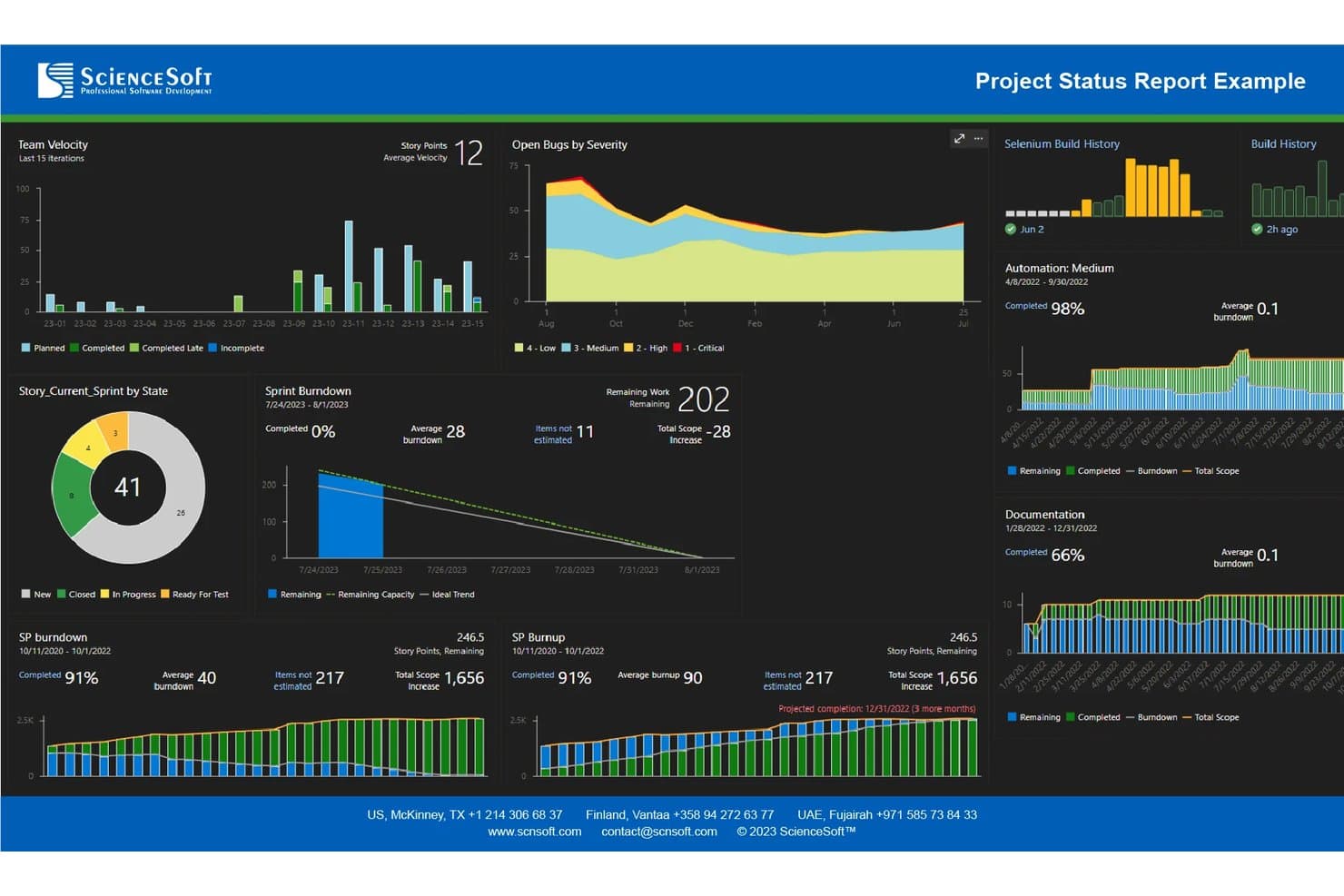
ScienceSoft's project status dashboard tracks velocity, bugs, and burndown. ScienceSoft is a custom healthcare software development company that specializes in building clinical, administrative, and medical device software—including EHR systems, patient portals, telehealth platforms, and FDA/CE-regulated SaMD solutions.
Who Is ScienceSoft Best For?
ScienceSoft is a strong fit for healthcare organizations that need custom-built software with built-in FDA or CE regulatory compliance support.
Why I Picked ScienceSoft
I picked ScienceSoft because it's one of the few development partners that handles FDA 510(k) submissions and CE marking as part of the build process, not as an afterthought. Their teams work within IEC 62304 software lifecycle standards and produce the design history documentation regulators actually require. I've seen organizations lose months to compliance gaps late in development, and ScienceSoft's built-in regulatory engineering prevents that.
ScienceSoft Key Features
- HL7/FHIR integration: Connects custom builds with EHRs, labs, pharmacies, and billing systems using standard protocols.
- HIPAA-compliant architecture: Implements encryption, access controls, and audit logging across the full development lifecycle.
- Dedicated healthcare delivery teams: Staffs projects with engineers and clinical consultants familiar with healthcare workflows.
- Structured QA and validation testing: Runs security, functional, and compliance testing before deployment.
Pros and Cons
Pros:
- Deep clinical workflow knowledge across specialties
- IEC 62304-compliant software lifecycle documentation included
- Handles FDA 510(k) and CE marking in-house
Cons:
- Longer onboarding than ready-made software
- Project-based costs vary by scope
Learn more about ScienceSoft: Best for AI-powered clinical app builds at scale
- Not available
- Pricing upon request
Visit WebsiteCustomer Rating:3.5/5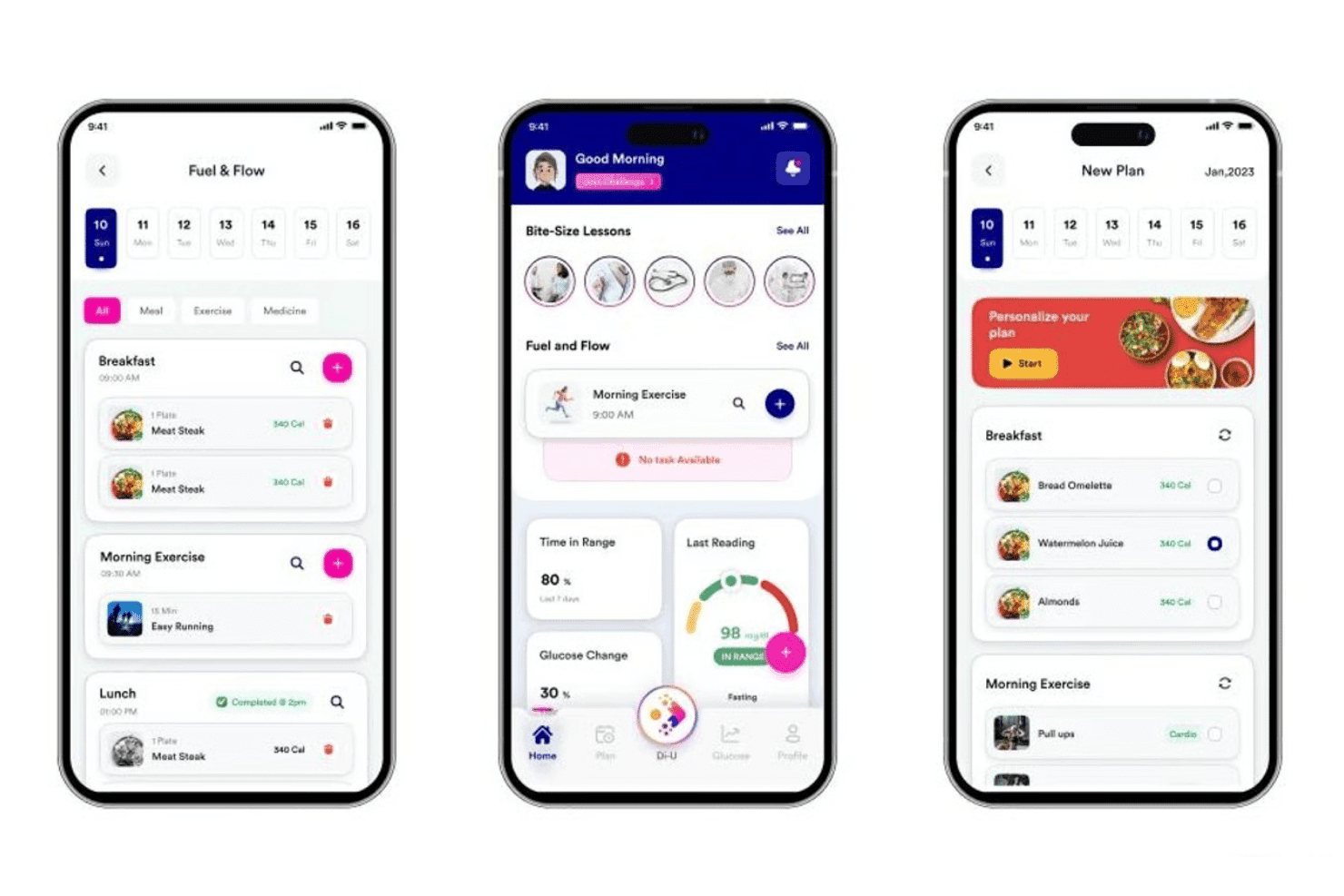
Appinventiv's diabetes app tracks meals, exercise, and glucose levels. Appinventiv is a healthcare software development company specializing in custom telemedicine app development, AI integration, clinical workflow tools, and end-to-end mobile and web app builds for healthcare organizations.
Who Is Appinventiv Best For?
Appinventiv is a strong fit for mid-to-large healthcare organizations that need a custom-built telemedicine platform with AI capabilities, rather than an off-the-shelf solution.
Why I Picked Appinventiv
I picked Appinventiv because it's one of the few development partners that builds AI directly into the clinical layer of a telemedicine app, not just as an add-on. I'm particularly drawn to its NLP-driven symptom assessment features and AI-powered diagnostic support tools, which can reduce the documentation burden on clinicians during virtual visits. Its end-to-end build model also means your team gets architecture decisions, compliance frameworks, and deployment support under one roof.
Appinventiv Key Features
- HIPAA-compliant architecture: Builds secure data handling, access controls, and audit trails into every telemedicine project from day one.
- HL7/FHIR integration: Connects telemedicine apps with EHRs, labs, and pharmacy systems for consistent data exchange.
- Remote patient monitoring modules: Develops wearable and device-integrated features that let clinicians track patient vitals in real time.
- Post-launch maintenance support: Provides ongoing updates, bug fixes, and performance monitoring after deployment.
Pros and Cons
Pros:
- End-to-end coverage from architecture to deployment
- Large team scales fast for enterprise builds
- Builds AI natively into clinical workflows
Cons:
- Timezone gaps slow client feedback cycles
- Quality can vary across project teams
Learn more about Appinventiv: Best for MedTech and SaMD regulatory builds
- Not available
- Pricing upon request
Visit WebsiteCustomer Rating:4.5/5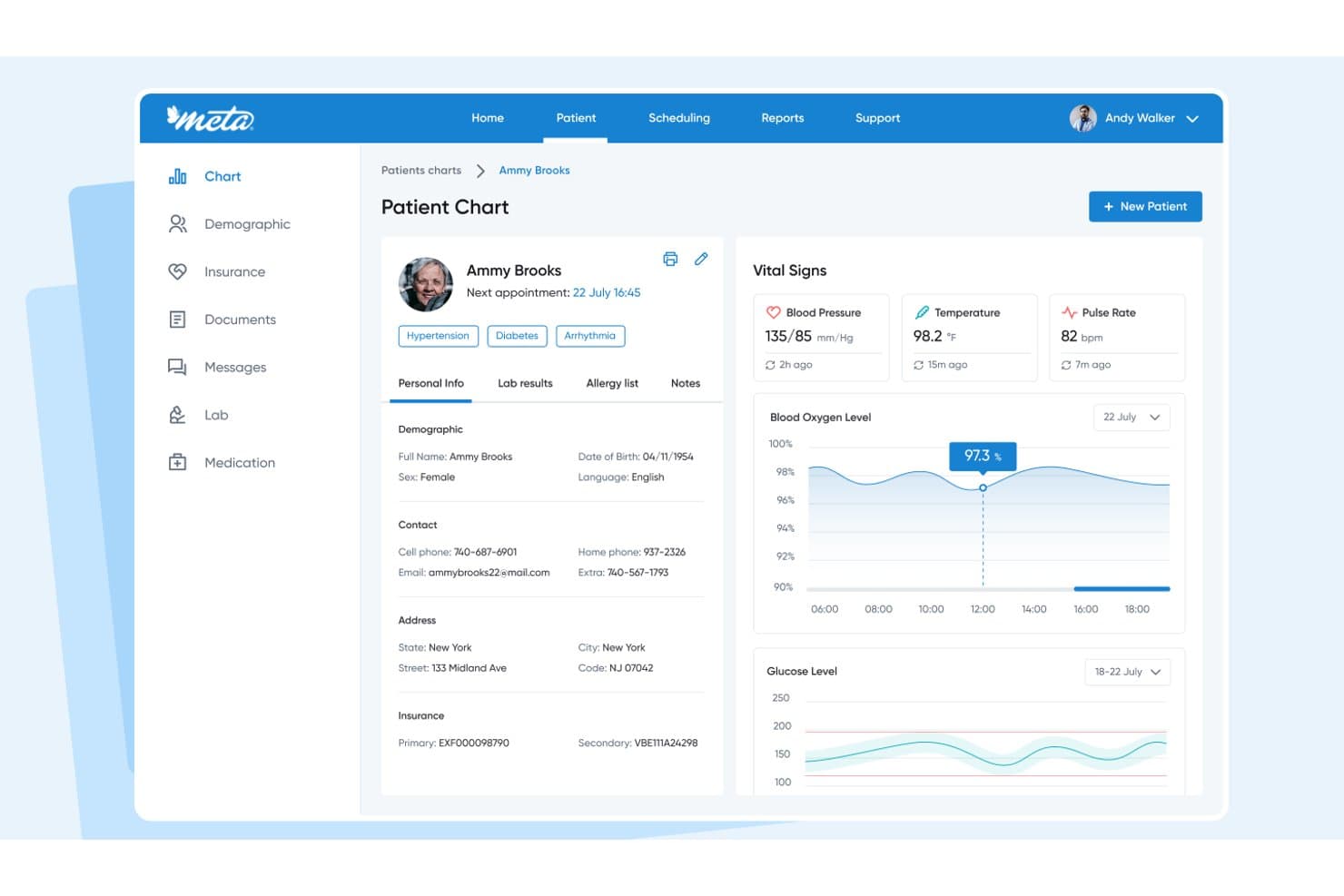
This EHR dashboard displays patient charts, vitals, and health data. Andersen Lab is a healthcare software development company specializing in MedTech, SaMD, and digital health solutions, offering services across custom software engineering, regulatory compliance support, systems integration, and clinical-grade product development.
Who Is Andersen Lab Best For?
Andersen Lab is a strong fit for MedTech companies and digital health teams building Software as a Medical Device (SaMD) products that need to meet FDA, MDR, or IEC 62304 compliance standards.
Why I Picked Andersen Lab
I picked Andersen Lab because it's purpose-built for MedTech and SaMD development, with deep specialization in IEC 62304 lifecycle documentation and FDA/MDR regulatory submissions. I've seen teams get burned by generalist dev shops that treat compliance as an afterthought. Andersen Lab builds regulatory traceability directly into the development process, mapping software requirements to risk controls and verification evidence as the product takes shape.
Andersen Lab Key Features
- HL7/FHIR integration: Connects new builds with EHRs, labs, and pharmacy systems using standard healthcare data protocols.
- HIPAA-compliant architecture: Applies encryption, access controls, and audit logging throughout the development lifecycle.
- Clinical validation testing: Runs structured QA cycles that include regulatory and safety checks for clinical software.
- Legacy system modernization: Migrates outdated hospital and practice-management platforms to cloud-native infrastructure.
Pros and Cons
Pros:
- Strong clinical validation and safety testing
- Regulatory traceability built into development
- Deep SaMD lifecycle and IEC 62304 expertise
Cons:
- Limited presence outside enterprise-scale engagements
- No fixed pricing or transparent cost structure
Learn more about Andersen Lab: Best for FDA-cleared and EHR-integrated builds
- Not available
- Pricing upon request
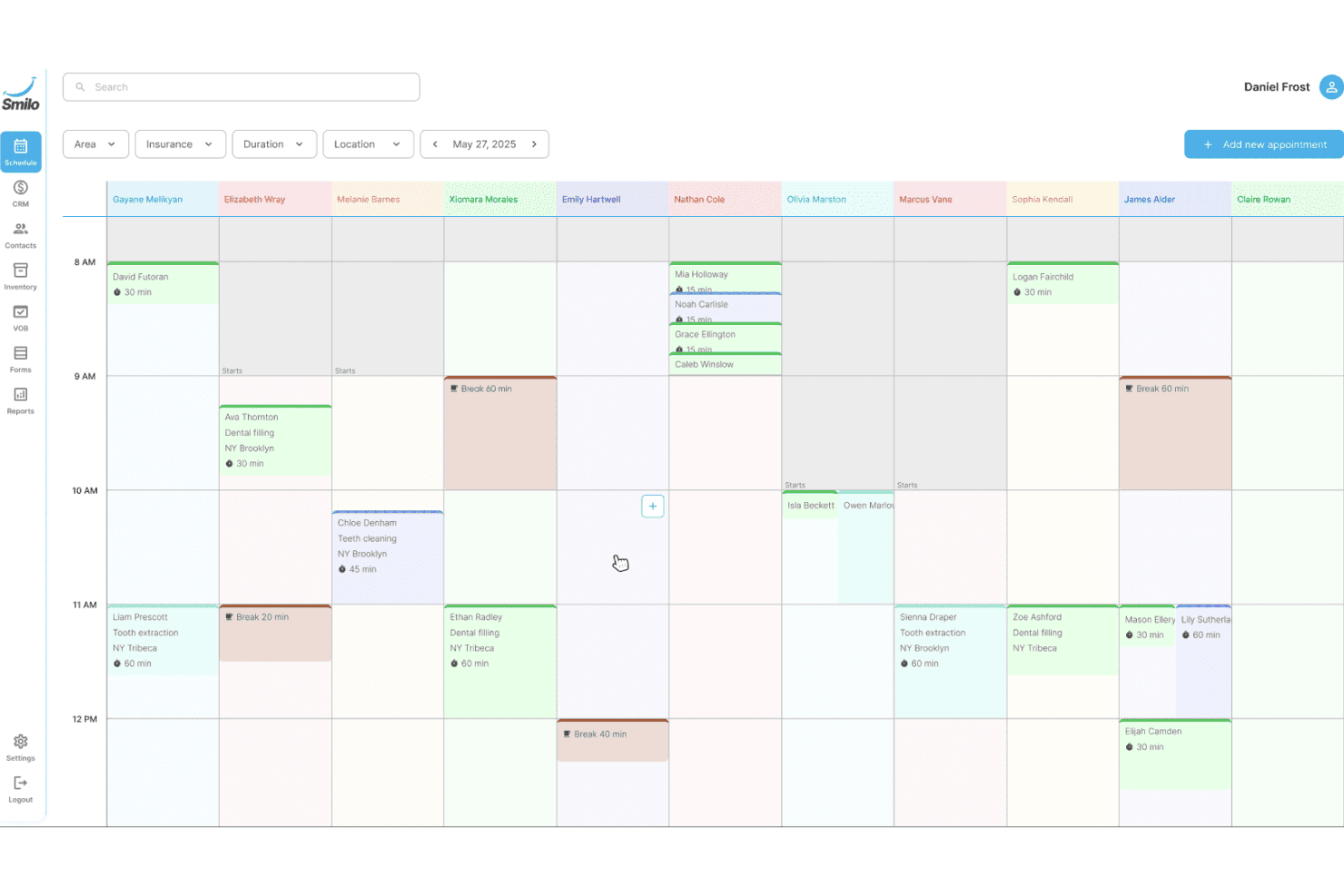
Innowise's Smilio project features dental appointment scheduling and patient bookings. Innowise is a healthcare software development company that builds custom clinical and administrative solutions, including EHR systems, telemedicine platforms, medical device software, and patient-facing applications.
Who Is Innowise Best For?
Innowise is a strong fit for healthcare organizations that need custom-built software designed to meet FDA requirements or integrate with existing EHR infrastructure.
Why I Picked Innowise
I picked Innowise because it brings real depth to two areas that trip up most custom healthcare builds: FDA compliance and EHR integration. Their teams work directly within established frameworks like 21 CFR Part 11 and IEC 62304, which means medical device software and clinical tools can move through regulatory review without the usual back-and-forth. I also like that they build HL7 FHIR and DICOM compatibility into projects from the start, not as an afterthought.
Innowise Key Features
- Telemedicine platforms: Builds video consultation and remote care tools with scheduling and e-prescribing capabilities.
- Legacy system modernization: Migrates outdated hospital and practice-management systems to cloud-native architectures.
- Dedicated healthcare teams: Staffs projects with engineers experienced in clinical workflows and medical terminology.
- QA and validation testing: Runs structured testing cycles covering security, functionality, and regulatory validation.
Pros and Cons
Pros:
- Proven EHR integration across 30+ clinical systems
- Rapidly scales teams for complex healthcare builds
- ISO 13485 and HIPAA certifications already in place
Cons:
- Less suited for AI-driven clinical innovation
- Some clients report language and cultural barriers
Learn more about Innowise: Best for hospital EHR and FHIR integration builds
- Not available
- Pricing upon request
Visit WebsiteCustomer Rating:4.8/5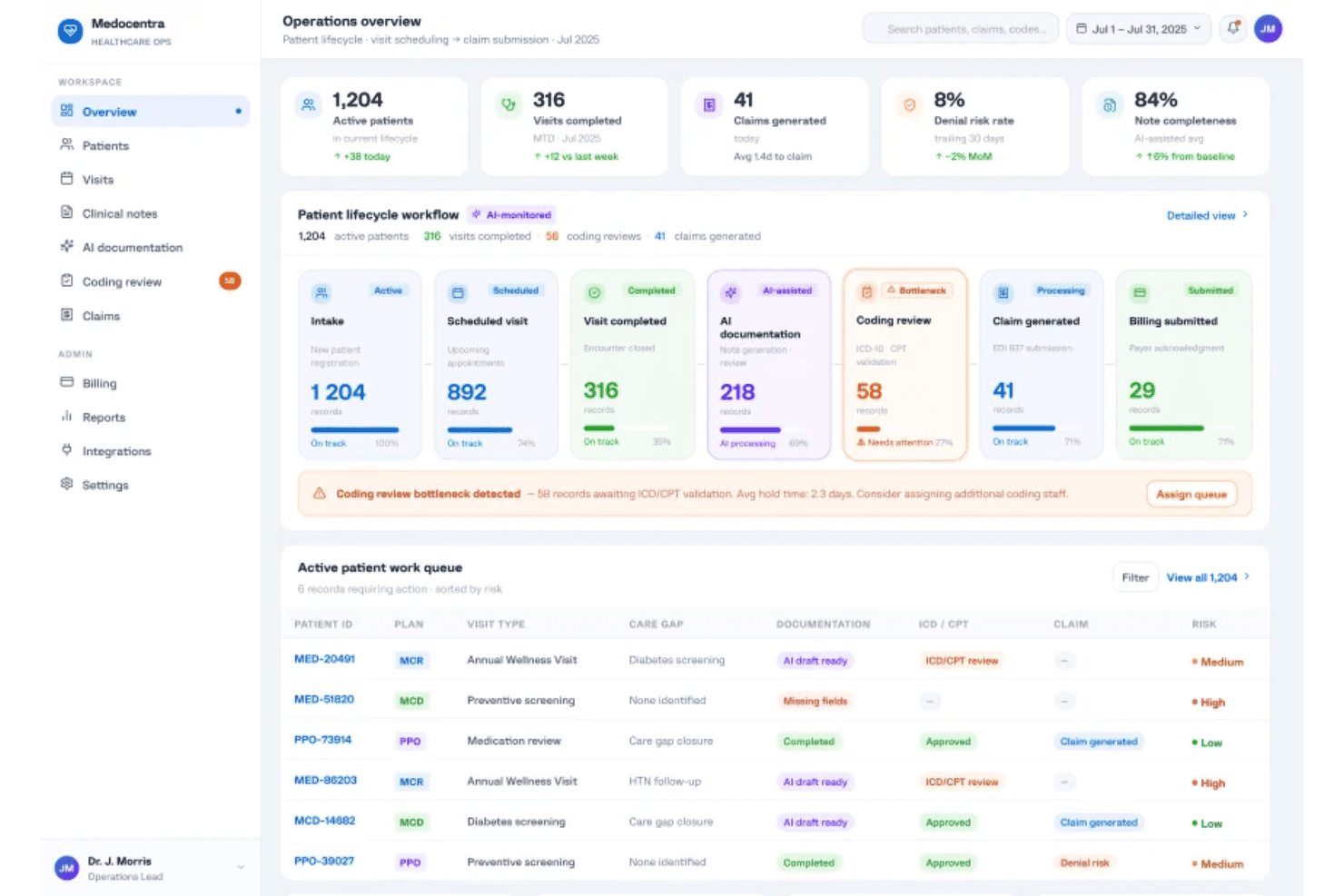
Computools builds healthcare ops dashboards tracking patient lifecycle and claims. Computools is a healthcare software development company that specializes in custom clinical application builds, EHR system development, FHIR-compliant API integrations, and health data interoperability solutions.
Who Is Computools Best For?
Computools is a strong fit for hospitals and health systems that need custom EHR builds or FHIR-compliant API integrations developed from the ground up.
Why I Picked Computools
I picked Computools as one of the best because it's purpose-built for exactly what hospital IT teams struggle with most: custom EHR development and FHIR-compliant API integration. I've seen how their HL7 FHIR-based data exchange work connects disparate clinical systems without forcing hospitals into off-the-shelf constraints. Their experience building interoperability layers between EHRs, lab systems, and patient portals is what sets them apart from general-purpose dev shops.
Computools Key Features
- HIPAA compliance audits: Reviews existing systems and workflows to identify PHI security gaps before development begins.
- Dedicated delivery teams: Assigns named engineers and project managers to each engagement instead of rotating staff.
- Legacy system modernization: Migrates outdated hospital and practice-management platforms to cloud-native architectures.
- QA and validation testing: Runs structured testing cycles covering functional, security, and compliance checks before launch.
Pros and Cons
Pros:
- Dedicated team model reduces handoff friction
- Custom EHR builds tailored to hospital workflows
- Strong FHIR and HL7 interoperability expertise
Cons:
- Engagement timelines can run longer than expected
- No off-the-shelf product for faster deployment
Learn more about Computools:
Other Healthcare Software Development Companies
Some additional options that didn’t make it onto my shortlist, but are still worth checking out:
- 11MindbowserBest for EHR interoperability and FHIR builds
- 12OSPLabsBest for EHR integration across legacy systems
- 13ITRex GroupBest for AI-powered digital health builds
- 14ELEKSBest for HITRUST-certified EHR and telehealth builds
- 15Glorium TechnologiesBest for DME and HME software built over years
- 16SumatoSoftBest for connected-device and AI-driven health apps
- 17Kanda SoftwareBest for lab and hospital legacy modernization
How I Evaluate Healthcare Software Development Companies
I split my evaluation into baseline compliance and engineering requirements every firm must meet, and the differentiators—like FHIR depth, clinical domain knowledge, and post-launch support—that set the best apart.
Core Service Offerings (Table Stakes For This List)
When I'm selecting providers for my list, I rank each one on a scale from 0 (does not offer the service) to 5 (excels in this area) for each core service listed below. I then calculate the provider's total score into a percentage, using 60% as a benchmark to help assess its overall fit for the list.
- HIPAA-Compliant Development: I look for documented practices like encryption, access controls, audit trails, and BAAs—not just a compliance logo on the homepage.
- Custom Healthcare Software Engineering: Each provider should show named builds like patient portals, clinical apps, or scheduling tools—not just configuration work.
- Healthcare Systems Integration: I evaluate how a provider connects EHRs, labs, and billing systems using HL7 or FHIR, including real integration case studies.
- Clinical Domain Expertise: Staff with clinical or healthcare operations backgrounds should inform product design, visible in workflow-aware case studies.
- Ongoing Support & Maintenance: Post-launch plans matter. I check for structured maintenance terms, security patching, and uptime monitoring commitments.
- QA & Validation Testing: Providers should run healthcare-specific validation testing, not just functional QA, to catch safety and compliance gaps before launch.
Once I have a list of providers that meet the criteria, I consider what sets each one apart from the rest.
Differentiating Factors (What Sets Providers Apart)
Here's how I compare and contrast different providers:
Standout Services
I look for vendors with real regulatory submission support—firms that walk you through FDA SaMD classification or de novo filings, not just build to spec and hand it off. AI-driven clinical tools also matter; I evaluate whether a vendor can ship features like predictive analytics or clinical decision support that actually fit into a provider's workflow. A dedicated clinical advisory board rounds out my list, because clinicians reviewing design decisions throughout a build catch workflow gaps that engineers alone will miss.
Beyond Core Offerings
I check whether a vendor staffs dedicated, named teams with healthcare-specific roles like clinical informaticists—not rotating contractors who lose project context between sprints. Deployment flexibility matters too; a growing multi-site practice needs a partner comfortable with cloud, on-premise, or hybrid hosting that scales as you add locations. I also evaluate specialty alignment by reviewing portfolio work with practices similar in size and type to mine, since a vendor familiar with behavioral health billing codes works very differently from one built around radiology workflows.
What Is a Healthcare Software Development Company?
A healthcare software development company builds and integrates custom clinical software—patient portals, EHR connections, telehealth platforms, and regulatory-compliant medical device applications—for practices and health systems. These firms combine engineering with clinical domain knowledge to handle HIPAA compliance, HL7 or FHIR interoperability, and FDA requirements where relevant. For a practice owner, the right partner means software that fits existing workflows, keeps patient data secure, and scales as your clinic adds providers, services, or locations.
How to Choose a Healthcare Software Development Company
Your choice should hinge on where your biggest integration, compliance, or clinical workflow risk actually lives.
| If Your Priority Is | Look For |
|---|---|
| If Your Priority IsConnecting to an existing EHR | Look ForDocumented HL7/FHIR integration case studies with your specific EHR vendor |
| If Your Priority IsFDA SaMD or medical device compliance | Look ForA vendor with prior 510(k) or de novo submission experience, not just HIPAA |
| If Your Priority IsTelehealth or RPM product builds | Look ForProven work with wearable data pipelines and asynchronous care workflows |
| If Your Priority IsMulti-site or enterprise deployment | Look ForHybrid or cloud-flexible architecture with named post-launch support terms |
| If Your Priority IsHIPAA compliance assurance | Look ForA signed BAA and documented audit trail practices before contracting |
How to Vet Your Shortlist
- Request a BAA draft upfront: Ask for their standard Business Associate Agreement before any contract discussion to verify their compliance posture is real, not marketed.
- Ask for three named EHR integration references: Request contact details for past clients using the same EHR system you run, then follow up with at least one.
- Submit a scoped technical question in writing: Send a specific interoperability scenario and set a 48-hour response window to gauge both depth and responsiveness.
- Audit their QA documentation: Ask for a sample validation test plan from a completed healthcare project to confirm they run clinical-grade testing, not just functional QA.
- Speed vs. compliance depth: Shops that move fast often skip validation rigor; firms with deep regulatory experience move slower—decide which risk you can least afford.
When to Use a Healthcare Software Development Company
Reach for a healthcare software development company when off-the-shelf tools can't fit your clinical workflows, compliance requirements, or EHR environment without costly workarounds.
Here's when custom development makes the most sense:
Your EHR won't connect to anything: Your scheduling tool, billing platform, and lab portal operate in silos. A custom integration layer built on HL7 or FHIR closes those gaps and cuts the manual data entry slowing your front desk.
You need a custom patient portal: Your current vendor won't scope a custom build to match your care model. A healthcare software development company delivers a HIPAA-compliant product built around your workflows in 4-6 months.
Software crosses into FDA territory: When your clinical tool qualifies as SaMD, standard dev shops don't have the documentation depth for 510(k) or de novo filings. A firm with prior submission experience keeps the process from stalling.
RPM program needs a data pipeline: Wearable devices generate real-time data streams that need EHR write-back and alerting logic a generic app can't support. The right firm builds that pipeline so your care team gets actionable alerts, not raw feeds.
Pricing
Healthcare software development company projects typically cost between $50,000 and $500,000+, depending on the scope of EHR integration work and whether the build requires FDA-regulated SaMD documentation. Providers generally work within one of the following pricing structures:
| Pricing Model | Average Price | Service Inclusions | Best For |
|---|---|---|---|
| Pricing ModelProject-based | Average Price$50,000–$250,000 | Service InclusionsFixed-scope build, defined milestones, QA | Best ForPatient portals, scheduling tools |
| Pricing ModelTime and materials | Average Price$75–$200/hour | Service InclusionsFlexible scope, iterative sprints, reporting | Best ForEvolving requirements, ongoing feature work |
| Pricing ModelDedicated team | Average Price$15,000–$40,000/month | Service InclusionsNamed developers, clinical informaticists, PM | Best ForMulti-site builds, long-term roadmaps |
| Pricing ModelRetainer-based | Average Price$5,000–$20,000/month | Service InclusionsMaintenance, patching, uptime monitoring | Best ForPost-launch support, compliance upkeep |
| Pricing ModelScope of work/deliverables | Average PriceVaries by deliverable | Service InclusionsHL7/FHIR integration, 510(k) documentation | Best ForFDA submissions, single integration projects |
Picking the right pricing model matters because a mismatched structure can leave you overpaying for flexibility you don't need or locked into a fixed scope that can't absorb mid-build compliance changes.
Key Factors That Influence Pricing
Beyond the specific pricing model, here are some additional factors that can influence the cost of a healthcare software development company:
- Level of EHR integration complexity: Connecting to multiple EHR systems via HL7 or FHIR takes more engineering hours than a single-system build.
- Regulatory classification: Software that qualifies as SaMD and requires 510(k) or de novo documentation adds legal and validation costs most HIPAA-only builds don't carry.
- Clinical domain involvement: Bringing in clinical informaticists or a clinical advisory board to shape workflow design raises staffing costs but reduces costly rework later.
- Deployment architecture: Hybrid or on-premises hosting for multi-site practices costs more to build and maintain than a single-tenant cloud deployment.
- Post-launch support scope: Structured maintenance plans with security patching and uptime monitoring add recurring costs beyond the initial build.
Knowing these structures and cost drivers upfront will make it easier to compare quotes from different providers and match pricing to your actual compliance and integration needs.
FAQs
Some answers to common questions about a healthcare software development company:
How long does a custom healthcare software project take?
Most patient portal or scheduling builds take 4-6 months from kickoff to launch, while full EHR integrations or SaMD products can run 9-12 months or longer. Timelines stretch when a project needs 510(k) documentation, multiple EHR connections, or clinical validation testing. I’d budget extra time for stakeholder review cycles, since clinicians and compliance staff need to sign off on workflow changes before you go live. Ask your vendor for a phase-by-phase timeline, not just a single launch date.
What's the difference between HL7 and FHIR integration?
HL7 v2 is an older messaging standard still common in hospital systems, while FHIR uses modern APIs that make data exchange faster and easier to build on. Many EHRs still run HL7 v2 for lab results and admissions data, so a vendor needs to support both. If your practice plans to add telehealth or RPM tools down the road, I’d push for FHIR-based architecture now since it’s more flexible for future integrations.
Do I need a BAA with a healthcare software development company?
Yes, you need a signed Business Associate Agreement with any vendor that creates, stores, or transmits protected health information on your behalf. A BAA outlines each party’s responsibilities for safeguarding patient data and spells out breach notification duties. Request a draft BAA before signing any contract. If a vendor hesitates or can’t produce one quickly, treat that as a sign their compliance practices aren’t as solid as they claim.
Can a healthcare software development company help with FDA submissions?
Some can, but not all. Vendors with prior 510(k) or de novo submission experience bring documentation templates, risk management processes, and QA protocols built for FDA review. If your software qualifies as Software as a Medical Device, ask for examples of past submissions they’ve supported and whether they’ve worked with your device classification before. A firm without this background will slow your timeline down considerably.
What happens after my healthcare software goes live?
Your vendor should provide structured post-launch support, including security patching, uptime monitoring, and bug fixes under a maintenance plan. Retainer-based agreements typically run $5,000-$20,000 a month depending on system complexity. Ask upfront how they handle urgent issues, like a scheduling tool going down during clinic hours, and what their response time commitments look like in writing before you sign anything.