

Por qué confiar en nuestras recomendaciones de software
6,700+
Reviews
20
Industry experts
16+
Evaluation factors
14
Years
Nuestro equipo lleva probando y evaluando software desde 2012. Como líderes de centros médicos, sabemos lo difícil —y lo importante— que es elegir el software adecuado.
Para esta guía, evaluamos las herramientas mediante pruebas prácticas e investigación independiente, puntuando las herramientas según nuestros criterios de selección.
Nuestras reseñas reflejan nuestro criterio editorial humano, no un discurso de ventas.
Tabla comparativa del software de portal del paciente EMR
Esta tabla comparativa resume los detalles de precios de mis principales selecciones de software de portal del paciente EMR:
| Tool | Best For | Trial Info | Price | ||
|---|---|---|---|---|---|
| 1 | Ideal para la comunicación en atención primaria | Demo gratuita disponible | Precio a consultar | Website | |
| 2 | Mejor para herramientas de interacción con pacientes | Demo gratuita disponible | Precios a consultar | Website | |
| 3 | Ideal para conectar la programación móvil | Demostración gratuita disponible | Precio a consultar | Website | |
| 4 | Mejor para flujos de admisión y pago integrados | Demostración gratuita disponible | Desde $229/proveedor/mes | Website | |
| 5 | Mejor para flujos de trabajo digitales de registro y servicio | Demo gratuita disponible | Precios a consultar | Website | |
| 6 | El mejor para pacientes de empresas en sistemas de salud | Demo gratuita disponible | Precio a consultar | Website | |
| 7 | Ideal para gestionar historiales y mensajes en un solo lugar | Demostración gratuita disponible | Precio disponible bajo solicitud | Website | |
| 8 | Ideal para mensajería segura y pagos en línea | Demostración gratuita disponible | Precio bajo consulta | Website | |
| 9 | Lo mejor para registros de salud móviles | Demostración gratuita disponible | Desde $449/usuario/mes | Website | |
| 10 | Ideal para acceso móvil y registro digital previo a la cita | Demostración gratuita disponible | Precios a consultar | Website |


Reseñas del mejor software de portal del paciente EMR
A continuación encontrarás mis resúmenes detallados del mejor software de portal del paciente EMR que llegó a mi lista final. Mis reseñas ofrecen un análisis detallado de las funciones, los mejores casos de uso y las integraciones de cada software para ayudarte a encontrar el más adecuado para ti.
 Ideal para la comunicación en atención primaria
- Demo gratuita disponible
- Precio a consultar
Visit WebsiteCustomer Rating:4.4/5This rating combines scores from multiple user review sites to reflect overall customer sentiment about the product.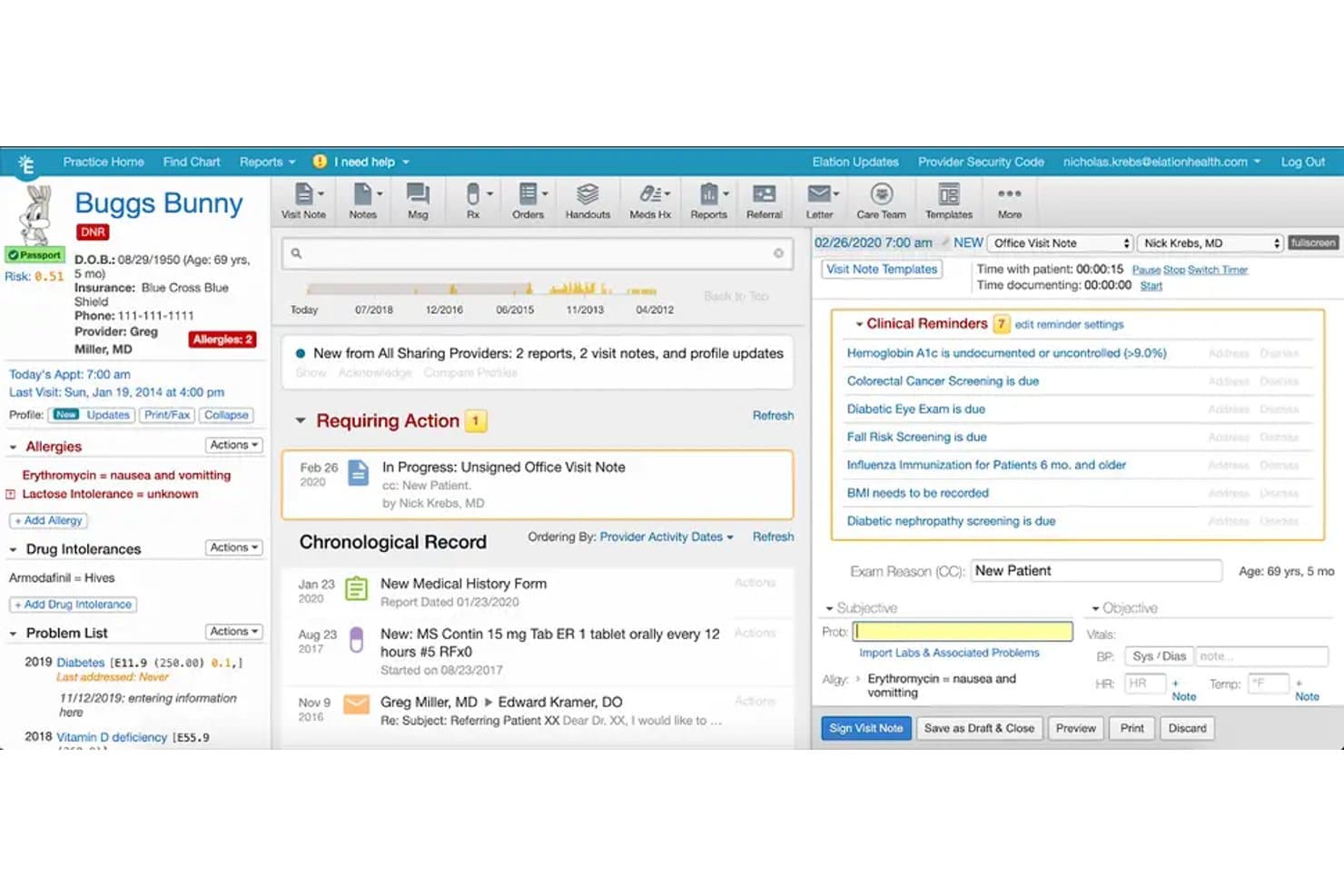
Elation Health ofrece una vista integral de la historia clínica del paciente, con recordatorios clínicos, seguimiento de alergias, listas de problemas y documentación de notas de visita en su plataforma EMR. Elation Health es un portal para pacientes nativo, que brinda a los pacientes acceso a sus registros de salud, mensajería segura, autoservicio de citas, solicitudes de renovación de recetas y pago de facturas en línea.
¿Para quién es mejor Elation Health?
Consultorios independientes de atención primaria que buscan un portal de pacientes que esté integrado de forma nativa en su EHR, en lugar de ser un complemento de terceros añadido.
Por qué elegí Elation Health
Elegí Elation Health por lo bien integrada que está su mensajería segura en el registro clínico. Cuando un paciente envía un mensaje con un informe de laboratorio o una imagen adjunta, el equipo de atención lo ve directamente en la misma ficha del EHR, sin cambiar de contexto. El portal multilingüe (disponible en siete idiomas) asegura que los equipos de atención primaria no pierdan hilos de comunicación debido a barreras idiomáticas. También me gusta que las solicitudes de renovación lleguen directamente al proveedor a través de la misma capa de mensajería.
Funciones clave de Elation Health
- Acceso a la aplicación móvil: Los pacientes pueden usar la app Elation Passport en iOS o Android para gestionar registros, citas y mensajes.
- Pestaña de autoprogramación de citas: Permite que los pacientes programen y cancelen citas directamente cuando la función está habilitada por el proveedor.
- Gestión de cuentas de familiares y cuidadores: Los usuarios pueden administrar la información de salud de varios seres queridos con un solo acceso.
- Flujos de trabajo digitales de consentimiento y registro: El registro y el consentimiento de nuevos pacientes se completan y almacenan electrónicamente dentro del portal.
Integraciones de Elation Health
Elation Health ofrece integraciones nativas con Zocdoc, Surescripts, Dock Health, Fullscript, Zus, Nsight Health y Carequality. Hay una API disponible para integraciones personalizadas.
Pros and Cons
Pros:
- Portal multilingüe que apoya la diversidad de pacientes
- Integración nativa con EHR para actualizaciones en tiempo real
- Los pacientes gestionan los registros de varios familiares
Cons:
- Funcionalidad de lista de espera para citas limitada
- Las funciones de pago en línea pueden requerir configuración
Learn more about Elation Health: Mejor para herramientas de interacción con pacientes
- Demo gratuita disponible
- Precios a consultar
Visit WebsiteCustomer Rating:3.9/5This rating combines scores from multiple user review sites to reflect overall customer sentiment about the product.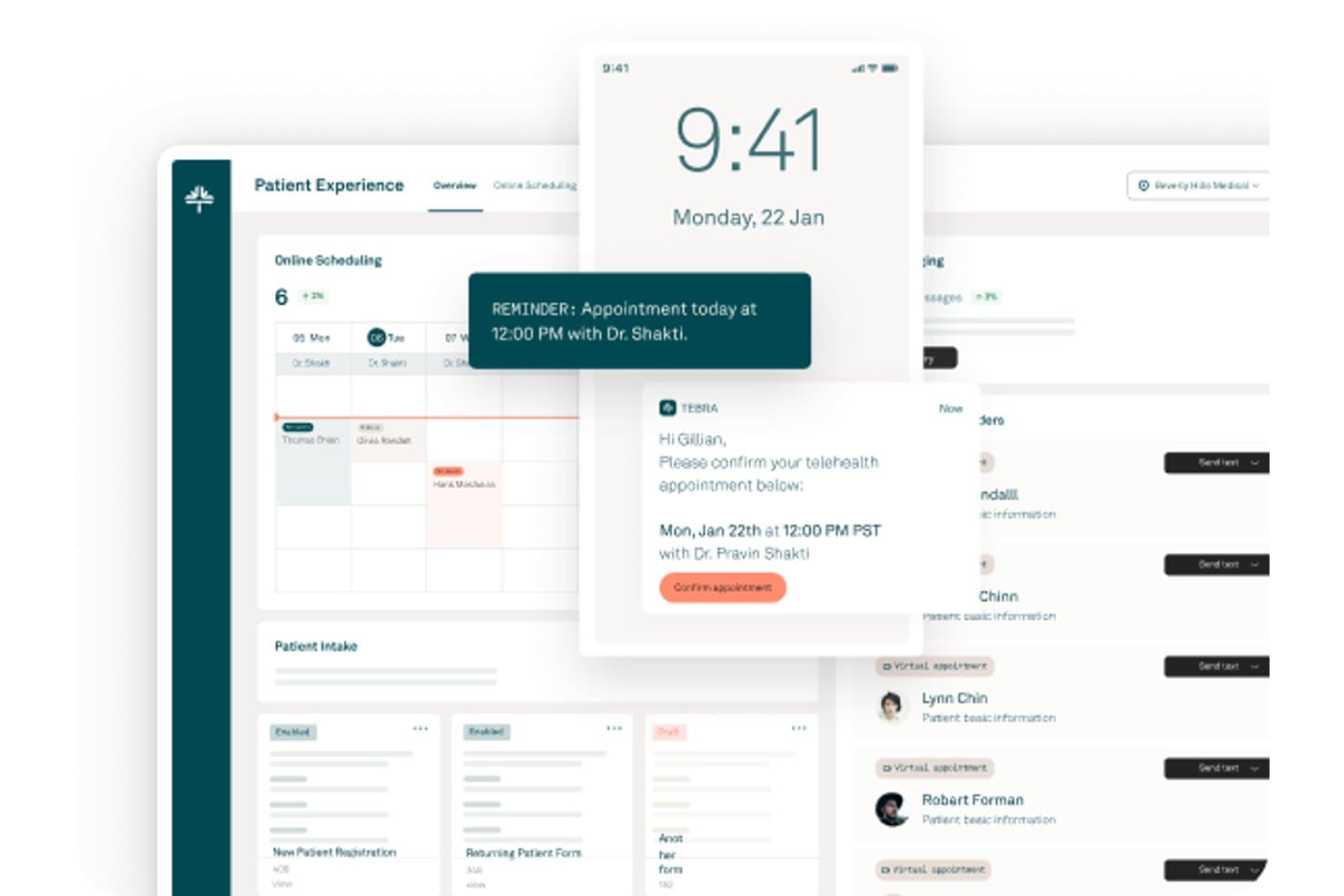
Tebra ofrece un panel de experiencia del paciente con programación en línea, recordatorios de citas, confirmaciones de telemedicina y gestión de admisión de pacientes. Tebra es una plataforma en la nube para la gestión de consultorios y registros médicos electrónicos (EHR) con un portal integrado para pacientes, que incluye programación de citas en línea, admisión digital, mensajería segura, pagos de facturas en línea y herramientas de interacción con pacientes en un solo sistema.
¿Para quién es mejor Tebra?
Tebra es una excelente opción para consultorios médicos independientes que desean una única plataforma para gestionar tanto los flujos de trabajo clínicos como las herramientas de interacción con los pacientes.
Por qué elegí Tebra
Tebra se gana su lugar entre los mejores de mi lista porque su conjunto de herramientas para la interacción con pacientes va mucho más allá de un portal estándar. Me gusta especialmente la función Patient Broadcast, que permite a mi equipo enviar mensajes masivos a segmentos específicos de pacientes, y las encuestas automatizadas posteriores a la visita que se publican automáticamente en perfiles de reseñas en más de 80 directorios. El sistema también automatiza los mensajes de cumpleaños, un nivel de comunicación con el paciente que no veo en la mayoría de portales vinculados a EMR.
Características clave de Tebra
- Programación de citas en línea: Permite a los pacientes reservar, reprogramar o cancelar citas directamente desde el portal.
- Formularios de admisión digital: Permite a los pacientes completar en línea el registro, historial médico y formularios de consentimiento.
- Pago de facturas desde el portal: Da a los pacientes la capacidad de ver estados de cuenta y realizar pagos de manera segura desde su portal.
- Mensajería segura compatible con HIPAA: Habilita la mensajería bidireccional y cifrada entre pacientes y proveedores dentro del portal.
Integraciones de Tebra
Tebra ofrece integraciones nativas con TriZetto, Appriss Health (PDMP) y permite la prescripción electrónica mediante EPCS. Hay una API disponible para integraciones personalizadas.
Pros and Cons
Pros:
- Mensajes masivos a grupos segmentados de pacientes
- Encuestas posteriores a la visita se publican automáticamente en directorios
- Mensajes de cumpleaños automatizados para contactar a pacientes
Cons:
- La mensajería segura requiere configuración de invitación al portal
- Los formularios de admisión tienen opciones de personalización limitadas
Learn more about Tebra: Ideal para conectar la programación móvil
- Demostración gratuita disponible
- Precio a consultar
Visit WebsiteCustomer Rating:3.9/5This rating combines scores from multiple user review sites to reflect overall customer sentiment about the product.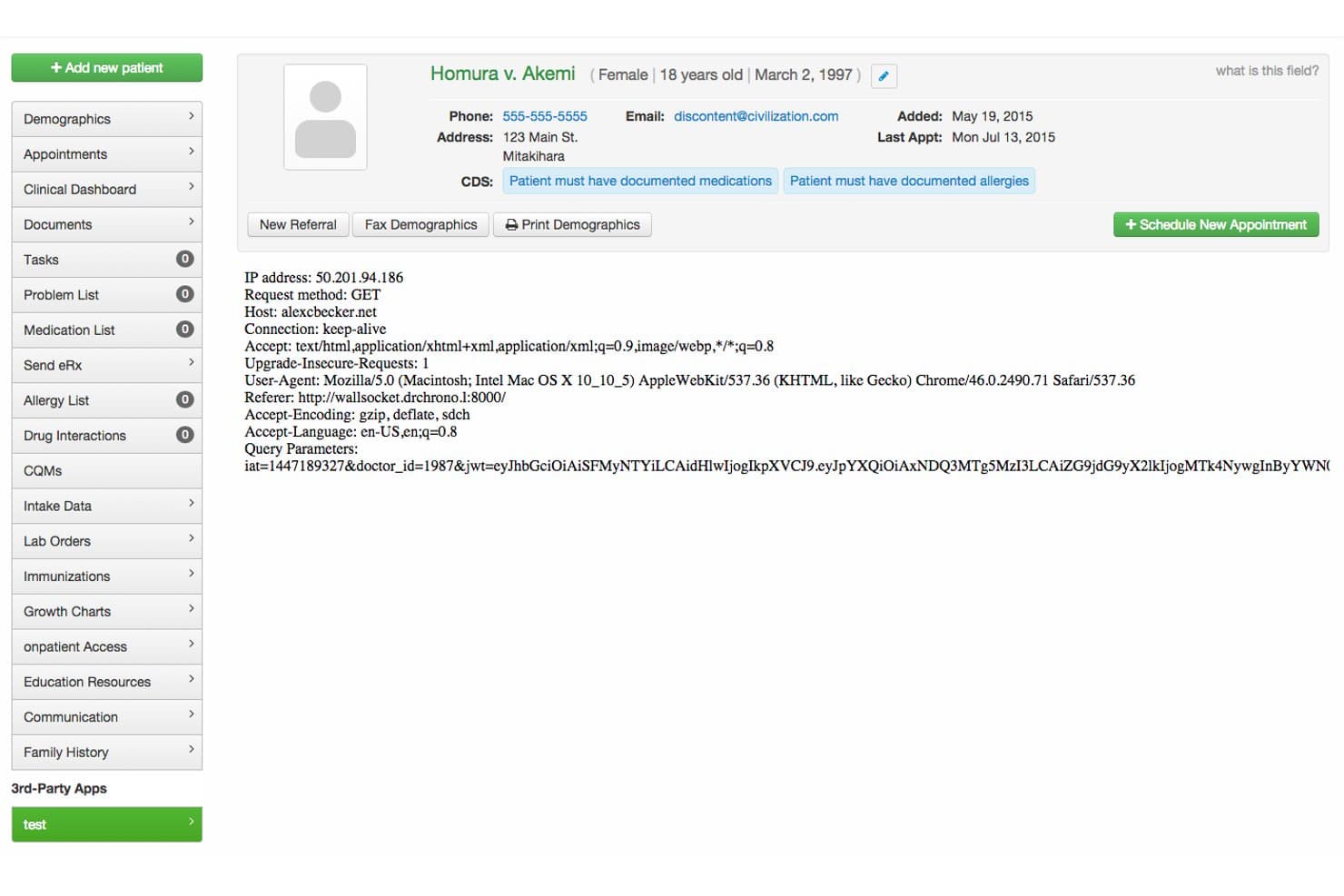
DrChrono ofrece una interfaz de portal de pacientes que muestra datos demográficos, alertas CDS, metadatos de solicitud HTTP y herramientas de navegación para la gestión de historiales médicos. DrChrono es una plataforma EHR basada en la nube con un portal para pacientes nativo que abarca documentación clínica, programación móvil, formularios digitales de admisión, mensajería segura, pagos de facturas en línea y prescripción electrónica, todo en un sistema conectado.
¿Para quién es mejor DrChrono?
DrChrono es una excelente opción para consultorios independientes y pequeños o medianos que gestionan flujos de trabajo clínicos en dispositivos Apple.
Por qué elegí DrChrono
DrChrono merece estar en mi lista porque tanto la programación como el portal de pacientes funcionan juntos de forma nativa para Apple. Me gusta que, cuando un paciente agenda a través de OnPatient, el sistema envía automáticamente los formularios de admisión correctos según el tipo de cita, para que los pacientes lleguen ya documentados. El predictor de ausencias que utiliza IA es otra funcionalidad valiosa, ya que identifica las citas en riesgo antes de que provoquen huecos en la agenda.
Funciones clave de DrChrono
- Portal de pacientes conforme con HIPAA: Los pacientes pueden iniciar sesión de manera segura para ver sus registros, mensajes y gestionar citas.
- Formularios digitales de admisión personalizables: Los consultorios pueden crear formularios electrónicos específicos para cada especialidad que se integran directamente en los historiales de los pacientes.
- Pago de facturas en línea integrado: Los pacientes pueden pagar saldos y establecer planes de pago recurrentes directamente a través del portal.
- Prescripción electrónica y gestión de medicamentos: Los profesionales pueden prescribir medicamentos electrónicamente y los pacientes pueden solicitar reposiciones en línea.
Integraciones de DrChrono
DrChrono ofrece integraciones nativas con Labcorp, Quest Diagnostics, Health Gorilla, Lifepoint y Square POS. Se dispone de una API y un Directorio de aplicaciones para desarrolladores para integraciones personalizadas.
Pros and Cons
Pros:
- El portal de pacientes admite formularios digitales de admisión
- Experiencia de programación nativa para iPad y iPhone
- Los recordatorios automáticos de citas reducen el trabajo manual
Cons:
- La interfaz del portal de pacientes está desactualizada
- Personalización limitada para la imagen de marca del portal de pacientes
Learn more about DrChrono: Mejor para flujos de admisión y pago integrados
- Demostración gratuita disponible
- Desde $229/proveedor/mes
Visit WebsiteCustomer Rating:3.6/5This rating combines scores from multiple user review sites to reflect overall customer sentiment about the product.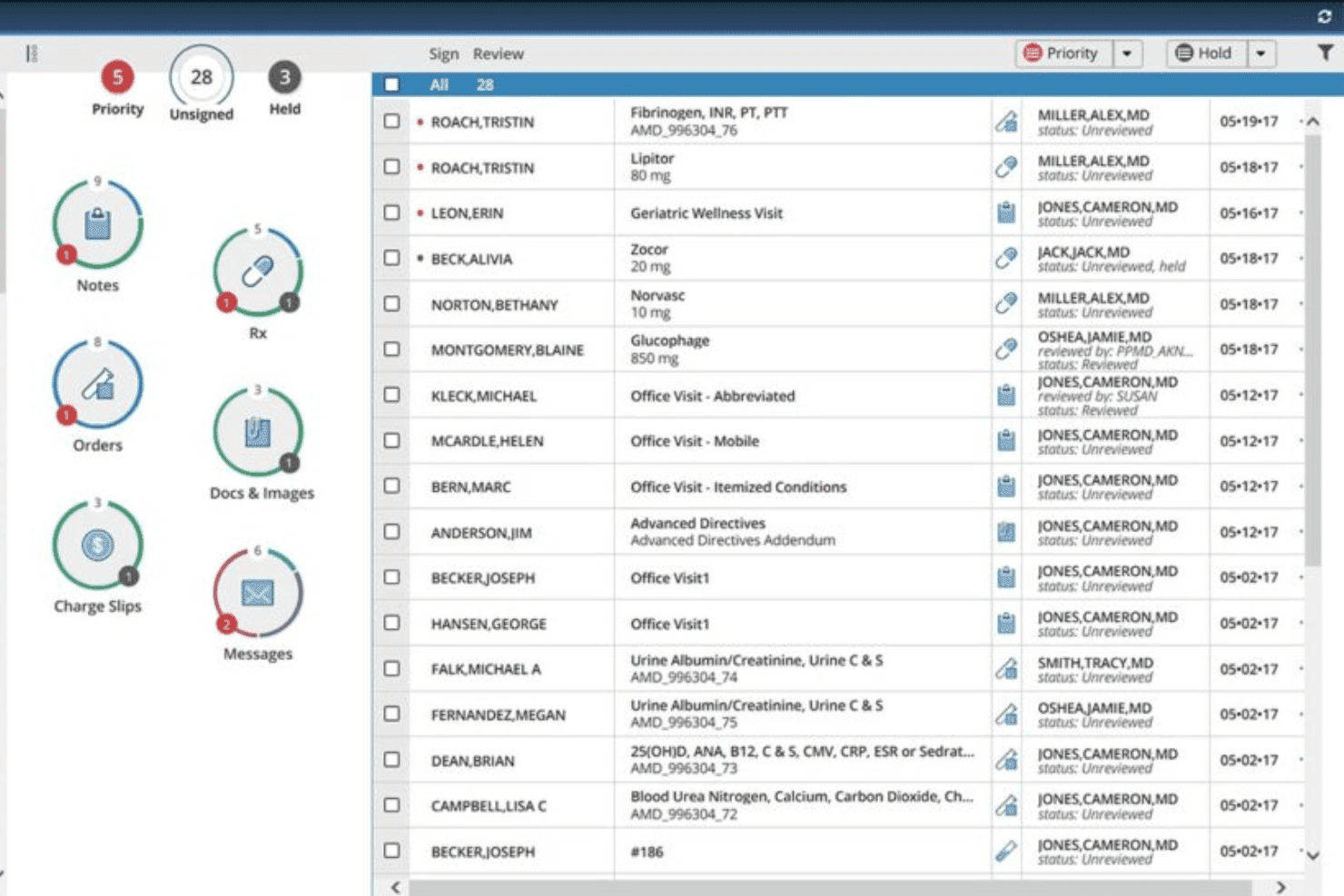
Panel de AdvancedMD para revisar notas del paciente, recetas, órdenes, documentos y mensajes AdvancedMD EMR es una plataforma de gestión de consultorios y EHR en la nube, certificada por la ONC, que incluye un portal para pacientes con programación de citas de autoservicio, formularios de admisión digitales, mensajería segura, pago de facturas en línea y prescripción electrónica.
¿Para Quién es Mejor AdvancedMD EMR?
AdvancedMD EMR es ideal para consultorios independientes de especialidades múltiples que necesitan una única plataforma para documentación clínica, programación y facturación de seguros.
Por Qué Elegí AdvancedMD EMR
He incluido AdvancedMD EMR en mis mejores opciones porque gestiona la admisión y el pago como partes nativas del flujo de trabajo clínico, no como complementos. El quiosco para pacientes permite completar el registro y formularios de consentimiento en un iPad al registrarse, con los datos transferidos directamente a su expediente. El pago de facturas dentro del portal se combina con el procesamiento integrado de tarjetas de crédito, por lo que el saldo del paciente puede cobrarse en el momento del registro o después de la visita sin salir de la plataforma.
Características Clave de AdvancedMD EMR
- Autoservicio de programación en el portal del paciente: Los pacientes pueden reservar, reprogramar o cancelar citas directamente en línea.
- Mensajería segura compatible con HIPAA: Permite a pacientes y proveedores intercambiar mensajes seguros, incluidos documentos clínicos.
- Formularios de admisión digitales personalizables: Los formularios de admisión con lógica condicional completan automáticamente los expedientes y se rellenan electrónicamente.
- Recetas electrónicas y gestión de renovaciones: Los pacientes pueden ver sus medicamentos y solicitar renovaciones de recetas a través del portal.
Integraciones de AdvancedMD EMR
AdvancedMD EMR ofrece integraciones nativas con Phreesia y es compatible con conectividad HIE y HL7. También dispone de API para integraciones personalizadas.
Pros and Cons
Pros:
- Formularios de admisión integrados directamente con el expediente del paciente
- Reservas y pagos de citas por autoservicio
- EHR certificado por ONC que permite registros clínicos detallados
Cons:
- La funcionalidad de planes de pago para pacientes es limitada
- La interfaz del portal del paciente puede resultar confusa
Learn more about AdvancedMD EMR: Mejor para flujos de trabajo digitales de registro y servicio
- Demo gratuita disponible
- Precios a consultar
Visit WebsiteCustomer Rating:3.6/5This rating combines scores from multiple user review sites to reflect overall customer sentiment about the product.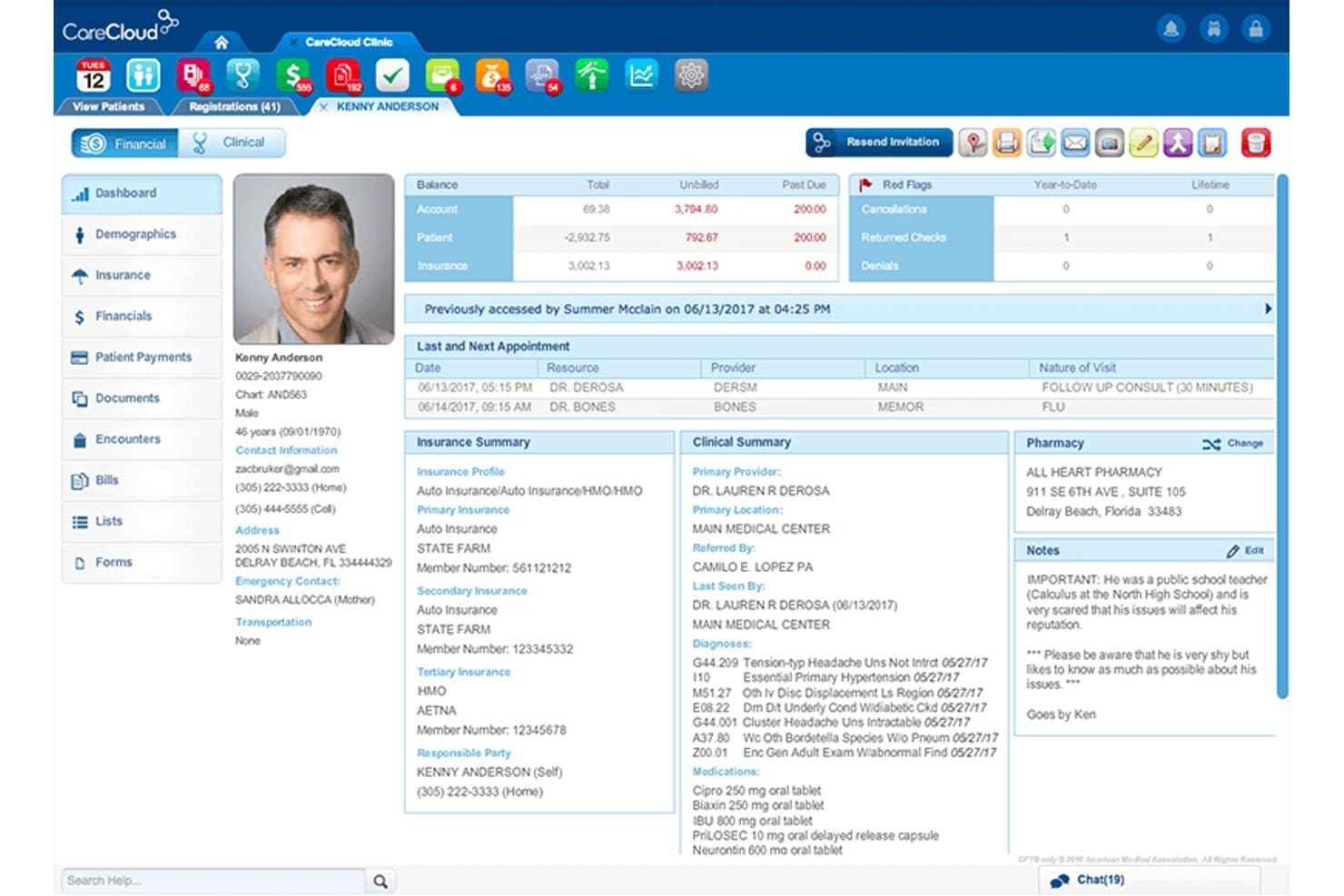
CareCloud ofrece un panel integral de portal del paciente, que muestra resúmenes financieros, detalles del seguro, notas clínicas e historial de citas en una sola vista unificada. CareCloud es una plataforma de experiencia del paciente que combina formularios digitales de ingreso, programación de citas en línea, mensajería segura en el portal y pago de facturas en el portal, todo ello integrado estrechamente con los sistemas de gestión de consultorios y EHR de CareCloud.
¿Para quién es mejor CareCloud?
CareCloud Breeze es una excelente opción para consultorios independientes y de tamaño pequeño a mediano que buscan reemplazar los flujos de trabajo en papel en la recepción por una experiencia del paciente completamente digital.
Por qué elegí CareCloud
CareCloud Breeze se gana su lugar en mi lista porque conecta de manera impecable la experiencia de registro digital con los registros clínicos internos. Me encanta que los pacientes puedan completar formularios de ingreso personalizables antes de su visita, y que sus respuestas se llenen automáticamente en CareCloud Charts y en el sistema de gestión de consultorios. También considero realmente útil la integración con el quiosco Clover, ya que permite a los pacientes registrarse en el lugar desde un quiosco de autoservicio sin necesidad de intervención en recepción.
Características clave de CareCloud
- Solicitudes de consultas de telemedicina: Los pacientes pueden solicitar y unirse a citas virtuales con un solo clic.
- Recordatorios de citas automatizados: El sistema envía recordatorios por correo electrónico o mensaje de texto para reducir inasistencias.
- Mensajería en el portal: Los consultorios pueden enviar comunicaciones importantes previas a la visita directamente a los pacientes dentro del portal.
- Múltiples opciones de pago: La plataforma admite varios métodos de pago y la personalización de planes de pago.
Integraciones de CareCloud
CareCloud Breeze ofrece integraciones nativas con CareCloud Central (gestión de consultorios), CareCloud Charts (EHR) y los quioscos Clover POS. Hay una API disponible para integraciones personalizadas.
Pros and Cons
Pros:
- Los formularios de pre-registro completan automáticamente los registros clínicos
- Admite registro de pacientes a través de quiosco en el lugar
- Recordatorios de pago automatizados con tarjeta registrada
Cons:
- Las funciones de mensajería son básicas en comparación con competidores
- Solo funciona con el EHR propio de CareCloud
Learn more about CareCloud: El mejor para pacientes de empresas en sistemas de salud
- Demo gratuita disponible
- Precio a consultar
Visit WebsiteCustomer Rating:4.3/5This rating combines scores from multiple user review sites to reflect overall customer sentiment about the product.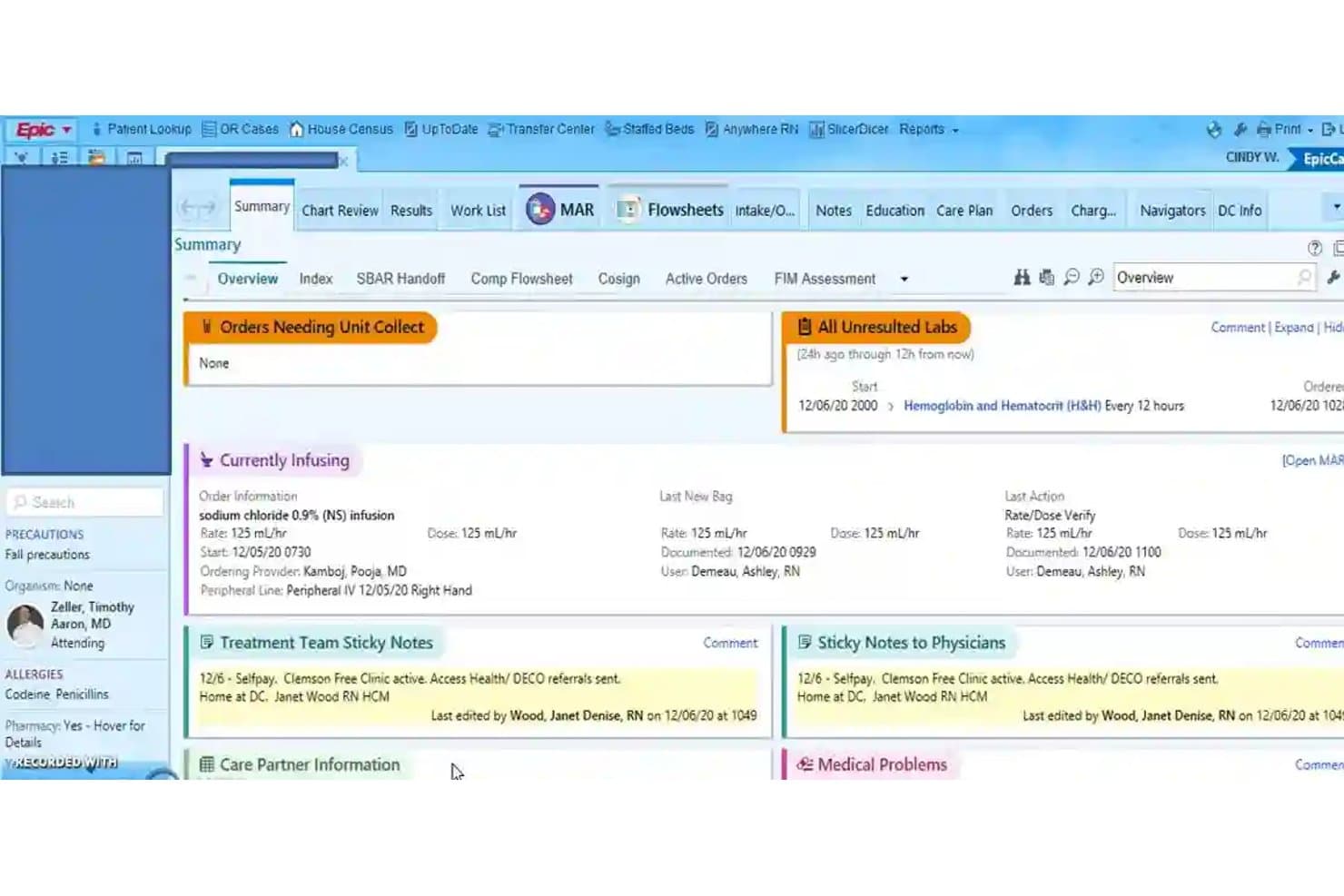
El software Epic EMR ofrece un panel de resumen del paciente que muestra infusiones activas, laboratorios pendientes de resultados, notas del equipo de tratamiento e información de alergias en un formato de resumen clínico. Epic es una plataforma empresarial de EMR con un portal de paciente nativo (MyChart) que brinda a los pacientes acceso a registros clínicos, mensajería segura, auto-programación de citas, registro digital, pago de facturas y solicitudes de resurtido de recetas en grandes sistemas de salud.
¿Para quién es mejor el software Epic EMR?
Epic es ideal para hospitales grandes, centros médicos académicos y sistemas de salud multisede que necesitan un portal de paciente unificado en entornos complejos a escala empresarial.
Por qué elegí el software Epic EMR
El software Epic EMR merece su lugar en mi lista porque ningún otro portal de pacientes iguala su acceso a registros a través de múltiples organizaciones a esta escala. MyChart Central permite a los pacientes vincular cuentas de varios sistemas de salud en una sola vista unificada, lo cual es fundamental cuando se recibe atención en varias organizaciones afiliadas o no afiliadas. También considero realmente útil la función de lista de espera Fast Pass, ya que notifica automáticamente a los pacientes cuando hay una cita disponible antes de lo previsto sin que el personal deba gestionar la lista manualmente.
Características clave del software Epic EMR
- Mensajería segura con pacientes: Los pacientes pueden comunicarse con los equipos de atención y enviar adjuntos desde su cuenta del portal.
- Auto-registro electrónico (eCheck-in): Los pacientes completan formularios y cuestionarios en línea antes de sus citas, y las respuestas se integran en el EMR.
- Pago de facturas en línea integrado: Los usuarios acceden a sus estados de cuenta y pagan saldos directamente a través del portal de paciente con múltiples opciones de pago.
- Visitas de telemedicina dedicadas: Las videollamadas se inician directamente desde MyChart, permitiendo que los pacientes se conecten con sus proveedores sin salir del portal.
Integraciones del software Epic EMR
El software Epic EMR ofrece integraciones nativas con plataformas como Iguana, MyChart, Avatier Identity Anywhere, Artera, PioneerRx, Harris CareTracker y Ambara Health. Hay una API disponible para integraciones personalizadas, y open.epic.com proporciona soporte de FHIR y SMART Health Card.
Pros and Cons
Pros:
- Permite el acceso a registros del paciente entre sistemas
- Admite flujos de trabajo de registro digital personalizables
- Ofrece funciones avanzadas de gestión de citas
Cons:
- Solo adecuado para organizaciones grandes
- La incorporación requiere una amplia formación y recursos
Learn more about Epic EMR Software: Ideal para gestionar historiales y mensajes en un solo lugar
- Demostración gratuita disponible
- Precio disponible bajo solicitud
Visit WebsiteCustomer Rating:4/5This rating combines scores from multiple user review sites to reflect overall customer sentiment about the product.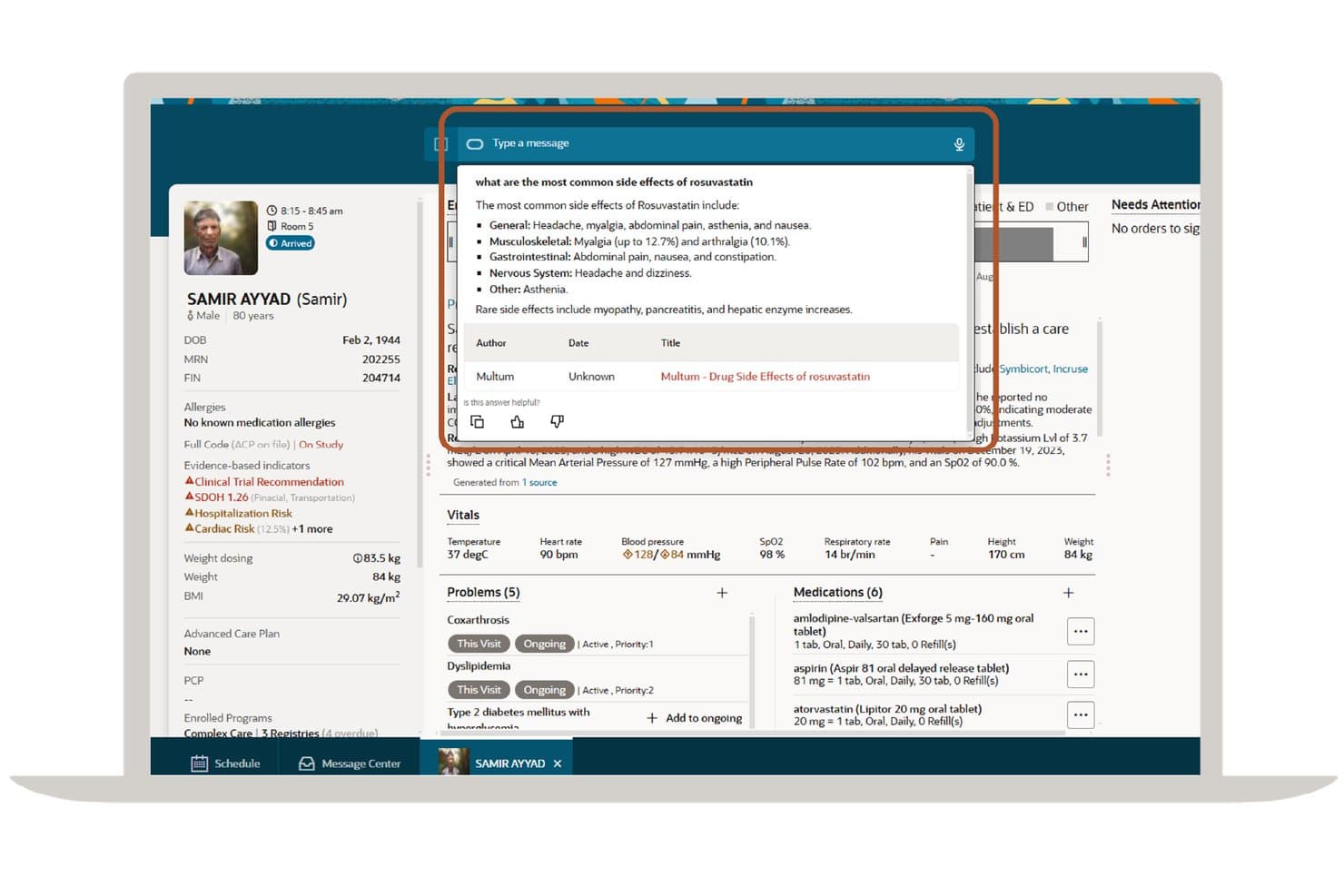
Oracle Health ofrece un asistente de voz con IA dentro de su EMR que responde consultas clínicas, como efectos secundarios de la rosuvastatina, directamente en la ficha del paciente. Oracle Health es una plataforma empresarial de EMR y portal del paciente que combina acceso nativo al historial médico, mensajería con proveedores conforme con HIPAA, programación de citas de autoservicio, admisión digital e integración de pagos en una única suite clínica.
¿Para quién es mejor Oracle Health?
Oracle Health está diseñado para sistemas de salud medianos a grandes, prácticas afiliadas a hospitales y organizaciones clínicas de múltiples sedes con equipos dedicados de TI y administración.
Por qué elegí Oracle Health
Elegí Oracle Health como uno de los mejores porque el Portal del Paciente se sincroniza de forma nativa con el EHR de Oracle Health, brindando a los pacientes acceso a resultados de laboratorio, resúmenes de visitas y medicamentos en un solo lugar. Lo que encuentro verdaderamente distintivo es el módulo de Comunicaciones Unificadas para Consumidores, que unifica mensajes del portal, SMS y canales de terceros en una única bandeja de entrada dirigida por el proveedor. La capa de IA, construida sobre OpenAI, también traduce los resultados de laboratorio a un lenguaje sencillo y redacta mensajes para pacientes directamente en el portal.
Funciones clave de Oracle Health
- Admisión y registro del paciente: Permite el registro electrónico y la recopilación de historial médico, que se integran directamente al EHR.
- Programación de visitas por video: Permite citas virtuales a través de módulos nativos de telesalud e integraciones con socios.
- Integración de dispositivos en tiempo real: Conecta dispositivos médicos como bombas de infusión, monitores de signos vitales e instrumentos de laboratorio para actualizaciones inmediatas de registros.
- Procesamiento avanzado de pagos: Ofrece pagos compatibles con PCI y múltiples opciones de monedero digital y tarjetas a través de Oracle Health Payments.
Integraciones de Oracle Health
Oracle Health ofrece integraciones nativas con Amwell para visitas por video y es compatible con Apple Pay, Google Pay y Samsung Pay a través de Oracle Health Payments. La plataforma también proporciona una API para integraciones personalizadas y conecta dispositivos médicos como bombas de infusión e instrumentos de laboratorio.
Pros and Cons
Pros:
- Sincronización en tiempo real entre el EHR y el portal del paciente
- Mensajería centralizada con el paciente conforme a HIPAA
- Admite flujos avanzados de datos de dispositivos y laboratorios
Cons:
- El proceso de incorporación es complejo para pacientes nuevos
- Principalmente adecuado para organizaciones grandes o basadas en hospitales
Learn more about Oracle Health: Ideal para mensajería segura y pagos en línea
- Demostración gratuita disponible
- Precio bajo consulta
Visit WebsiteCustomer Rating:3.7/5This rating combines scores from multiple user review sites to reflect overall customer sentiment about the product.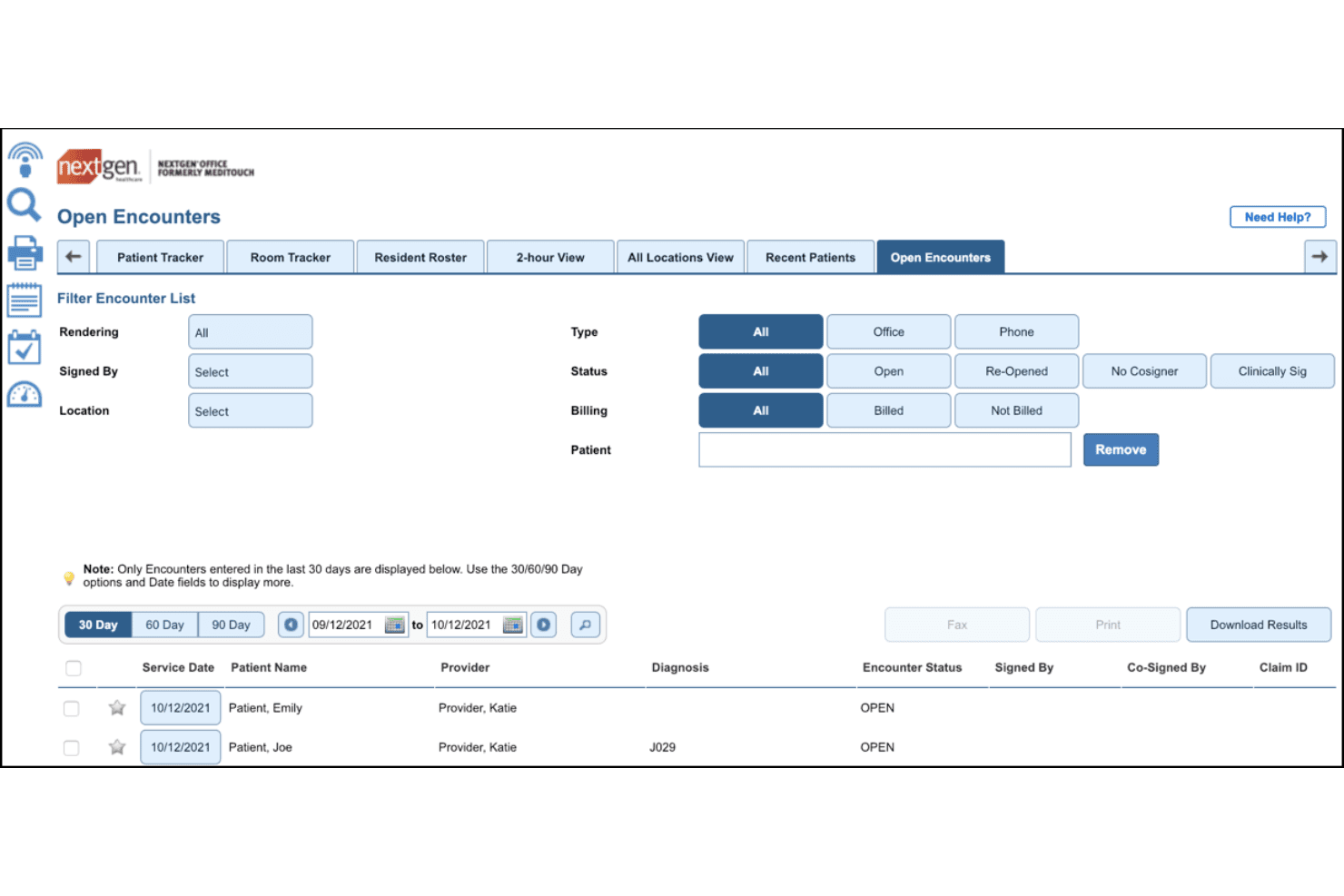
NextGen Healthcare ofrece una vista de Encuentros Abiertos que permite a los proveedores filtrar, rastrear y gestionar los estados de los encuentros con pacientes, facturación y diagnósticos en una sola pantalla. NextGen Healthcare es una plataforma nativa de historias clínicas electrónicas (EHR) ambulatorias y portal para pacientes que integra mensajería segura, pago de facturas en línea, autoprogramación de citas, admisión digital y solicitudes de resurtido de recetas en un solo sistema cerrado.
¿Para quién es mejor NextGen Healthcare?
NextGen Healthcare es ideal para consultas ambulatorias independientes y de múltiples especialidades que desean un EHR totalmente integrado y portal para pacientes sin tener que unir herramientas de diferentes proveedores.
Por qué elegí NextGen Healthcare
Elegí NextGen Healthcare como uno de los mejores porque sus herramientas de mensajería segura y pago están integradas directamente en el EHR, y no provienen de proveedores externos. El PxP Portal dirige los mensajes de los pacientes al personal específico según el tema, lo que mantiene manejable la bandeja de entrada del proveedor. NextGen Pay añade la función de pago de invitado, inscripción en pagos automáticos y planes de pago, y está documentado que una consulta vio multiplicarse por cuatro la adopción de pagos de pacientes después del cambio.
Características clave de NextGen Healthcare
- Integración bidireccional con el EMR: Los datos del portal para pacientes se sincronizan en tiempo real con el EHR de NextGen para resultados de laboratorio, notas y registros.
- Formularios de admisión digital personalizables: Los pacientes completan el registro, historia médica y consentimientos que se agregan automáticamente a su expediente.
- Autoprogramación y gestión de citas: Los pacientes pueden reservar, reprogramar o cancelar citas directamente desde el portal.
- Acceso al portal de pacientes optimizado para móviles: El portal funciona en cualquier dispositivo con navegador web y admite la incorporación tanto en inglés como en español.
Integraciones de NextGen Healthcare
NextGen Healthcare ofrece integraciones nativas mediante el NextGen Marketplace, incluyendo Mirth Connect, Commure, ActX Genomic Decision Support, Innovaccer, Weave, Birdeye, Clearwave, Arcadia.io, Labcorp Diagnostic Assistant y AWS. Se dispone de una API para integraciones personalizadas.
Pros and Cons
Pros:
- Mensajería segura entre pacientes con flujos de trabajo de direccionamiento
- Actualizaciones en tiempo real del EMR por actividad del portal para pacientes
- Inscripción automatizada a pagos y planes de pago integrados
Cons:
- Se reportan tiempos lentos para resolución de tickets de soporte
- Herramientas limitadas para seguimiento de adherencia a recetas
Learn more about NextGen Healthcare: Lo mejor para registros de salud móviles
- Demostración gratuita disponible
- Desde $449/usuario/mes
Visit WebsiteCustomer Rating:3.4/5This rating combines scores from multiple user review sites to reflect overall customer sentiment about the product.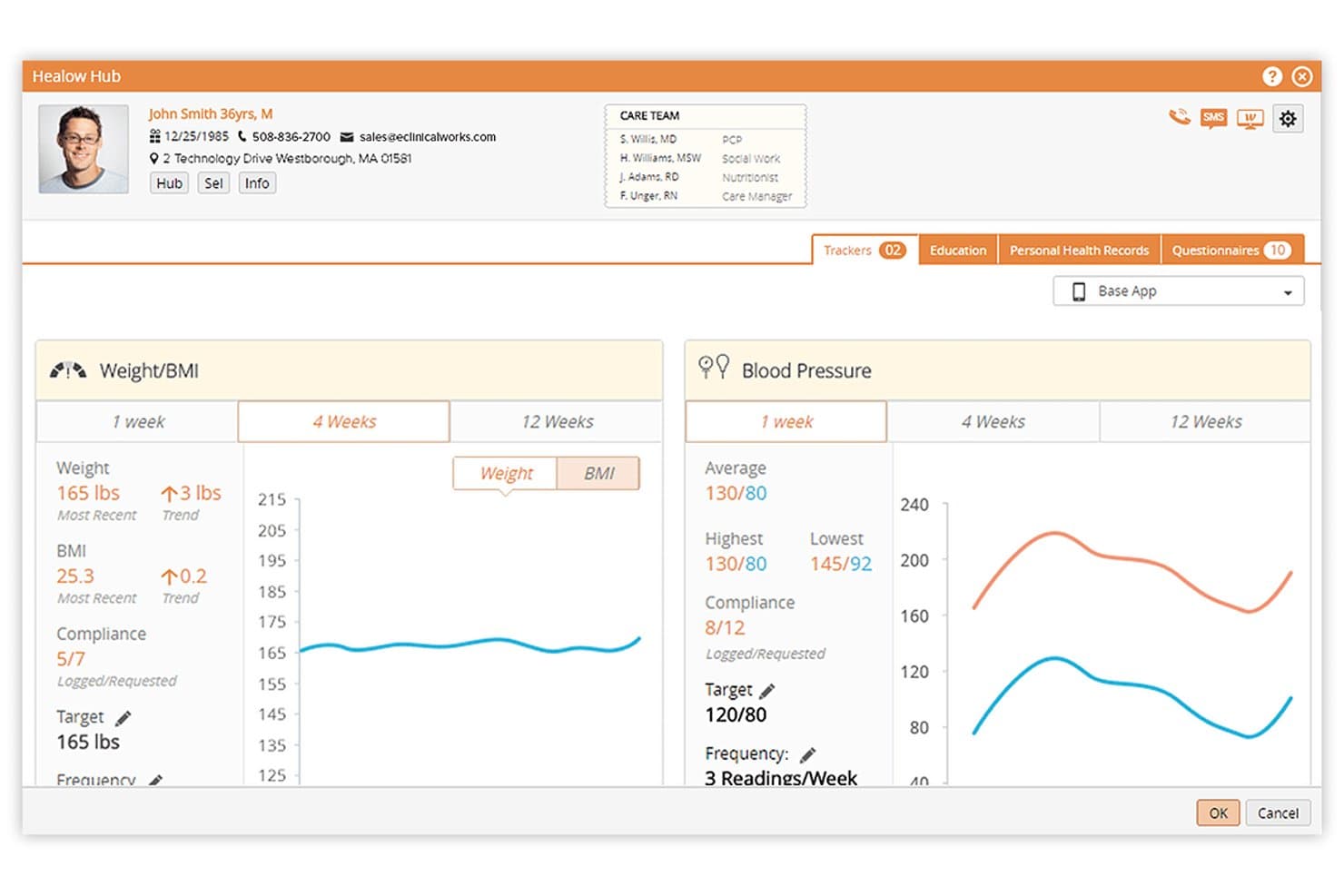
eClinicalWorks ofrece un portal de seguimiento de la salud del paciente llamado Healow Hub, que muestra rastreadores de peso/IMC y presión arterial, con gráficos de tendencias y datos de cumplimiento. eClinicalWorks es una plataforma EMR basada en la nube con una suite nativa de interacción con el paciente llamada healow, que abarca la autoprogramación, mensajería segura, registro digital, telesalud y acceso móvil a los expedientes médicos.
¿Para quién es mejor eClinicalWorks?
eClinicalWorks es una excelente opción para consultorios ambulatorios y centros de salud comunitarios que necesitan un EMR completamente integrado y un portal para pacientes en una sola plataforma.
Por qué elegí eClinicalWorks
Elegí eClinicalWorks como uno de los mejores porque la aplicación healow integra el expediente de salud completo del paciente, los medicamentos activos y las próximas citas en una única interfaz móvil. Los pacientes pueden iniciar una TeleConsulta o completar su registro previo a la visita, incluidos los formularios de consentimiento y el pago del copago, desde la misma aplicación. Muy pocos portales nativos de EMR ofrecen esa experiencia clínica y administrativa completa en el móvil sin requerir herramientas de terceros.
Características clave de eClinicalWorks
- Motor de búsqueda de información de salud PRISMA: Agrega expedientes de EHR externos y organiza los datos clínicos para su revisión por parte del proveedor.
- Centro de contacto AI healow Genie: Proporciona autoservicio automatizado para pacientes las 24 horas, por teléfono, SMS o chatbot.
- Formularios digitales de registro personalizables: Permite a los pacientes completar electrónicamente el registro, historial médico y consentimiento antes de la visita.
- Proceso de facturación en línea integrado: Los pacientes pueden ver los estados de cuenta y realizar pagos directamente a través del portal del paciente.
Integraciones de eClinicalWorks
eClinicalWorks ofrece integraciones nativas con LabCorp y es compatible con la sincronización de datos desde dispositivos como medidores de glucosa en sangre domésticos y Fitbit a través de la plataforma healow. Hay una API disponible para integraciones personalizadas.
Pros and Cons
Pros:
- La aplicación móvil ofrece acceso completo al expediente del paciente
- Herramientas sólidas de telesalud dentro del portal para pacientes
- Los formularios digitales previos a la visita se sincronizan con el EHR
Cons:
- La interfaz de usuario parece anticuada para muchos usuarios
- Las actualizaciones del portal se implementan lentamente en las consultas
Learn more about eClinicalWorks: Ideal para acceso móvil y registro digital previo a la cita
- Demostración gratuita disponible
- Precios a consultar
Visit WebsiteCustomer Rating:5/5This rating combines scores from multiple user review sites to reflect overall customer sentiment about the product.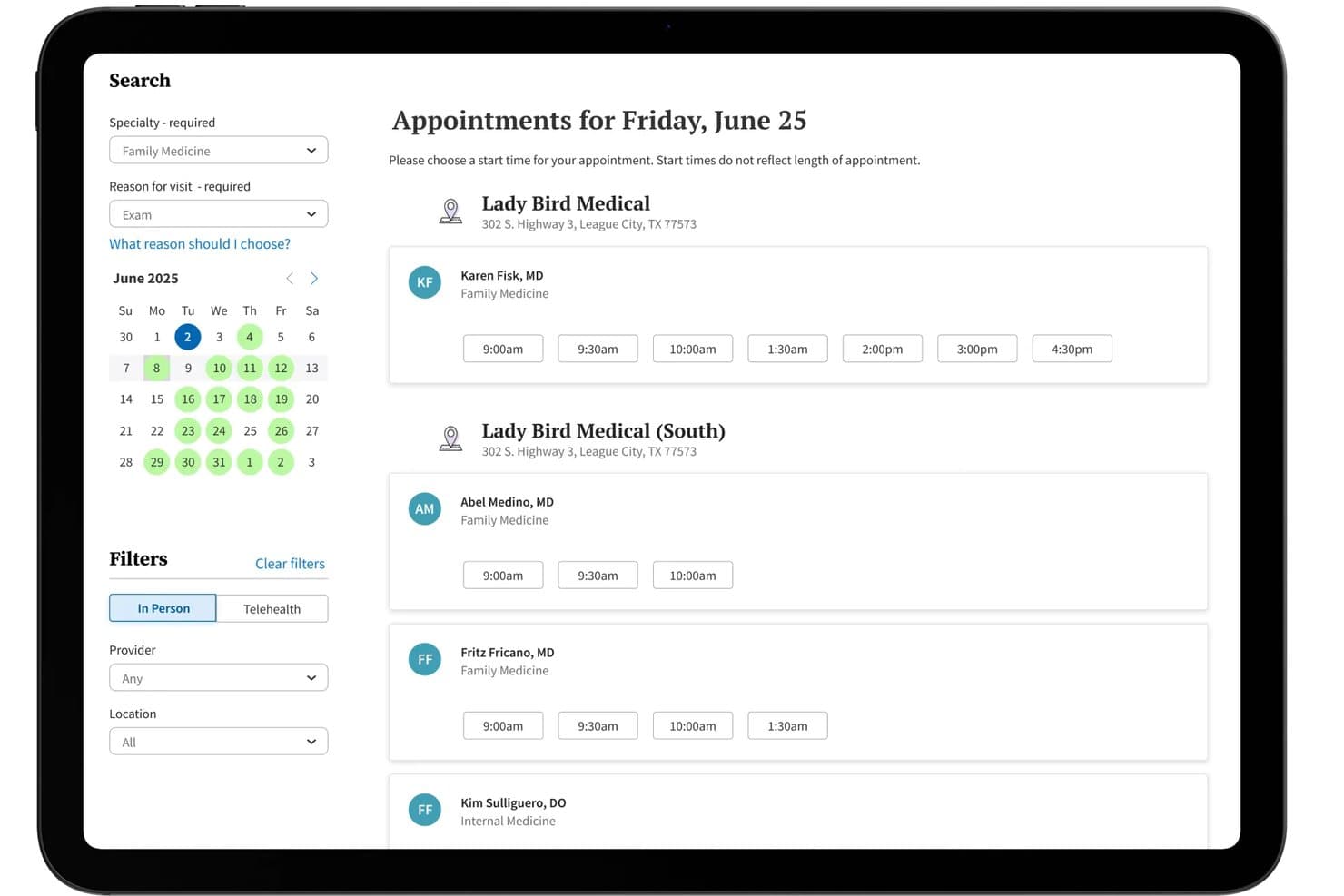
Athenahealth ofrece un portal para pacientes con autoprogramación donde los pacientes pueden revisar los horarios de citas disponibles por especialidad, ubicación y proveedor directamente desde una interfaz de calendario. Athenahealth es una plataforma de historia clínica electrónica (EHR) y portal para pacientes basada en la nube que combina registros clínicos, mensajería segura, autoprogramación de citas, registro digital, pagos en línea y e-prescripción en un solo sistema conectado.
¿Para quién es mejor Athenahealth?
Athenahealth funciona bien para consultas independientes y ambulatorias que desean una EHR y un portal para pacientes integrados sin depender de múltiples herramientas desconectadas.
Por qué elegí Athenahealth
Elegí Athenahealth porque la aplicación móvil AthenaPatient brinda a los pacientes acceso directo a sus registros médicos, resultados de exámenes, citas, mensajes e información de facturación desde sus teléfonos. Me gustan especialmente sus herramientas de registro digital previo a la visita, que permiten a los pacientes completar formularios de ingreso, cuestionarios de evaluación y documentos de consentimiento antes de llegar. Esto puede reducir el papeleo en la recepción y ayudar al personal a prepararse más eficientemente para las visitas.
Características clave de Athenahealth
- Mensajería segura compatible con HIPAA: Permite que pacientes y proveedores intercambien mensajes y documentos protegidos a través del portal o la aplicación móvil.
- e-prescripción integrada: Permite a los pacientes revisar los medicamentos actuales y enviar solicitudes de resurtido directamente a su equipo de atención.
- Notificaciones automáticas de lista de espera: Notifica a los pacientes cuando hay horarios de cita disponibles antes y les permite reservar esos espacios en línea.
- Portal para pacientes personalizado con la marca: Añade el logotipo y la identidad visual del consultorio para crear una experiencia más coherente para el paciente.
Integraciones de Athenahealth
Athenahealth se conecta con laboratorios, farmacias, centros de imágenes, aseguradoras y otras organizaciones de atención médica. También admite el intercambio de datos a través de Carequality y CommonWell, ofrece un mercado de aplicaciones asociadas verificadas y proporciona acceso API para integraciones personalizadas.
Pros and Cons
Pros:
- Aplicación móvil para pacientes con acceso completo a registros
- Flujo de registro digital previo a la visita incluido
- Autoprogramación de citas en tiempo real
Cons:
- Las notificaciones del portal para pacientes pueden ser inconsistentes
- La personalización de los informes es limitada para algunas métricas
Learn more about Athenahealth:
Otro software de portal del paciente EMR
Estas son algunas opciones adicionales de software de portal del paciente EMR que no llegaron a mi lista final, pero que aún merece la pena consultar:
- 11FollowMyHealthIdeal para conectar pacientes con sus registros
- 12RXNTIdeal para acceso asequible al portal
- 13Azalea HealthIdeal para la participación en la atención médica rural
- 14CharmHealthMejor para la personalización del compromiso con el paciente
- 15ModMedMejor para la participación del paciente según la especialidad
- 16NextechMejor para portales de pacientes especializados en dermatología
- 17CureMDEl mejor para combinar el acceso a portales
- 18NextGen OfficeIdeal para el acceso de pacientes en consultorios pequeños
Cómo Evalúo el Software de Portales para Pacientes EMR
Divido mi evaluación entre la funcionalidad básica que todo portal debe cubrir—como la sincronización bidireccional con el EMR y la mensajería compatible con HIPAA—y los diferenciadores que separan las buenas herramientas de las excelentes.
Funcionalidad Básica (Requisitos Indispensables para Esta Lista)
Cuando selecciono herramientas para mi lista, califico cada una en una escala del 0 (no ofrece la funcionalidad) al 5 (destaca en esta área) para cada funcionalidad central listada a continuación. Luego, calculo la puntuación total de la herramienta como un porcentaje. Cada herramienta debe alcanzar una puntuación total mínima del 65% para ser considerada.
- Integración EMR/EHR: Verifico si los datos enviados por los pacientes se sincronizan bidireccionalmente con la historia clínica, de modo que los resultados de laboratorio y las notas de las visitas se actualicen sin conciliación manual.
- Mensajería Segura para Pacientes: Aquí es importante la mensajería compatible con HIPAA que permita adjuntos y el enrutamiento al proveedor, como compartir fotos de heridas o instrucciones postoperatorias.
- Autoservicio de Citas: Los pacientes deben poder reservar, reprogramar o cancelar citas por sí mismos, idealmente con disponibilidad en tiempo real y recordatorios automáticos.
- Formularios de Ingreso Digital: Evalúo si los formularios de registro y consentimiento se completan automáticamente en la historia clínica del paciente, reemplazando flujos de trabajo de papel y escaneo en el registro.
- Pago de Facturas en Línea: Cada portal debería ofrecer pagos dentro del portal con varios métodos y planes de pago, no solo una redirección a un procesador externo.
- Solicitudes de Recetas y Repeticiones: Busco un flujo de trabajo dedicado a las repeticiones que envíe las solicitudes directamente al proveedor y no dependa solo de un hilo genérico de mensajes.
Una vez que tengo una lista de herramientas que cumplen los criterios, considero qué distingue a cada plataforma.
Factores Diferenciadores (Qué Distingue a los Proveedores)
Así es como comparo y contrasto a los diferentes proveedores:
Características Sobresalientes
La integración con telemedicina es un diferenciador clave—busco portales donde los pacientes puedan iniciar una videollamada directamente sin una app o inicio de sesión adicionales. El acceso a la app móvil con notificaciones push también es relevante, ya que los pacientes tienen mucha más probabilidad de revisar resultados de laboratorio o responder mensajes cuando las alertas llegan a su teléfono. El acceso familiar o por representante es otra característica que evalúo detenidamente, especialmente para prácticas pediátricas o de cuidados a personas mayores donde un cuidador necesita gestionar los registros de dependientes bajo el debido control de HIPAA.
Más Allá de las Características
La interoperabilidad EMR/EHR es mi punto de partida—verifico si el portal se conecta de manera nativa con el sistema existente de la consulta o si requiere puentes HL7/FHIR que añaden complejidad. El cumplimiento regulatorio también tiene mucho peso, especialmente la Certificación ONC Health IT para las prácticas que participan en los programas de Promoción de la Interoperabilidad. El tamaño de la consulta y la especialidad completan mi evaluación. Un consultorio dermatológico individual necesita una configuración "llave en mano", mientras un sistema de salud con múltiples ubicaciones requiere gestión unificada de identidad del paciente en sitios y proveedores.