

Software-ul EHR pentru alergii urmărește testele cutanate, imunoterapia și reacțiile pacienților, eliberându-ți echipa să se concentreze pe îmbunătățirea siguranței pacienților și a îngrijirii continue. Gestionarea programelor de tratament poate fi dificilă, dar asistența potrivită poate automatiza alertele și poate asigura o evidență clară.
În acest articol, compar și analizez cele mai bune instrumente software EHR pentru alergii, pentru a te ajuta să iei o decizie de achiziție.
Why Trust Our Software Recommendations
6,700+
Reviews
20
Industry experts
16+
Evaluation factors
14
Years
Our team has been testing and reviewing software since 2012. As medical practice leaders ourselves, we know how difficult—and important—it is to choose the right software.
For this guide, we evaluated tools using hands-on testing and independent research, scoring tools using our selection criteria.
Our reviews reflect our human editorial judgment, not a sales pitch.
Tabel comparativ al software-urilor EHR pentru alergii
Acest tabel comparativ sintetizează detaliile despre prețuri pentru selecția mea de top de software-uri EHR pentru alergii:
Score legend (out of 5)
- Excellent4.5–5
- Good4–4.4
- Average3–3.9
- Below average2–2.9
- Poor1–1.9
Sorted by: Default
| Tool | Starting Price | Website | |||||||
|---|---|---|---|---|---|---|---|---|---|
Best for customized allergy charting | 2.7 out of 5 | 2 | 1 | 2 | 4 | 4 | 3 | $99/month 15-day free trial | Website |
Best for specialized allergy and immunology modules | 3.3 out of 5 | 2 | 3 | 4 | 4 | 4 | 3 | Pricing upon request Free demo available | Website |
Best for integrated telemedicine options | 3.0 out of 5 | 2 | 1 | 4 | 4 | 3 | 4 | $130/user/month 30-day free trial + free demo available | Website |
Best for streamlined allergy workflow management | 3.0 out of 5 | 1 | 2 | 4 | 4 | 4 | 3 | Pricing upon request Free demo available | Website |
Best for published monthly provider pricing | 3.2 out of 5 | 3 | 2 | 2 | 4 | 4 | 4 | $499/user/month Free demo available | Website |
Best for comprehensive allergy and immunology modules | 3.7 out of 5 | 4 | 4 | 4 | 4 | 3 | 3 | Pricing upon request Free demo available | Website |
Good for patient portal and online bill payment | 4.0 out of 5 | 4 | 5 | 3 | 4 | 4 | 4 | Pricing upon request Free plan + free demo available | Website |
Good for allergy shot mixing and tracking | 3.0 out of 5 | 4 | 5 | 3 | 1 | 2 | 3 | Pricing upon request Free demo available | Website |
Good for customizable allergy-specific workflows | 3.0 out of 5 | 2 | 2 | 3 | 4 | 4 | 3 | $499/user/month Free demo available | Website |
Best for coded allergy history reconciliation | 3.0 out of 5 | 2 | 1 | 2 | 4 | 4 | 5 | $280/user/month Free demo available | Website |


Recenzii ale celor mai bune software-uri EHR pentru alergii
Mai jos sunt prezentate rezumatele mele detaliate ale celor mai bune software-uri EHR pentru alergii care au ajuns pe lista mea scurtă. Recenziile mele oferă o privire detaliată asupra funcțiilor principale, avantajelor și dezavantajelor, integrărilor și cazurilor ideale de utilizare ale fiecărui instrument, pentru a te ajuta să îl găsești pe cel mai potrivit pentru tine.
 Best for customized allergy charting
- 15-day free trial
- From $99/month
Visit WebsiteCustomer Rating:4.8/5
OptiMantra’s patient portal lets patients access allergy records and communicate securely with their care team. OptiMantra is a comprehensive EHR and practice management platform designed for integrative and wellness practices. Its flexibility makes it a strong choice for allergy clinics, offering customizable charting, lab integrations, and telehealth tools to manage patient care efficiently.
Why I Picked OptiMantra:
I picked OptiMantra for this list because it allows you to tailor intake and charting forms to match the needs of allergy patients. This customization makes it easier to record detailed test results and treatment plans. I also value how well it connects with major labs like LabCorp and Quest Diagnostics, so you can order and track allergy tests directly from within the platform. Plus, its HIPAA-compliant telehealth feature means you can meet with patients remotely—ideal when symptoms make in-person visits difficult.
Standout features and integrations:
Features include customizable charting templates for allergy documentation, electronic prescriptions for allergy medications, and integrated lab orders with real-time results tracking. The system also includes a secure patient portal and messaging tools to help patients stay informed about their treatment. Integrations include Surescripts, LabCorp, Quest Diagnostics, Rupa Health, Fullscript, and Clinical Pathology Laboratories, Inc. (CPL).
Pros and Cons
Pros:
- Secure telehealth and patient messaging
- Integrated lab ordering and results
- Flexible allergy-specific chart templates
Cons:
- Pricing may deter smaller practices
- Occasional software bugs reported
Learn more about OptiMantra: Best for specialized allergy and immunology modules
- Free demo available
- Pricing upon request
Visit WebsiteCustomer Rating:4.5/5
Here's what ModMed's EHR software looks like on various devices. ModMed, short for Modernizing Medicine, is an award-winning healthcare IT company offering an integrated suite of electronic health records (EHR) software, practice management, and billing systems. Its specialized allergy and immunology modules set it apart from other EHR providers, making it an excellent choice for practices within these specialties.
Why I Picked ModMed:
In the process of selecting the best EHR systems, I chose ModMed due to its dedicated modules for allergy and immunology. Compared to other tools, it demonstrates a unique focus on these specific medical fields. Thus, it makes an ideal choice for practices that require detailed and specialty-specific functionalities.
Standout features and integrations:
One of ModMed's key features is its specialty-specific electronic health record (EHR) system, which provides detailed modules for allergy and immunology. The EHR can be integrated with ModMed's own practice management system, which simplifies administrative tasks and enhances workflow. The platform also integrates with major labs and radiology systems for a more comprehensive healthcare experience.
Pros and Cons
Pros:
- Connects with major labs and radiology systems
- Seamless integration with other practice management systems
- Offers detailed allergy and immunology modules
Cons:
- Integration with non-ModMed systems could be improved
- The learning curve for specialized modules
- Pricing may be high for smaller practices
Learn more about ModMed: Best for integrated telemedicine options
- 30-day free trial + free demo available
- From $130/user/month
Visit WebsiteCustomer Rating:3.6/5
Here's AdvancedMD's EHR dashboard. AdvancedMD is a comprehensive EHR system known for its robust feature set, which includes one of the most well-integrated telemedicine options available. The platform's telehealth feature allows healthcare providers to provide medical consultations remotely, aligning with the increasing shift towards digital healthcare provision.
Why I Picked AdvancedMD:
In my selection process, I prioritized tools that cater to modern healthcare trends, and AdvancedMD ticked that box with its integrated telemedicine options. In my judgment, the platform stands out in its ability to intertwine traditional EHR functionality with telehealth options, a key determinant in choosing it as best for practices seeking integrated telemedicine options.
Standout features and integrations:
AdvancedMD incorporates a high-performing telehealth module within its suite, allowing for easy scheduling and hosting of online appointments. Other key features include E-prescribing, revenue cycle management, and patient engagement tools. It also integrates well with various systems and applications, facilitating easy data transfer and smooth workflows.
Pros and Cons
Pros:
- Effective integration capabilities
- Robust feature set beyond telemedicine
- Integrated telemedicine module
Cons:
- Additional training might be required to fully utilize the platform's capabilities.
- Could be overwhelming for smaller practices due to extensive features
- Relatively high starting price
 Best for streamlined allergy workflow management
- Free demo available
- Pricing upon request
Visit WebsiteCustomer Rating:3.5/5
Here's CurMD's workflow management dashboard. CureMD is a comprehensive EHR software specifically designed to cater to the needs of allergists. It offers a suite of robust features that empower healthcare providers to streamline their allergy workflow, thus enabling efficient patient care.
Why I Picked CureMD:
My choice of CureMD for this list was driven by its strong focus on allergy-specific workflow management. It became clear to me that CureMD stands apart in its ability to streamline clinical processes, enhancing the efficiency of an allergy practice.
I believe it is best for streamlined allergy workflow management due to its robust set of features tailored to the unique requirements of allergists, including an extensive allergen library, simplified test ordering, and custom templates for quick documentation.
Standout features and integrations:
Key features of CureMD include an extensive allergen library and an efficient test ordering system that accelerates the diagnosis process. Moreover, CureMD’s custom templates for quick documentation reduce administrative burdens, allowing more time for patient care. The software integrates with numerous labs, pharmacies, and other healthcare providers, ensuring a well-rounded, connected healthcare solution.
Pros and Cons
Pros:
- Efficient test ordering system
- Integrations with numerous labs and pharmacies
- Customized features specifically designed for allergy practices
Cons:
- May require hardware upgrades for optimal performance
- Higher starting price compared to some other options
- Steep learning curve for new users
Learn more about CureMD: Best for published monthly provider pricing
- Free demo available
- From $499/user/month
Visit WebsiteCustomer Rating:3.4/5
eClinicalWorks allergy module: creating allergen immunotherapy vial formulations with a live formulation preview. eClinicalWorks is a cloud-based EHR platform that covers clinical documentation, allergy and immunology workflows, skin test worksheets, formulation tracking, practice management, and patient engagement tools.
Who Is eClinicalWorks Best For?
eClinicalWorks is a strong fit for allergy and immunology practices that want a configurable, all-in-one EHR with built-in practice management and transparent per-provider pricing.
Why I Picked eClinicalWorks
I've included eClinicalWorks in my top picks because it's one of the few allergy EHR platforms that publishes its per-provider pricing openly, with plans starting at $499/month. That transparency matters when you're budgeting across multiple providers. I also like its configurable skin test worksheets, which let you document wheal and flare results directly in the chart, and PRISMA, which pulls patient history from outside organizations into a single searchable timeline regardless of the source EHR.
eClinicalWorks Key Features
- Sunoh.ai ambient medical scribe: Listens to provider-patient conversations and converts them into draft clinical notes automatically.
- healow CHECK-IN: Lets patients verify demographics, sign consent forms, update intake forms, and pay copays before their appointment.
- FHIR API access: Supports third-party app connections via SMART on FHIR, patient-facing APIs, and bulk backend APIs.
- E&M coder: Built-in evaluation and management coding tool helps providers assign accurate codes during the documentation workflow.
eClinicalWorks Integrations
eClinicalWorks has a documented native integration with Surescripts for prescription eligibility, external Rx history, and formulary checking. FHIR APIs support custom connections, while HL7 interfaces connect compatible laboratory, radiology, and in-house pharmacy systems.
Pros and Cons
Pros:
- Templates support varied allergy visit documentation
- Cross-source records create searchable patient timelines
- Configurable worksheets capture wheal and flare results
Cons:
- No allergy-specific billing automation is documented
- No structured immunotherapy dosing or vial logs
Learn more about eClinicalWorks: Best for comprehensive allergy and immunology modules
- Free demo available
- Pricing upon request

Here's the practice management feature in Meditab. Meditab is an EMR software and practice management software solution. It offers a sophisticated EHR solution specifically designed to support the specialized workflows of allergy and immunology clinics. Its comprehensive modules, dedicated to allergy and immunology, set it apart as a remarkable tool in the EHR space.
Why I Picked Meditab:
I included Meditab in my selection due to its comprehensive, well-rounded suite of modules that cater specifically to allergy and immunology practices. This software stands out with its focus on providing targeted solutions to the unique needs of this medical field.
In my view, Meditab is best for its comprehensive allergy and immunology modules, which provide all the necessary tools for efficient patient management.
Standout features and integrations:
Meditab offers features such as a dedicated allergy module, an immunology module, an integrated practice management system, and allergy shot therapy management. These features are enhanced by its robust integration with labs, pharmacies, and medical billing systems, providing an all-in-one solution for allergy and immunology clinics.
Pros and Cons
Pros:
- Dedicated support for allergy shot therapy management
- Robust integration with labs, pharmacies, and billing systems
- Comprehensive allergy and immunology modules
Cons:
- Pricing could be steep for small practices
- Can be overwhelming for new users due to its comprehensive nature
- No free trial available
Learn more about Meditab: Good for patient portal and online bill payment
- Free plan + free demo available
- Pricing upon request
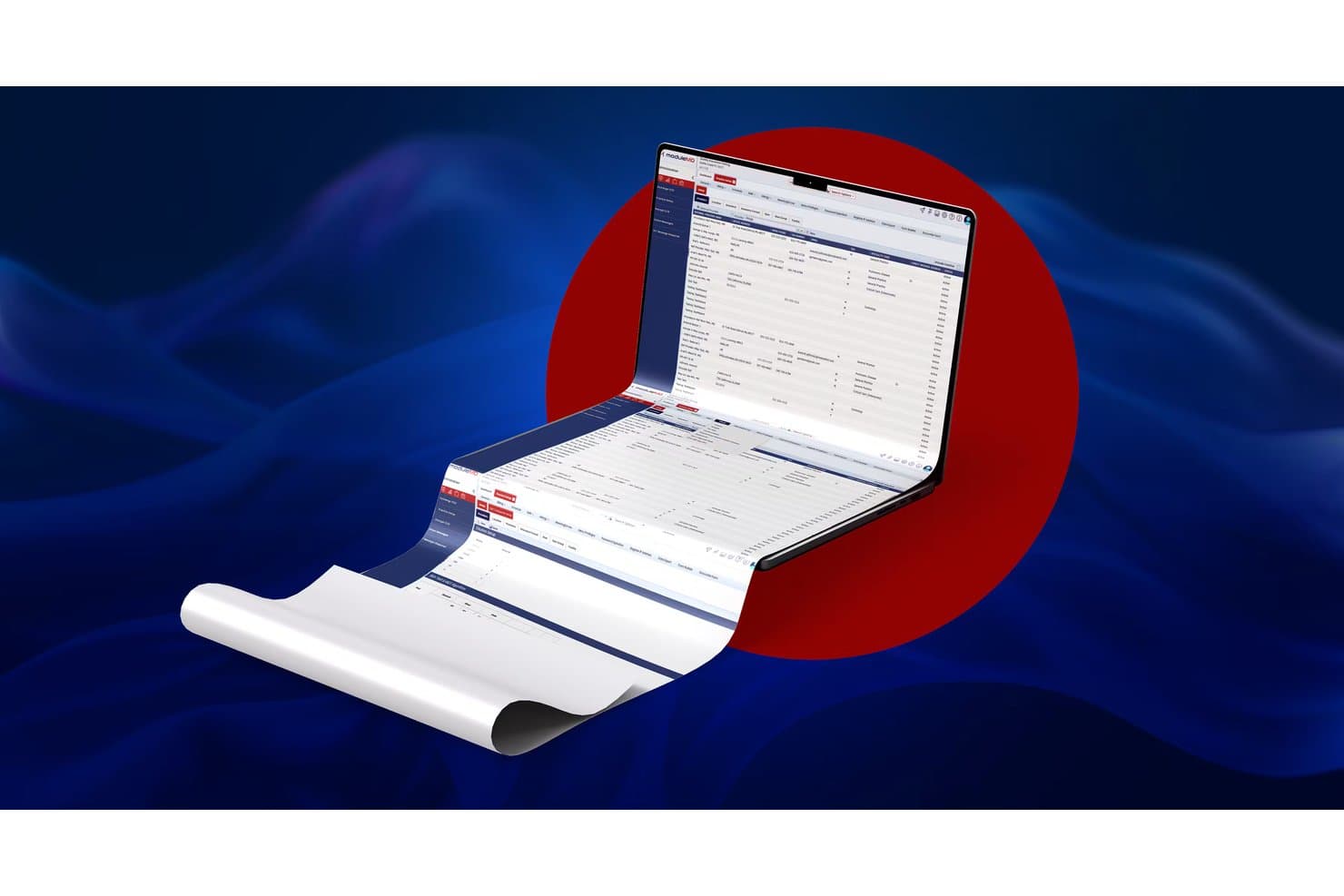
moduleMD's EHR interface displaying a structured table of records and navigation tabs. moduleMD is a cloud-based allergy EHR built specifically for allergy and immunology practices, combining clinical documentation, immunotherapy management, skin testing, practice management, and patient engagement tools in one platform.
Who Is ModuleMD Best For?
ModuleMD is a strong fit for dedicated allergy and immunology practices that need a purpose-built EHR with deep immunotherapy management built in from day one.
Why I Picked ModuleMD
I've included ModuleMD in my top picks because its patient portal genuinely stands out for allergy practices managing high injection-visit volumes. Patients can pay bills directly through the portal using secure credit card processing, and the practice manager gets real-time visibility into payments received and billing communications. I also like that patients can check in from the parking lot via the portal app, cutting front-desk congestion on busy immunotherapy days.
ModuleMD Key Features
- Immunotherapy vial tracking: Tracks lot numbers, allergen-specific vial contents, beyond-use dates, and expiration dates across your full inventory.
- Pre-injection questionnaire: Prompts patients to complete a safety questionnaire before each injection administration is documented.
- AAAAI QCDR integration: Submits quality measures directly to the American Academy of Allergy, Asthma & Immunology's qualified clinical data registry.
- Skin test panel configuration: Lets you build and customize allergen and skin-test panels tied directly to orders and results in the patient chart.
ModuleMD Integrations
ModuleMD offers native integrations with Quest Diagnostics, Labcorp, hospital labs, CommonWell Health Alliance, and spirometry devices. Marketplace integrations include DrFirst, Mirth, and Carequality; API availability isn’t stated.
Pros and Cons
Pros:
- Reviewers praise responsive support during transitions
- Patient portal supports bill payment and check-in
- Detailed immunotherapy vial and safety tracking
Cons:
- Pop-ups and extra clicks interrupt workflows
- Screen transitions can load slowly
Learn more about moduleMD: Good for allergy shot mixing and tracking
- Free demo available
- Pricing upon request

Summit patient review dashboard with injection history, prescription orders, and allergy prescriptions in one view. Xtract Solutions is a cloud-based allergy immunotherapy management platform that covers diagnostic skin testing, serum prescribing, vial mixing and compounding, injection tracking, and compliance checklists for allergy and immunology clinics.
Who Is Xtract Solutions Best For?
Xtract Solutions is a strong fit for allergy and immunology clinic nurses and technicians who manage high volumes of immunotherapy mixing and injection workflows daily.
Why I Picked Xtract Solutions
I picked Xtract Solutions as one of the best because its Mix module is purpose-built for the exact compounding work allergy clinic nurses do every day. Barcode-verified mixing scans each ingredient against the serum order before it's added, and the system automatically records lot numbers and calculates beyond-use dates. When a patient's vial is ready, the Inject module cross-checks the scanned barcode against the treatment plan and flags any dosing mismatch before the shot is given.
Xtract Solutions Key Features
- Customizable skin-test panels: Staff can configure antigen panels by geographic region or individual patient need, with a timer that alerts nurses when results are ready to read.
- Patient kiosk check-in: Patients sign in using the last four digits of their phone number and a PIN, or touchless sign-in with a barcode card, and can complete a pre-injection health questionnaire at the kiosk.
- Injection and observation queues: Organizes patients by arrival order and tracks both pre-injection waiting time and mandatory post-injection observation periods.
- Comply module checklist: Provides a structured checklist for the Allergenic Extracts Compounding Area (AECA) and tracks compliance testing reminders.
Xtract Solutions Integrations
Xtract Solutions has one documented integration with Cerner, exchanging patient demographics and clinical documents such as skin-test results, mixes, and injections. API availability and additional named integrations aren’t documented.
Pros and Cons
Pros:
- Barcode checks support safer shot administration
- Inventory tracks antigen stock and expiration
- Faster mixing and easier staff training
Cons:
- Setup and workflow changes drew complaints
- No general-purpose encounter charting
Learn more about Xtract Solutions: Good for customizable allergy-specific workflows
- Free demo available
- From $499/user/month

ChartPerfect lab order form for placing allergy panels and other laboratory tests. ChartPerfect is an allergy-specialty EHR and practice management platform with customizable charting templates, integrated billing tools, lab ordering, ePrescribing, and a patient portal built for allergy and immunology practices.
Who Is ChartPerfect Best For?
ChartPerfect is a strong fit for small allergy and immunology practices that need a fully customizable, specialty-built EHR without the overhead of a large enterprise system.
Why I Picked ChartPerfect
ChartPerfect earns its spot on my shortlist because of how deeply it leans into allergy-specific template customization. I like that practices can build charting workflows from scratch using drag-and-drop controls, so a skin test visit and a seasonal allergy shot appointment each get their own tailored structure rather than a generic note format. The electronic superbill and claim scrubbing tools also map well to the specialty billing demands of allergy and immunology, where coding for immunotherapy services requires precision.
ChartPerfect Key Features
- Patient portal with self-service intake: Patients can complete customizable intake forms before or during a visit, with submitted information syncing directly to their chart.
- Insurance eligibility verification: Staff can run eligibility and benefit checks—including copays, deductibles, and covered services—on demand or in batches before appointments.
- HL7 interoperability: The system exchanges patient demographics, lab orders, clinical documents, and immunization records with external systems via HL7 interfaces.
- MIPS performance dashboard: The built-in dashboard tracks MIPS performance categories with step-by-step reporting guidance to support attestation for allergy and immunology providers.
ChartPerfect Integrations
ChartPerfect lists 115 integration partners, including Quest Diagnostics for lab connectivity, Waystar ClaimRemedi for claims and ERAs, PayJunction for payments, and SRFax for electronic fax. HL7 interfaces support clinical data exchange; API availability isn’t documented.
Pros and Cons
Pros:
- Portal intake syncs histories into charts
- Electronic superbills support specialty charge capture
- Custom templates fit skin tests and shots
Cons:
- No structured visual skin-test result mapping
- No dedicated immunotherapy dose or vial tracking
Learn more about ChartPerfect: Best for coded allergy history reconciliation
- Free demo available
- From $280/user/month

prognoCIS EHR face sheet displaying a patient's penicillin allergy alongside medical history and medications. PrognoCIS EHR is a cloud-based electronic health record platform from Bizmatics that covers clinical documentation, allergy history tracking with SNOMED/RxNorm-coded records, e-prescribing with drug-allergy interaction checks, integrated billing, and specialty templates for allergy and immunology practices.
Who Is PrognoCIS EHR Best For?
PrognoCIS EHR is a strong fit for allergy and immunology practices that prioritize detailed, coded patient allergy records and need solid clinical documentation across multiple locations.
Why I Picked PrognoCIS EHR
I picked PrognoCIS EHR because its allergy record structure is the most granular I've seen for coded history reconciliation. Each allergy entry captures type, severity, reaction, and status, with RxNorm codes for drug allergies and SNOMED codes for allergen-class entries. When a CCD comes in from a referring provider, the system surfaces imported allergies in a dedicated Transition of Care section, letting you review, reconcile, and add them to the active list with duplicate detection by type and code built right in.
PrognoCIS EHR Key Features
- Drug-allergy interaction alerts: At the point of prescribing, the system flags conflicts between a new prescription and the patient's documented allergies using First Databank algorithms.
- PrognoAI Scribe: An AI-powered ambient scribe listens to provider-patient conversations and auto-drafts structured clinical notes across HPI, history, examination, and medication sections.
- Allergy and immunology templates: Specialty-specific templates cover common HPI complaints, allergen types, skin and blood testing, and treatment options including antihistamines and nasal sprays.
- Multi-location administration: Centralized reporting and administration tools let you manage workflows, portal access, and permissions across multiple clinic locations from a single account.
PrognoCIS EHR Integrations
Documented integrations include Surescripts for e-prescribing, First Databank for drug and allergy interaction checks, and IdenTrust for controlled-substance authentication. PrognoCIS EHR also supports FHIR and custom APIs for additional integrations.
Pros and Cons
Pros:
- Reviewers praise specialty-specific template flexibility
- Allergy templates cover testing and treatment
- Coded allergy records support CCD reconciliation
Cons:
- Reviewers report labor-intensive template setup
- No documented immunotherapy dose or vial tracking
Learn more about prognoCIS EHR:
How I Evaluate Allergy EHR Software
I split my evaluation into three parts, giving the most weight to core functionality: document visits, track extracts and doses, and log injections. For standout features, I look for visual skin-test mapping or dose-calculation alerts. Beyond features, I consider allergy-specific onboarding, record migration, and pricing fit.
Core Functionality (Table Stakes For This List)
When I'm selecting tools for my list, I score each one on a scale from 0 (does not offer the functionality) to 5 (excels in this area) for each core functionality listed below. I then convert the total into a percentage to help assess each tool's overall fit, with extra weight on any functionalities I’ve deemed essential.
- Clinical Documentation (Essential): I look for structured, adaptable notes, histories, and plans for consults, testing visits, and follow-ups, without forcing staff to rely on free text.
- Immunotherapy Management (Essential): I assess tracking for extracts, vial mixing, dose schedules, and injection logs, plus alerts that help staff catch protocol deviations or reactions.
- Allergy Testing: I check whether staff can record and retrieve structured results for skin prick, patch, and other tests within the patient chart.
- Specialty Billing: I evaluate support for allergy and immunotherapy codes, including how billing workflows handle injections and related services.
- Allergy Records: I look for searchable histories that connect allergens and reactions with prior treatments and current care plans.
- Data Exchange: I consider how securely the system exchanges relevant clinical information with labs, pharmacies, and other healthcare systems.
Once I have a list of tools that meet the criteria, I consider what sets each platform apart.
Differentiating Factors (What Sets Vendors Apart)
Here's how I compare and contrast different vendors:
Standout Features
I look for dose calculation automation that adjusts dilutions and schedules based on each patient's build-up or maintenance protocol—this cuts manual math errors during vial mixing. Visual skin test mapping matters too, especially grids that mirror physical testing trays so nurses can chart results with point-and-click speed. I also evaluate reaction alert systems that flag prior adverse events and trigger real-time warnings before a dose is administered, which directly supports anaphylaxis risk management in busy shot clinics.
Beyond Features
I evaluate how each vendor handles allergy-specific onboarding—migrating existing immunotherapy records and vial histories is a real risk point, since gaps can delay treatment or force protocol restarts. Pricing models matter too, especially whether per-encounter fees scale reasonably for high-volume shot clinics running dozens of injections daily. I also check interoperability with reference labs and pharmacy networks, because practices that can pull in-vitro results and send e-prescriptions without manual re-entry keep staff focused on patient care instead of data entry.
Cum să alegi software-ul EHR pentru alergii
Este ușor să te pierzi în liste lungi de funcții și structuri de prețuri complexe. Pentru a te ajuta să rămâi concentrat în timp ce parcurgi procesul unic de selecție a software-ului, iată o listă de verificare a factorilor de care trebuie să ții cont:
| Factor | Ce trebuie luat în considerare |
|---|---|
| FactorScalabilitate | Ce trebuie luat în considerarePoate software-ul să se dezvolte odată cu cabinetul tău? Ia în considerare extinderea viitoare și dacă instrumentul poate gestiona mai mulți utilizatori, pacienți sau date fără probleme. |
| FactorIntegrări | Ce trebuie luat în considerareSe conectează la instrumentele pe care le folosești deja? Verifică compatibilitatea cu alte sisteme, precum software-ul de facturare sau de laborator, pentru a evita izolarea datelor. |
| FactorPosibilități de personalizare | Ce trebuie luat în considerareÎl poți adapta pentru a se potrivi fluxului tău de lucru? Caută opțiuni de modificare a șabloanelor, formularelor și tablourilor de bord pentru a corespunde nevoilor cabinetului tău. |
| FactorUșurință în utilizare | Ce trebuie luat în considerareEste intuitiv pentru echipa ta? Acordă prioritate software-ului cu o interfață simplă, pentru a reduce timpul de instruire și a minimiza erorile. |
| FactorImplementare și integrare inițială | Ce trebuie luat în considerareCât de lină este tranziția? Evaluează asistența și resursele disponibile în timpul configurării, precum ghiduri, instruire și asistență dedicată. |
| FactorCost | Ce trebuie luat în considerareSe încadrează în bugetul tău? Compară planurile tarifare, ia în considerare costurile ascunse și evaluează valoarea funcțiilor incluse în raport cu nevoile tale. |
| FactorMăsuri de securitate | Ce trebuie luat în considerareSunt protejate datele și confidențialitatea pacienților? Asigură-te că software-ul respectă reglementările din domeniul medical și oferă măsuri de securitate solide. |
| FactorCerințe de conformitate | Ce trebuie luat în considerareRespectă standardele industriei? Verifică dacă instrumentul respectă reglementările și certificările relevante din domeniul medical pentru regiunea ta. |
Ce este software-ul EHR pentru alergii?
Software-ul EHR pentru alergii este un software pentru dosare electronice de sănătate specializat, conceput pentru gestionarea informațiilor medicale legate de alergii. Alergologii și profesioniștii din domeniul medical specializați în alergii folosesc de obicei aceste instrumente pentru a îmbunătăți îngrijirea pacienților și pentru a gestiona eficient dosarele. Funcții precum dosarele alergiilor pacienților, programarea consultațiilor și alertele automate privind alergiile ajută la gestionarea datelor pacienților și la asigurarea conformității cu reglementările din domeniul medical. În general, aceste instrumente îmbunătățesc capacitatea furnizorilor de servicii medicale de a oferi îngrijire specializată și eficientă pentru alergii.
Funcții
Atunci când alegi un software EHR pentru alergii, acordă atenție următoarelor funcții principale:
- Fișe privind alergiile pacienților: Păstrați fișe detaliate privind alergiile pacienților pentru a asigura îngrijiri precise și personalizate.
- Programarea consultațiilor: Simplificați rezervarea și gestionarea consultațiilor cu ajutorul instrumentelor integrate de programare.
- Alerte automate privind alergiile: Primiți notificări despre alergiile pacienților pentru a preveni reacțiile adverse și a îmbunătăți siguranța.
- Șabloane personalizabile: Adaptați formularele și șabloanele pentru a corespunde nevoilor și fluxurilor de lucru specifice cabinetului dumneavoastră.
- Portal pentru pacienți: Permiteți pacienților să își acceseze fișele și să comunice direct cu furnizorii de servicii medicale.
- Integrarea cu dispozitivele de testare: Conectați software-ul la echipamentele de testare a alergiilor pentru a obține date și rezultate în timp real.
- Gestionarea conformității: Asigurați respectarea reglementărilor și standardelor din domeniul medical privind protecția și confidențialitatea datelor.
- Suport multilingv: Adaptați serviciile pentru pacienții și personalul care vorbesc limbi diferite, îmbunătățind comunicarea și îngrijirea.
- Resurse de instruire: Accesați ghiduri, videoclipuri și asistență pentru a facilita integrarea și instruirea personalului.
- Măsuri de securitate a datelor: Protejați informațiile sensibile ale pacienților cu protocoale de securitate solide și criptare.
Beneficii
Implementarea unui software EHR pentru alergii oferă mai multe beneficii pentru echipa și compania dumneavoastră. Iată câteva dintre avantajele de care vă puteți bucura:
- Îngrijire îmbunătățită a pacienților: Prin păstrarea unor fișe detaliate privind alergiile, furnizorii de servicii medicale pot oferi opțiuni de tratament personalizate și mai sigure.
- Programare eficientă: Programarea integrată a consultațiilor contribuie la reducerea sarcinilor administrative și minimizează erorile de rezervare.
- Siguranță sporită: Alertele automate privind alergiile previn reacțiile adverse prin notificarea în timp real a personalului cu privire la alergiile pacienților.
- Conformitate cu reglementările: Funcțiile de gestionare a conformității contribuie la asigurarea respectării standardelor din domeniul medical, protejând datele și confidențialitatea pacienților.
- Implicare mai bună a pacienților: Portalurile pentru pacienți permit comunicarea directă și accesul la fișe, încurajând o implicare mai activă a pacienților în propria îngrijire.
- Suport multilingv: Funcțiile multilingve îmbunătățesc comunicarea cu grupuri diverse de pacienți, sporind calitatea generală a îngrijirii.
- Securitatea datelor: Măsurile solide de securitate protejează informațiile sensibile, oferind pacienților și furnizorilor de servicii medicale liniște sufletească.
Costuri & prețuri
Selectarea unui software EHR pentru alergii necesită înțelegerea diferitelor modele și planuri de preț disponibile. Costurile EHR variază în funcție de caracteristici, dimensiunea echipei, suplimente și alți factori. Tabelul de mai jos prezintă pe scurt planurile obișnuite, prețurile medii ale acestora și funcțiile incluse în mod normal în soluțiile software EHR pentru alergii:
Tabel comparativ al planurilor pentru software EHR pentru alergii
| Tipul planului | Preț mediu | Funcții comune |
|---|---|---|
| Tipul planuluiPlan gratuit | Preț mediu$0 | Funcții comuneFișe de bază ale pacienților, programare limitată și raportare de bază. |
| Tipul planuluiPlan personal | Preț mediu$10-$30/utilizator/lună | Funcții comuneFișe ale pacienților, programarea consultațiilor și gestionarea de bază a conformității. |
| Tipul planuluiPlan pentru companii | Preț mediu$50-$100/utilizator/lună | Funcții comuneProgramare avansată, alerte automate, șabloane personalizabile și portal pentru pacienți. |
| Tipul planuluiPlan pentru întreprinderi | Preț mediu$150-$300/utilizator/lună | Funcții comuneCapacități complete de integrare, suport multilingv, securitate avansată și instrumente complete de gestionare a conformității. |
Întrebări frecvente despre software-ul EHR pentru alergii
Iată câteva răspunsuri la întrebările frecvente despre software-ul EHR pentru alergii:
Cum evaluez interoperabilitatea și schimbul de date cu un EHR specific alergologiei?
Atunci când evaluați un sistem, verificați dacă acceptă formate standard precum HL7 sau FHIR și dacă poate trimite și primi date de la laboratoare, sisteme de imagistică și specialiști externi. Asigurați-vă că sistemele utilizate în prezent (facturare, programări, portalul pacienților) se pot conecta fără soluții alternative complicate. Solicitați demonstrații în care date reale circulă în ambele sensuri, pentru a vedea cum îl va utiliza echipa dumneavoastră.
Cum pot măsura rentabilitatea investiției (ROI) pentru un EHR destinat alergologiei?
Definiți din timp indicatorii, precum reducerea timpului de documentare, diminuarea numărului de coduri de facturare omise, respectarea mai bună a programului de injecții și reducerea erorilor în imunoterapie. Înregistrați performanța de bază înainte de implementare și comparați-o după șase până la douăsprezece luni. Asigurați-vă că luați în calcul atât beneficiile tangibile (facturare, orele personalului), cât și pe cele intangibile (satisfacția și siguranța pacienților).
Cum gestionează un EHR axat pe alergologie fluxurile de lucru pentru testarea cutanată, comparativ cu un EHR de uz general?
Un EHR specific alergologiei ar trebui să vă permită să înregistrați antigenele, diluanții, măsurătorile papulei și eritemului și să asociați rezultatele cu fișele pacienților. De exemplu, unele sisteme oferă panouri personalizabile adaptate alergenilor, împreună cu urmărirea structurată a rezultatelor. Astfel, echipa dumneavoastră poate evita introducerile în câmpuri de text liber, care sunt mai dificil de raportat sau analizat.
Cum știu dacă ar trebui să aleg un EHR pentru alergologie bazat pe cloud sau unul local?
Dacă cabinetul dumneavoastră dorește un volum minim de activități IT și acces de la distanță pentru clinicieni, un sistem bazat pe cloud este de obicei alegerea potrivită. Dacă aveți cerințe stricte privind controlul datelor sau latența, ați putea lua în considerare un sistem local. Totuși, rețineți că un sistem local înseamnă mai multă întreținere, costuri pentru hardware și, posibil, actualizări mai lente. Întrebați cum sunt gestionate copiile de siguranță, securitatea și disponibilitatea în fiecare model.