IDX software for medical billing is a specialized billing platform designed to manage the complexity of healthcare revenue cycles. From my experience, the biggest frustrations in medical billing—claim denials, coding errors, and delayed reimbursements—often come down to using the wrong tools. This guide covers IDX software's core features, how it compares to alternatives, and what to look for when choosing a solution. Whether you're evaluating options or just getting started, you'll leave with a clear picture of how IDX fits into your billing workflow.
What Is IDX Software for Medical Billing?
IDX software for medical billing is a digital tool that automates and manages billing, claims processing, and payment tracking for healthcare providers. It’s designed to keep sensitive data organized, reduce manual errors, and speed up reimbursement cycles. I find it especially useful for improving claims accuracy and helping teams handle billing questions with clear, accessible data. Many practices use it to support compliance and reduce administrative burden across the revenue cycle.
Examples of IDX Software for Medical Billing
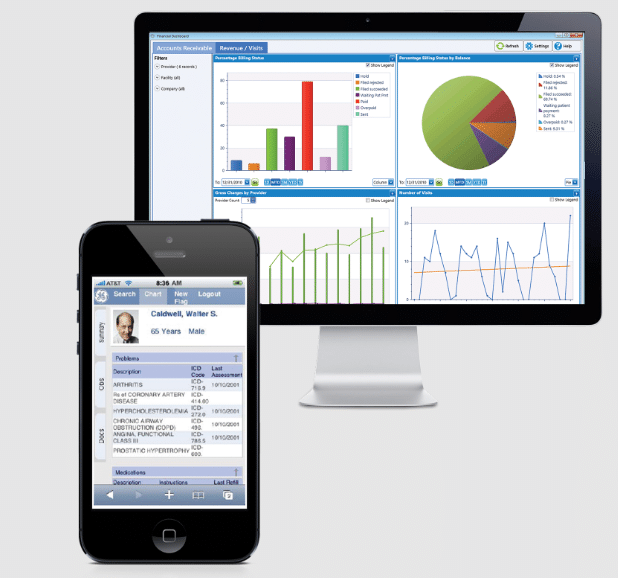
Here are a few visual examples of what IDX software for medical billing interfaces often look like:


Top IDX Software for Medical Billing to Consider
Here's my shortlist of the best IDX software for medical billing solutions:
Who Uses IDX Software for Medical Billing?
The following teams and organizations typically use IDX software for medical billing:
- Medical billing departments: Handle claims processing, payment posting, and patient invoicing.
- Multi-specialty clinics: Coordinate billing across diverse specialties with unique coding and compliance needs.
- Outpatient care centers: Manage high-volume billing for ambulatory services.
- Revenue cycle management teams: Oversee the entire billing, coding, and collections process.
- Healthcare administrators: Monitor financial performance, reporting, and compliance requirements.
- Federally qualified health centers (FQHCs): Track grants, reimbursements, and complex billing rules.
Key IDX Software for Medical Billing Benefits & Potential Business Impacts
Adopting IDX software for medical billing helps boost efficiency, reduce billing errors, improve revenue capture, and support compliance for medical organizations. While these solutions do require a financial investment and careful onboarding, the improvements in workflow speed and risk management can far outweigh initial costs and challenges.
Use this overview to understand the key benefits and risks of using IDX software for medical billing:
| Benefits | Risks |
|---|---|
| BenefitsReduces manual billing errors | RisksHigh upfront and subscription costs |
| BenefitsSpeeds up claims processing | RisksDisruption during system transitions |
| BenefitsImproves reimbursement consistency | RisksData migration challenges |
| BenefitsEnhances compliance tracking | RisksPotential data security vulnerabilities |
| BenefitsProvides transparent audit trails | RisksOngoing staff training needs |
| BenefitsCentralizes billing information | RisksRisk of vendor lock-in |
| BenefitsSupports performance reporting | RisksIntegration issues with existing tools |
IDX Software for Medical Billing Case Studies
This section highlights real-world case studies that show how implementing IDX software for medical billing impacted different healthcare organizations. See what changed from before to after adoption, so you can picture what these results might look like for your team.
Case Study: SIU Medicine's Implementation of athenaEDI Text to Pay
SIU Medicine implemented athenaEDI's Text to Pay application to create a cost-effective, secure, and patient-friendly solution for payment collection. Targeted dunning text messages increased patient payments for overdue balances while reducing days in accounts receivable, and payment plans are now initiated and managed directly by patients through the platform.
Here are the results of SIU Medicine's implementation of IDX software for medical billing:
- 167% revenue growth: Patient revenue grew from $75,000 to over $200,000 per month since adoption.
- 99% text delivery success rate: Patients can pay their balances directly from their cell phones.
- 58% of collections within 14 days: Collections improved, with the majority of payments received quickly after billing.
- 79% of collections within 45 days: The majority of total collections are now resolved well within standard billing cycles.
- Reduced AR days: Targeted text messages reduced days in accounts receivable.
- Eliminated manual payment posting: The platform replaced previously manual payment posting processes.
Case Study: CoxHealth's Implementation of medaptus Charge Pro
CoxHealth's business office relied on an IDX billing system while its clinics used a Cerner EHR, and the two systems' communication challenges created a manual back-office workflow that involved printing paper superbills for data entry into IDX. CoxHealth engaged medaptus to automatically review, queue, and hold charges generated in its Cerner EHR system prior to insurance billing.
Here are the results of CoxHealth's implementation of IDX software for medical billing:
- Reduced charge lag: Quantifiable gains were recorded, with the previous two-day grace period between the visit and superbill printing eliminated.
- 3–4 day reduction in system-wide charge lag: Charge lag dropped across the entire system, with some clinics billing on the same day of service.
- Eliminated paper superbills: The manual paper-based data entry workflow into IDX was replaced with automated charge transmission.
- Improved coding accuracy: The implementation revealed opportunities to engage providers in refining their coding decision-making process.
- Preserved physician workflow: medaptus was installed with no impact to physician workflow.
Core Features & Capabilities of IDX Software for Medical Billing
Expect these core features in IDX software for medical billing to help manage billing operations efficiently:
- Automated claims processing: Submits and tracks claims electronically, reducing manual workload and speeding up reimbursement.
- Patient billing and invoicing: Generates clear, detailed invoices for patients and manages automated reminders for outstanding balances.
- Insurance eligibility verification: Checks patient insurance details in real time to reduce claim denials and billing errors.
- Integrated payment processing: Accepts multiple payment types and posts payments directly to patient accounts for easier reconciliation.
- Denial management tools: Flags, organizes, and helps teams follow up on denied or underpaid insurance claims to improve collection rates.
- Compliance and coding support: Provides up-to-date code libraries and compliance checks to help avoid costly billing mistakes.
- Reporting and analytics: Delivers custom financial, operational, and audit-ready reports to inform business decisions and track performance trends.
- Audit trail documentation: Keeps detailed logs of all billing activities, supporting transparency and easier regulatory compliance.
IDX Software for Medical Billing Use Cases: Typical Processes & Workflows
IDX software for medical billing helps automate and manage key back-office processes like claims submission, payment posting, denial management, and patient invoicing. These systems centralize billing data, supporting faster claims cycles and fewer manual errors. With the right tool, your billing team can spend less time on repetitive tasks and more time resolving issues and supporting your practice’s financial health.
Use this table to understand how IDX software for medical billing supports essential processes for medical practice managers:
| Process | Description | How Software Helps |
|---|---|---|
| ProcessClaims Submission | DescriptionSending insurance claims for patient services rendered. | How Software HelpsAutomates claim generation, validation, and electronic submissions to reduce delays and errors. |
| ProcessPayment Posting | DescriptionRecording payments from insurers and patients into the billing system. | How Software HelpsSyncs payments directly from clearinghouses and bank deposits, eliminating manual data entry. |
| ProcessDenial Management | DescriptionIdentifying and resolving denied or underpaid claims. | How Software HelpsFlags denials, tracks follow-ups, and provides templates for appeals to recover lost revenue. |
| ProcessPatient Billing | DescriptionIssuing invoices and collecting payments from patients for balances owed. | How Software HelpsSends automated statements and payment reminders, offering online payment options for faster collections. |
| ProcessFinancial Reporting | DescriptionCompiling performance and compliance reports for internal and regulatory use. | How Software HelpsGenerates real-time custom reports on revenue, aging, and compliance, making audits and reviews more efficient. |
More Articles
Types of IDX Software for Medical Billing & Similar Tools
IDX software for medical billing is part of a broader ecosystem of healthcare billing and revenue cycle tools—here's how the most common types compare:
| Type | Differentiator |
|---|---|
| TypePractice management software | DifferentiatorCombines scheduling, patient records, and billing in one system |
| TypeMedical coding software | DifferentiatorFocuses specifically on assigning and validating diagnostic and procedure codes |
| TypeRevenue cycle management (RCM) software | DifferentiatorManages the full financial lifecycle from patient registration through final payment |
| TypeClearinghouse software | DifferentiatorTranslates and routes claims between providers and payers for eligibility and claims processing |
| TypePatient payment software | DifferentiatorHandles patient-facing billing, payment plans, and collections specifically |
IDX Software for Medical Billing: Ready to Find the Right Tool?
Now that you understand how IDX software for medical billing works, you can use that knowledge to compare your options confidently—explore the best medical billing software available today to find the right fit for your practice.