
Compulink Review: Pros, Cons, Features, and Pricing
Compulink brings EHR and medical practice management into one platform, from clinical charting and scheduling to billing, imaging, and specialty-specific workflow tools.

We review tools independently, and commissions help fund our testing. See our transparency policy, our methodology, or suggest a tool.
Compulink is a free EHR software built for specialty medical practices that need clinical documentation, scheduling, and billing tools in one system. I'd consider it over a more generic option like OpenEMR if you're running a specialty clinic—think optometry, dermatology, or behavioral health—and want built-in specialty-specific templates and workflows without heavy customization upfront.
Compulink Evaluation Summary
3.9/5
- Pricing upon request
- Free demo available
Why Trust Our Software Recommendations
6,700+
Reviews
20
Industry experts
16+
Evaluation factors
14
Years
Our team has been testing and reviewing software since 2012. As medical practice leaders ourselves, we know how difficult—and important—it is to choose the right software.
For this guide, we evaluated tools using hands-on testing and independent research, scoring tools using our selection criteria.
Our reviews reflect our human editorial judgment, not a sales pitch.
Compulink Overview
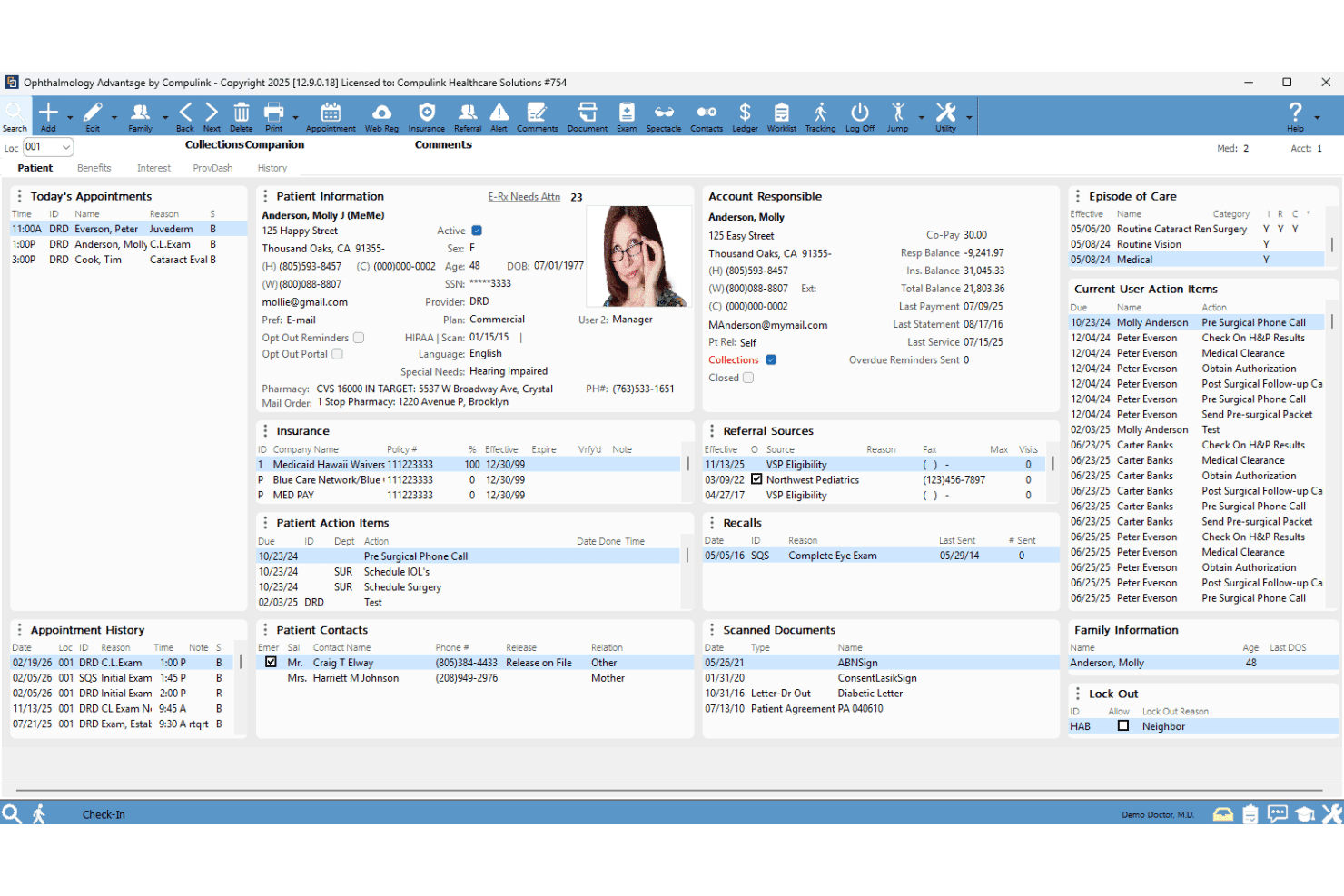
When judging Compulink against other EHR platforms, its specialty-focused features and deep workflow customization set it apart, especially for ophthalmology and therapy practices. Pricing can be a sticking point for budget-minded clinics, and onboarding may take longer than some expect, but the rich templates, responsive support, and broad integration options make it a strong contender.
If you’re selecting an EHR for a mid- to large-sized or specialty-focused group, I’d consider Compulink a top pick.
Pros
- Specialty content for eye care, therapy, and pain management.
- Robust reporting and analytics built into clinical workflows.
- Built-in telehealth with native patient communication features.
Cons
- Frequent software updates can disrupt established user workflows.
- Patient portal interface feels dated compared to many competitors.
- Multi-specialty practices may face complex configuration requirements.
Is Compulink Right For Your Needs?
Who Would be a Good Fit for Compulink?
Compulink works best for specialty practices and organizations that need deep customization, integrated optical or therapy tools, and broad practice management all in one place. Its large clinics, surgical centers, or groups juggling unique workflows and advanced reporting features stand to gain the most.
Multi-location practices or those needing built-in telehealth and inventory appreciate how much can be managed under one system.
- Ophthalmology ClinicsCompulink’s ophthalmology content, imaging integrations, and ASC modules are designed for detailed eye care workflows.
- Behavioral Health CentersSpecialty templates and flexible forms make documenting complex behavioral health cases much easier and more compliant.
- Multi-Specialty PracticesThe platform’s configurability supports different specialties and departments in a single, unified environment.
- Ambulatory Surgery CentersIntegrated ASC management tools for pre-op, intra-op, and post-op workflows streamline care beyond standard EHRs.
- Occupational Therapy OfficesTherapy-specific documentation and inventory modules fit the needs of rehabilitation and therapy clinics.
- Large Group PracticesRobust analytics, scheduling, and enterprise practice management handle high volumes with strong automation.
Who Would be a Bad Fit for Compulink?
Compulink isn’t ideal for solo providers, practices that want something very simple, or clinics with tight technology budgets. Organizations needing a modern, patient-friendly portal or those uninterested in deep customization may also struggle. Startups or teams with lightweight, general needs can find Compulink’s depth and complexity overkill.
- Solo PractitionersThe setup and feature set are more than most solo providers need and can be overwhelming.
- Small Pediatric OfficesThe learning curve and pediatric content options may be lighter compared to pediatric-focused alternatives.
- Home Health AgenciesCompulink lacks dedicated home health workflows and remote visit tracking specific to this audience.
- Startup Clinics Entry costs and system complexity can be excessive if you’re starting small and don’t need advanced features.Compulink’s limited reporting features might not meet your complex data needs.
- Dental PracticesDental-specific charting and billing aren’t a primary focus, making integration and usability subpar for dentistry.
- Cost-Conscious TeamsThe higher price point and paid add-ons may not fit clinics with limited budgets or minimal software needs.
How We Test & Score Tools
We’ve spent years building, refining, and improving our software testing and scoring system. The rubric is designed to capture the nuances of software selection and what makes a tool effective, focusing on critical aspects of the decision-making process.
Below, you can see exactly how our testing and scoring works across seven criteria. It allows us to provide an unbiased evaluation of the software based on core functionality, standout features, ease of use, onboarding, customer support, integrations, customer reviews, and value for money.
Core Functionality (25% of final scoring)
The starting point of our evaluation is always the core functionality of the tool. Does it have the basic features and functions that a user would expect to see? Are any of those core features locked to higher-tiered pricing plans? At its core, we expect a tool to stand up against the baseline capabilities of its competitors.
Standout Features (25% of final scoring)
Next, we evaluate uncommon standout features that go above and beyond the core functionality typically found in tools of its kind. A high score reflects specialized or unique features that make the product faster, more efficient, or offer additional value to the user.
We also evaluate how easy it is to integrate with other tools typically found in the tech stack to expand the functionality and utility of the software. Tools offering plentiful native integrations, 3rd party connections, and API access to build custom integrations score best.
Ease of Use (10% of final scoring)
We consider how quick and easy it is to execute the tasks defined in the core functionality using the tool. High scoring software is well designed, intuitive to use, offers mobile apps, provides templates, and makes relatively complex tasks seem simple.
Onboarding (10% of final scoring)
We know how important rapid team adoption is for a new platform, so we evaluate how easy it is to learn and use a tool with minimal training. We evaluate how quickly a team member can get set up and start using the tool with no experience. High scoring solutions indicate little or no support is required.
Customer Support (10% of final scoring)
We review how quick and easy it is to get unstuck and find help by phone, live chat, or knowledge base. Tools and companies that provide real-time support score best, while chatbots score worst.
Customer Reviews (10% of final scoring)
Beyond our own testing and evaluation, we consider the net promoter score from current and past customers. We review their likelihood, given the option, to choose the tool again for the core functionality. A high scoring software reflects a high net promoter score from current or past customers.
Value for Money (10% of final scoring)
Lastly, in consideration of all the other criteria, we review the average price of entry level plans against the core features and consider the value of the other evaluation criteria. Software that delivers more, for less, will score higher.
Core Features
Specialty-Specific Templates
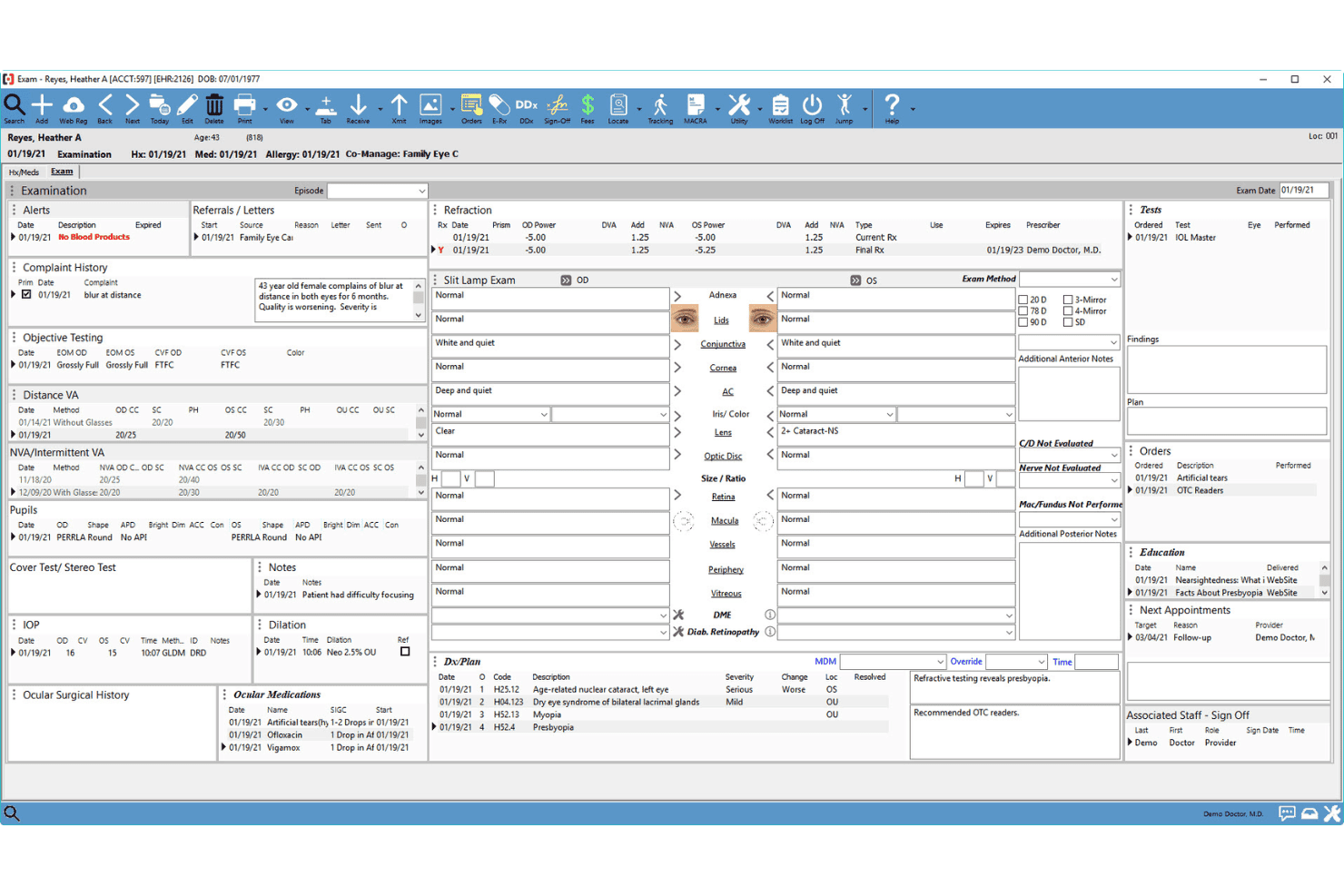
Compulink delivers templates tailored for ophthalmology, behavioral health, and other specialties. These save documentation time and meet unique clinical needs.
Practice Management
You get scheduling, billing, and claims management all in one system. This streamlines workflows from patient intake to reimbursement.
Telehealth
Compulink offers secure, integrated telehealth visits directly within the EHR. Patients join virtual appointments and messages through the portal.
Automated Reporting
Generate detailed practice analytics on performance, compliance, and outcomes. Built-in dashboards help staff spot trends and optimize care delivery.
Electronic Prescribing
This feature enables providers to send prescriptions electronically to pharmacies. It reduces errors and speeds up medication fulfillment.
Patient Portal
Give patients 24/7 access to their records, appointments, and secure messaging. They can view lab results and update forms before visits.
Standout Features
All-in-One Specialty Inventory Management
Compulink tracks inventory for optical, therapy, and surgical supplies in real time. You can automate reordering and link inventory directly to billing.
Visual Documentation Engine
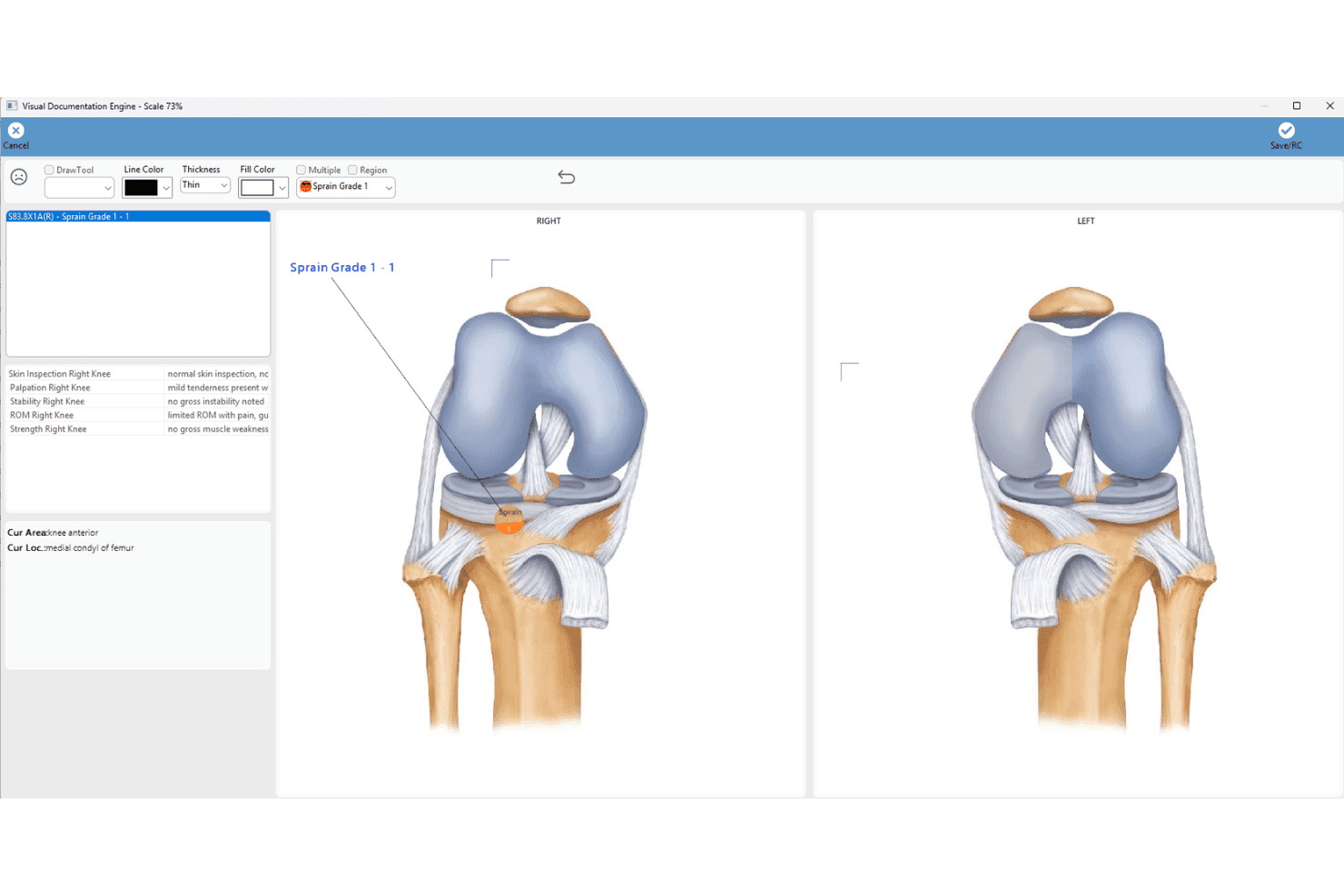
Compulink's Visual Documentation Engine streamlines the capture, annotation, and integration of medical images and videos throughout patient care. It supports multi-modality care for better diagnosis and treatment planning.
Ease of Use
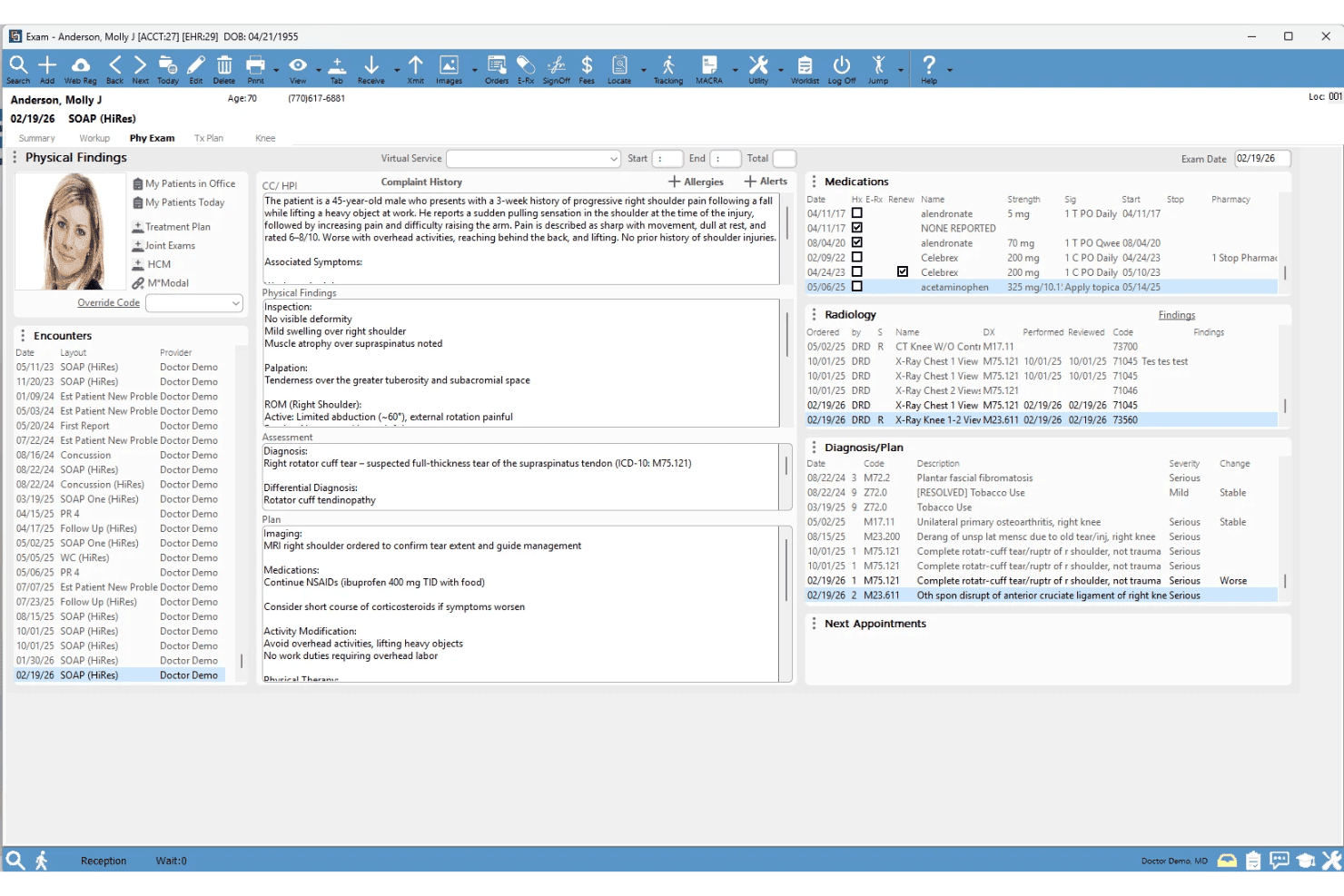
Compulink’s user interface feels dense at first, but its specialty-focused design and deep customization mean you can tailor workflows exactly to your needs. Some report the patient portal feels dated, but staff love the shortcut tools for charting.
I find the system’s drag-and-drop scheduling, customizable dashboards, and in-chart quick actions make daily tasks more efficient once you’re familiar with the layout.
Onboarding
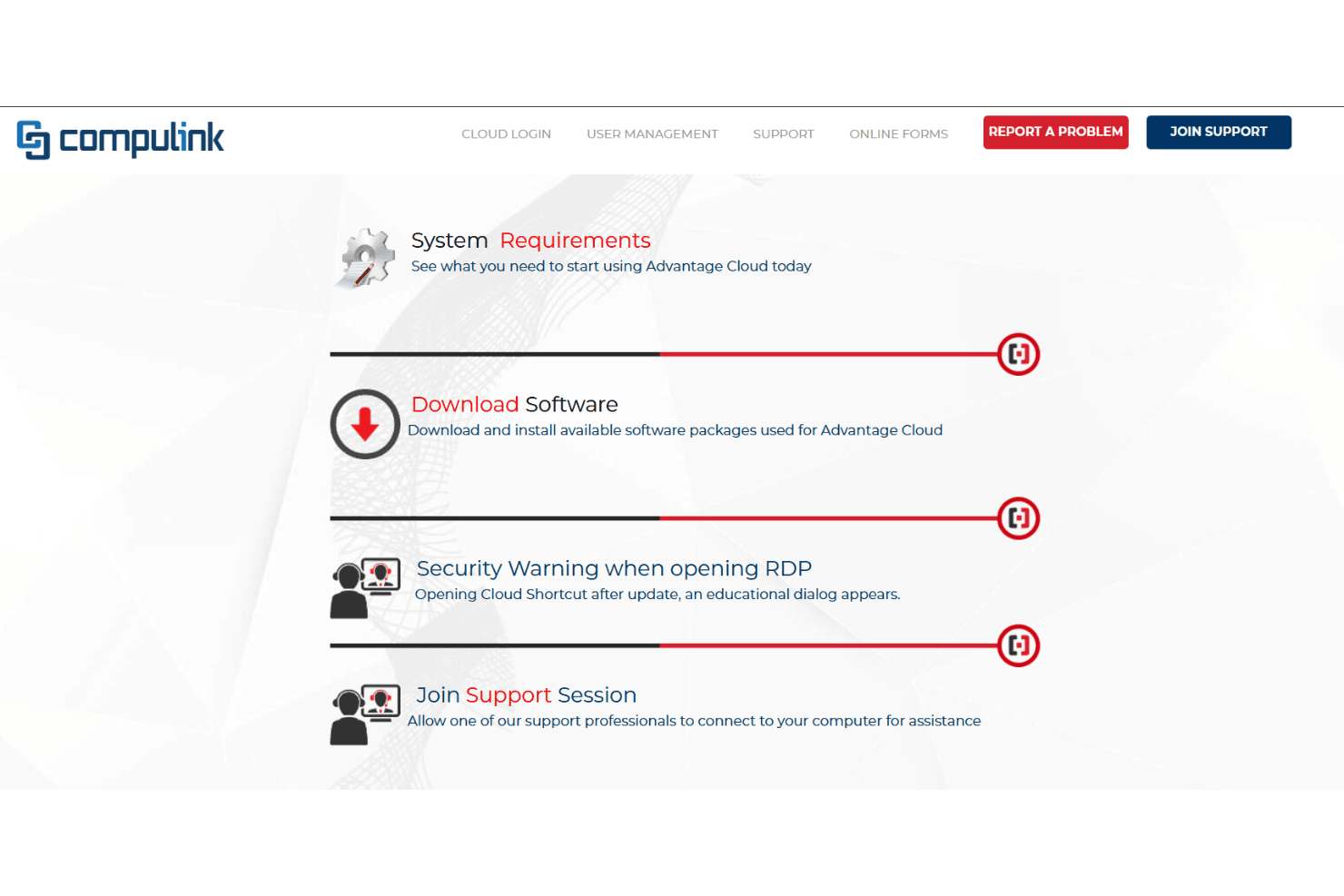
Onboarding with Compulink takes time because of its extensive configuration, but I think the dedicated training specialists and detailed help resources set you up for success.
Users appreciate the live support, webinars, and on-demand tutorials, though some mention that setup can be complex for multi-specialty groups.
Customer Support
Compulink’s customer support stands out with responsive phone assistance and specialized support teams for different medical fields. I’ve noticed many users report quick problem resolution and knowledgeable reps, though a few mention slower response times during upgrades.
Support tickets, training webinars, and a robust online knowledge base add layers of help for both admins and front-line staff.
Integrations
Compulink integrates with Surescripts, TriZetto, Change Healthcare, LabCorp, Quest Diagnostics, DrFirst, Waystar, ID.me, IMS, and RevSpring, among others.
Compulink also offers an open API for third-party connections and integrations.
Value for Money
Compulink Healthcare Solutions uses a fully customized, quote-based pricing model. Costs are tailored to each organization based on factors such as practice size, number of users, selected modules, and deployment preferences.
The pricing structure is modular and scalable, allowing practices to pay only for the features they need. While it sits on the higher end, many practices feel justified by the specialty content, broad feature set, and included support options.
However, smaller clinics might find costs add up quickly with advanced modules.
Compulink Specs
- API: Yes
- Appointment Scheduling: Yes
- Athlete Management: No
- Audit Management: No
- Calendar Management: Yes
- Compliance Tracking: No
- Customer Management: No
- Dashboard: Yes
- Data Export: Yes
- Data Import: Yes
- Data Visualization: Yes
- Electronic Prescribing: Yes
- External Integrations: Yes
- File Sharing: No
- File Transfer: No
- Health Management: Yes
- HIPAA Compliance: Yes
- Inventory Tracking: No
- Multi-User: Yes
- Notifications: Yes
- Organization Management: Yes
- Patient Management: Yes
- Project Management: No
- Regulatory Alerts: No
- Risk Assessment: No
- Scheduling: Yes
- Supplier Management: No
Compulink FAQs
Compulink Company Overview & History
Compulink Healthcare Solutions is headquartered in Newbury Park, California. The company was founded in 1985 by Dr. Link Wilson and remains privately owned. Compulink specializes in EHR and practice management platforms for specialties like ophthalmology, optometry, and behavioral health, supporting thousands of providers across the United States.
The company is known for its specialty focus, ongoing product innovation, and client-driven development.
Compulink Major Milestones
- 1985: Compulink founded by Dr. Link Wilson in California.
- 1987: First practice management and billing software released.
- 2003: Launch of EHR solution for eye care professionals.
- 2011: Expanded EHR platform to cover multiple medical specialties.
- 2018: Rolled out ASC Advantage to support ambulatory surgery centers.
- 2022: Launched expanded telehealth and advanced reporting capabilities.