


RXNT versus NextGen: Vergelijking en deskundige beoordelingen voor 2026
RXNT en NextGen zijn platforms voor elektronische medische dossiers en praktijkbeheer voor ambulante organisaties. Vergelijk hun functies, werkprocessen, ondersteuning en meest geschikte gebruikssituaties.

We review tools independently, and commissions help fund our testing. See our transparency policy, our methodology, or suggest a tool.
Specialty practices rarely struggle because they lack software. The real problem is finding a system that can keep documentation, scheduling, billing, and patient communication aligned without forcing every team into the same workflow.
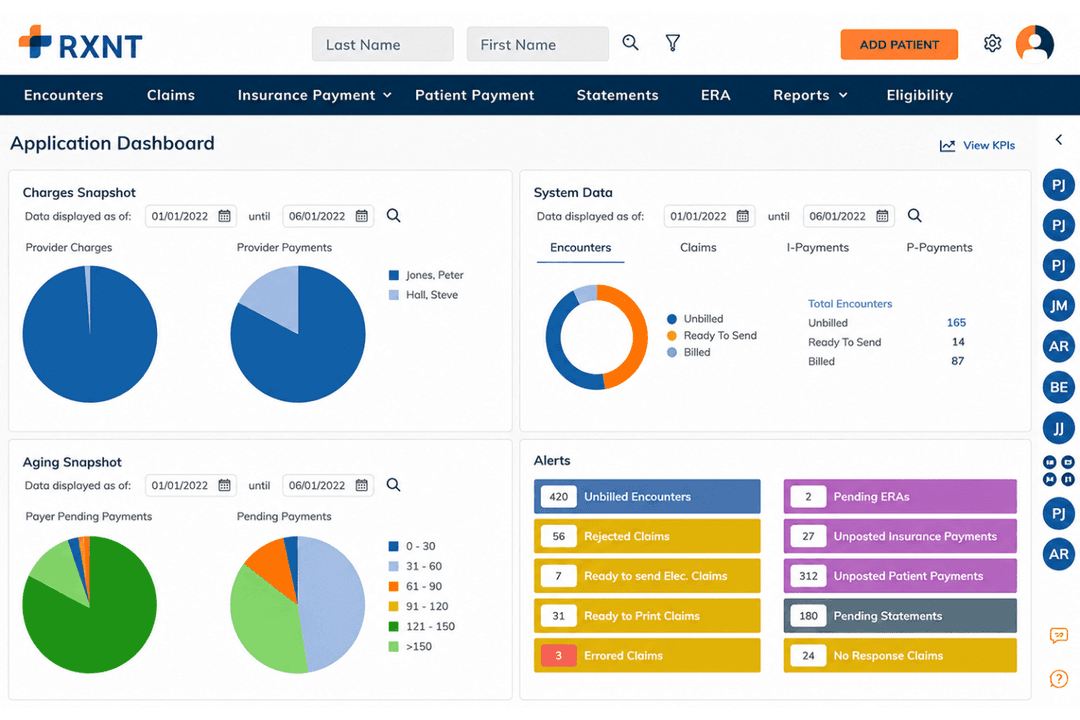
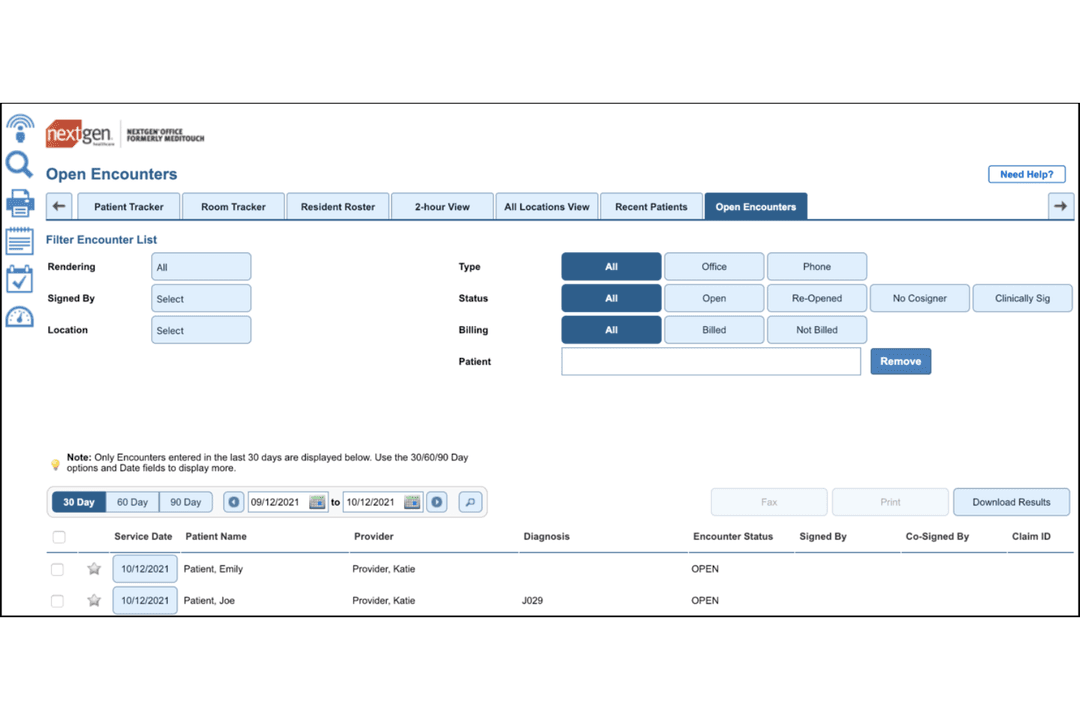
RXNT and NextGen are both EMR software platforms with practice management capabilities, but they approach that challenge differently. RXNT emphasizes an integrated suite that connects clinical and financial workflows, while NextGen centers its offering around configurable EHR and practice management tools for specialty practices.
In this comparison, I’ll examine their features, pricing, usability, security, strengths, limitations, and ideal use cases to help you decide which platform best matches how your practice delivers care and manages daily operations.
RXNT
4.3/5
- Free demo + free expert consultation available
- Pricing upon request
NextGen Healthcare EHR
3.7/5
- Free demo available
- Pricing upon request
Waarom u onze softwareaanbevelingen kunt vertrouwen
6,700+
Reviews
20
Industry experts
16+
Evaluation factors
14
Years
Ons team test en beoordeelt software sinds 2012. Als leiders van medische praktijken weten we zelf hoe moeilijk — en belangrijk — het is om de juiste software te kiezen.
Voor deze gids hebben we tools geëvalueerd met behulp van praktijktests en onafhankelijk onderzoek, waarbij we tools beoordeelden aan de hand van onze selectiecriteria.
Onze reviews weerspiegelen ons menselijke redactionele oordeel, geen verkooppraatje.
| RXNT | NextGen Healthcare EHR | |
|---|---|---|
| Free Trial | Free demo + free expert consultation available | Free demo available |
| Pricing | Pricing upon request | Pricing upon request |
Prijzen en verborgen kosten van RXNT versus NextGen Healthcare EHR
RXNT publiceert voorspelbare prijzen per zorgverlener voor de opties Volledige suite, Praktijkbeheer, EHR en elektronisch voorschrijven. Onboarding, gegevensmigratie, cloudtoegang, ondersteuning en regelmatige upgrades zijn inbegrepen. De meeste abonnementen vereisen echter een jaarcontract, terwijl uitbreidingen zoals EPCS, laboratoriuminterfaces, herinneringen voor patiënten, faxen en afgedrukte declaraties de totale kosten kunnen verhogen. NextGen vermeldt daarentegen de prijzen op aanvraag, waardoor praktijken contact moeten opnemen met de leverancier voor een offerte op basis van de geselecteerde producten, omvang, specialismen en implementatievereisten.
Daardoor is het met RXNT eenvoudiger om de aanvangskosten te schatten, terwijl bij NextGen meer vooronderzoek nodig is voordat u de volledige investering kunt vergelijken. Ongeacht welk platform u overweegt, moet u vóór ondertekening de contractduur, kosten per zorgverlener en gebruiker, reikwijdte van de implementatie, gegevensmigratie, training, interfaces, ondersteuning en optionele modules bevestigen.
| RXNT | NextGen Healthcare EHR | |
|---|---|---|
| API | Yes | Yes |
| Appointment Scheduling | Yes | Yes |
| Athlete Management | No | No |
| Audit Management | Yes | No |
| Calendar Management | Yes | Yes |
| Compliance Tracking | Yes | No |
| Customer Management | No | Yes |
| Dashboard | Yes | Yes |
| Data Export | Yes | Yes |
| Data Import | Yes | Yes |
| Data Visualization | No | No |
| Electronic Prescribing | Yes | Yes |
| External Integrations | Yes | Yes |
| File Sharing | Yes | Yes |
| File Transfer | Yes | Yes |
| Health Management | Yes | No |
| HIPAA Compliance | Yes | Yes |
| Inventory Tracking | No | No |
| Multi-User | Yes | Yes |
| Notifications | Yes | Yes |
| Organization Management | Yes | No |
| Patient Management | Yes | Yes |
| Project Management | No | No |
| Regulatory Alerts | Yes | No |
| Risk Assessment | Yes | No |
| Scheduling | Yes | Yes |
| Supplier Management | No | No |
| Integratie | RXNT | NextGen |
|---|---|---|
| IntegratieQuest Diagnostics | RXNT✅ | NextGen✅ |
| IntegratieLabCorp | RXNT✅ | NextGen✅ |
| IntegratieChange Healthcare | RXNT✅ | NextGen❌¹ |
| IntegratieSurescripts | RXNT✅ | NextGen✅ |
| IntegratieHealth e Link | RXNT✅ | NextGen❌¹ |
| IntegratieHealthCollab | RXNT✅ | NextGen❌¹ |
| IntegratieTriZetto | RXNT❌¹ | NextGen✅ |
| IntegratieTSYS | RXNT❌¹ | NextGen✅ |
| IntegratieFHIR- en API-connectiviteit | RXNT✅ | NextGen✅ |
¹ Niet openbaar vermeld
Zowel RXNT als NextGen ondersteunen de essentiële zorgverbindingen die nodig zijn om klinische gegevens, voorschriften, laboratoriumgegevens en factureringsgegevens tussen systemen uit te wisselen. RXNT richt zich op praktische connectiviteit voor poliklinische workflows via laboratoriuminterfaces, uitwisselingsdiensten voor gezondheidsinformatie, clearinghouse-diensten en FHIR-mogelijkheden, terwijl NextGen een breder API-ecosysteem biedt voor praktijken met complexere integratievereisten. Beide voorzien in essentiële interoperabiliteitsbehoeften, maar RXNT geeft de voorkeur aan direct inzetbare zorgverbindingen, terwijl NextGen technische teams meer ruimte biedt om aangepaste integraties te bouwen en te beheren.
| Factor | RXNT | NextGen |
|---|---|---|
| FactorHIPAA en certificeringen | RXNTVoldoet aan HIPAA, met SOC 2 Type II-gecertificeerde datacenters, door ONC gecertificeerde IT voor de gezondheidszorg, door Surescripts en EPCS gecertificeerde voorschrijfsoftware en ondersteuning voor MACRA, MIPS en MVP's. | NextGenVoldoet aan de HIPAA-vereisten en beschikt voor toepasselijke producten en diensten over ISO 27001-, HITRUST CSF-, SOC 2 Type II- en SOC 3-certificeringen of audits. |
| FactorGegevensbescherming | RXNTBeschermt patiënt- en praktijkgegevens door middel van versleuteling, beheer van kwetsbaarheden, regelmatige beveiligingsbeoordelingen en Azure Cloud Defender voor actieve detectie en respons op bedreigingen. | NextGenVersleutelt gehoste gegevens wanneer deze zijn opgeslagen en tijdens overdracht en past kwetsbaarheidsscans, beveiligingstests, patchbeheer en veilige ontwikkelingscontroles toe. |
| FactorToegang en monitoring | RXNTMaakt gebruik van authenticatie, toegangscontroles, auditmogelijkheden en beveiligingsbeleid voor de hele organisatie om de toegang tot beschermde gezondheidsinformatie te beperken en systeemactiviteiten te volgen. | NextGenMaakt gebruik van op rollen gebaseerde machtigingen, wachtwoordauthenticatie, audittrails en monitoring van activiteitenlogboeken om de toegang tot gehoste gegevens te beheren en te beoordelen. |
| FactorBeveiligingsbeheer en respons | RXNTOnderhoudt een voortdurend evoluerend beveiligingsprogramma met beoordelingen van kwetsbaarheden, monitoring van bedreigingen en responsprocessen die zijn ontworpen om opkomende risico's in de gezondheidszorg aan te pakken. | NextGenPast formeel beveiligingsbeheer, procedures voor incidentrespons, risicobeoordelingen en veilige ontwikkelingscontroles toe voor toepasselijke producten en diensten. |
| FactorBetrouwbaarheid en herstel | RXNTLevert automatische cloudupdates en beveiligingspatches en past de controles voortdurend aan om nieuwe bedreigingen, kwetsbaarheden en vereisten voor naleving in de gezondheidszorg aan te pakken. | NextGenMaakt gebruik van AWS-infrastructuur, gegevensreplicatie, back-ups, snapshots, bedrijfscontinuïteitsplanning en processen voor noodherstel om systeembeschikbaarheid en gegevensherstel te ondersteunen. |
Over het geheel genomen legt RXNT de nadruk op naleving die specifiek is voor de gezondheidszorg, SOC 2 Type II-gecertificeerde datacenters, actieve detectie van bedreigingen via Azure Cloud Defender en automatische cloudupdates die de beveiligingscontroles actueel houden zonder serveronderhoud aan de praktijk toe te voegen. NextGen steunt op bredere beveiligingskaders voor ondernemingen, gedetailleerde toegangsmonitoring en op AWS gebaseerde back-up- en noodherstelprocessen die zijn ontworpen voor operationele veerkracht. Beide bieden een sterke beveiligingsbasis, maar RXNT lijkt nauwer aan te sluiten bij de dagelijkse behoeften van ambulante praktijken, terwijl NextGen prioriteit geeft aan uitgebreide documentatie over beheer en redundantie van de infrastructuur.
| Factor | RXNT | NextGen |
|---|---|---|
| FactorDagelijkse werkprocessen | RXNTHoudt verslaglegging, voorschrijven, planning, patiëntbetrokkenheid en facturering in één systeem, hoewel de gestructureerde processen beperkend kunnen aanvoelen voor praktijken met sterk aangepaste werkprocessen. | NextGenBiedt configureerbare, specialisme-specifieke inhoud voor meer dan 2.000 klinische werkprocessen, waardoor teams meer flexibiliteit krijgen, maar ook meer opties moeten leren en beheren. |
| FactorImplementatie | RXNTOmvat een gezamenlijke start, gratis gegevensmigratie, het instellen van aangepaste sjablonen, trainingsbronnen en toegewijde ondersteuning zonder afzonderlijke implementatiekosten. | NextGenMaakt gebruik van implementatieconsultants om het systeem rond de praktijk te configureren, gevolgd door online modules, praktische oefeningen en sessies onder leiding van trainers. |
| FactorAanpassing | RXNTStelt teams in staat klinische sjablonen, formulieren, rapporten en documentatie aan te passen aan hun specialisme, hoewel diepgewortelde processen mogelijk nog steeds compromissen vereisen. | NextGenBiedt uitgebreide configuratie per specialisme en training in werkprocessen die specifiek zijn voor de organisatie, waardoor het systeem aanpasbaar is, maar mogelijk meer werk vergt om in te stellen. |
| FactorDoorlopende ondersteuning | RXNTBiedt gratis ondersteuning vanuit de VS via toegewijde teams voor klinische zaken en praktijkbeheer, naast artikelen in het Helpcentrum, interactieve handleidingen en videolessen. | NextGenBiedt vanuit de VS bediende ondersteuningslijnen, een Succescommunity voor het indienen van cases en toegang tot documentatie, trainingsbronnen en een online leercentrum. |
Wat gebruiksgemak betreft, kiest RXNT voor een begeleide, praktische ervaring, met inbegrepen gegevensmigratie, het instellen van aangepaste sjablonen, trainingsbronnen en nauw verbonden klinische en financiële werkprocessen, waardoor er minder tussen systemen hoeft te worden gewisseld. NextGen biedt een beter configureerbare omgeving die is opgebouwd rond specialisme-specifieke werkprocessen. Dit geeft praktijken meer controle, maar vereist vooraf meer instellingen, training en proceskeuzes. Praktijken die een gestructureerde implementatie en brede functionaliteit willen zonder meerdere producten aan elkaar te hoeven koppelen, zullen RXNT mogelijk toegankelijker vinden, terwijl praktijken die bereid zijn te investeren in diepgaandere configuratie de flexibiliteit van NextGen wellicht waarderen zodra het systeem operationeel is.
RXNT
- Connects EMR, e-prescribing, scheduling, billing, and patient engagement workflows
- Includes hands-on onboarding, free data migration, and custom template setup
- Supports more than 45 specialties and ambulatory organizations of all sizes
- Limited customization may restrict established documentation and billing processes
- New releases may occasionally introduce bugs or temporary instability
- Not designed for hospitals, inpatient facilities, dental offices, or some urgent care settings
NextGen Healthcare EHR
- Specialty templates for different practice types are robust.
- Patient portal supports direct messaging and online scheduling.
- Reporting tools offer granular and customizable data views.
- System can lag during peak usage hours.
- Mobile app lacks some desktop features.
- Initial setup requires significant support and resources.
RXNT
- Healthcare ProfessionalsIndividual providers can use RXNT to manage documentation, prescribing, scheduling, patient communication, and billing without relying on a separate product for each task.
- Ambulatory Care OrganizationsThe platform is built around outpatient workflows, including patient records, appointments, prescriptions, claims, and everyday practice operations.
- Primary Care ProvidersPrimary care organizations can use RXNT for charting, medication management, preventive care documentation, patient engagement, and billing across a broad range of routine encounters.
- Mental and Behavioral Health ProvidersPsychiatry, mental health, and behavioral health organizations can manage documentation, prescribing, scheduling, patient communication, and reimbursement workflows within the system.
- Multi-Specialty and Multi-Location OrganizationsConnected patient records, scheduling, billing, and administrative tools can help larger ambulatory groups coordinate care across different specialties and locations.
- Medical Billing CompaniesBilling companies and central billing offices can use RXNT to manage claims, payments, accounts receivable, reporting, and revenue cycle workflows for multiple healthcare clients.
NextGen Healthcare EHR
- Multi-Specialty PracticesNextGen’s deep specialty templates and adaptable workflows help multi-specialty groups manage diverse documentation and regulatory requirements in one unified system.
- Large Medical GroupsThe platform supports complex scheduling, reporting, and revenue cycle management at scale, making it well-suited for large clinics or health systems.
- Federally Qualified Health CentersBuilt-in compliance and population health tools are tailored for FQHCs that need to track quality metrics and meet reporting mandates.
- Behavioral Health DepartmentsI’ve seen its specialty content, telehealth, and secure messaging streamline workflows for behavioral health teams.
- Revenue Cycle TeamsAdvanced billing, claims tracking, and real-time eligibility features help streamline revenue cycle operations for dedicated financial and billing personnel.
- Custom Workflow EnvironmentsOrganizations that want to build and automate unique patient flow or intake processes benefit from NextGen’s workflow automation designer.
Wie zou RXNT moeten gebruiken en wie NextGen Healthcare EHR?
Als u op zoek bent naar een EMR die klinische documentatie, voorschrijven, planning, patiëntbetrokkenheid, facturering en praktijkbeheer samenbrengt in één geïntegreerde suite, is RXNT waarschijnlijk de betere keuze voor uw praktijk. Het werkt goed voor poliklinische organisaties van verschillende omvang en met verschillende specialismen, vooral voor organisaties die waarde hechten aan voorspelbare prijzen, inbegrepen introductiebegeleiding, gratis datamigratie en ondersteuning vanuit de VS, zonder dat ze meerdere afzonderlijke producten hoeven samen te stellen.
Als u daarentegen behoefte hebt aan diepgaandere configuratie per specialisme, geavanceerde workflowautomatisering en uitgebreidere rapportage voor complexe teams of locaties, is NextGen mogelijk de sterkere keuze. Het is zeer geschikt voor praktijken met meerdere specialismen, grote medische groepen, afdelingen voor geestelijke gezondheidszorg, teams die zich bezighouden met declaratie- en betalingsprocessen en praktijken die bereid zijn meer tijd te investeren in configuratie en training.
| RXNT | NextGen Healthcare EHR | |
|---|---|---|
| Implementation | RXNT Includes hands-on onboarding, free data migration, custom templates, and training resources within the subscription. | NextGen Healthcare EHR Uses implementation consultants, system configuration, online learning, and trainer-led sessions for a more tailored rollout. |
| Integration Strategy | RXNT Prioritizes ready-to-use healthcare connections through labs, prescribing networks, clearinghouses, HIEs, and FHIR exchange. | NextGen Healthcare EHR Provides a broader API and interface environment for practices managing more extensive or customized connections. |
| Platform Approach | RXNT Combines EHR, e-prescribing, scheduling, patient engagement, billing, practice management, and AI documentation within one integrated suite. | NextGen Healthcare EHR Centers its EHR and practice management tools around configurable, specialty-specific clinical and operational workflows. |
| Pricing | RXNT Publishes predictable per-provider pricing, with onboarding, migration, support, and upgrades included, though add-ons can raise the total cost. | NextGen Healthcare EHR Uses custom quotes based on selected products, specialty needs, implementation scope, and practice requirements. |
| Workflow Flexibility | RXNT Supports custom templates and workflows but may feel restrictive for practices with deeply established documentation or billing processes. | NextGen Healthcare EHR Offers deeper specialty configuration and workflow automation, though teams should expect more setup and training. |
| Ambulatory Care | Both support outpatient practices with multiple providers, locations, and specialties, combining clinical documentation, scheduling, patient engagement, and billing tools for day-to-day operations. |
|---|---|
| Clinical Documentation | Both provide electronic patient records, encounter documentation, customizable clinical templates, order management, and tools for maintaining longitudinal patient histories. |
| Electronic Prescribing | Both support electronic prescriptions, medication histories, allergy and interaction checks, formulary information, prior authorization workflows, and controlled-substance prescribing. |
| Patient Engagement | Both give patients access to portals, secure communication, appointment-related tools, health information, forms, and other self-service capabilities outside the clinical visit. |
| Practice Management | Both connect scheduling, eligibility verification, claims, payments, accounts receivable, reporting, and other administrative workflows with clinical activity. |