

Why Trust Our Software Recommendations
6,700+
Reviews
20
Industry experts
16+
Evaluation factors
14
Years
Our team has been testing and reviewing software since 2012. As medical practice leaders ourselves, we know how difficult—and important—it is to choose the right software.
For this guide, we evaluated tools using hands-on testing and independent research, scoring tools using our selection criteria.
Our reviews reflect our human editorial judgment, not a sales pitch.
Tabel comparativ: companii de dezvoltare software pentru domeniul sănătății
Comparați, unul lângă altul, detaliile companiilor de dezvoltare software pentru domeniul sănătății care au ajuns pe lista mea scurtă.
Score legend (out of 5)
- Excellent4.5–5
- Good4–4.4
- Average3–3.9
- Below average2–2.9
- Poor1–1.9
Sorted by: Default
| Service | Starting Price | Website | |||||||
|---|---|---|---|---|---|---|---|---|---|
Best for FDA-class medical device software builds | 4.3 out of 5 | 4 | 5 | 4 | 4 | 5 | 4 | Pricing upon request Not available | Website |
Best for connecting apps to multiple EHR systems | 4.2 out of 5 | 4 | 4 | 5 | 4 | 5 | 3 | Pricing upon request Not available | Website |
Best for RPM and telehealth product builds | 4.2 out of 5 | 4 | 4 | 4 | 4 | 5 | 4 | Pricing upon request Free consultation available | Website |
Best for AI-driven digital health product builds | 4.0 out of 5 | 4 | 4 | 4 | 4 | 5 | 3 | Pricing upon request Not available | Website |
Best for behavioral health and EHR integration builds | 4.0 out of 5 | 4 | 3 | 4 | 5 | 5 | 3 | Pricing upon request Not available | Website |
Best for medical device and SaMD regulatory filings | 4.8 out of 5 | 5 | 5 | 5 | 4 | 5 | 5 | Pricing upon request Free demo available | Website |
Best for AI-powered clinical app builds at scale | 3.8 out of 5 | 4 | 4 | 4 | 3 | 5 | 3 | Pricing upon request Not available | Website |
Best for MedTech and SaMD regulatory builds | 4.5 out of 5 | 4 | 4 | 5 | 4 | 5 | 5 | Pricing upon request Not available | Website |
Best for FDA-cleared and EHR-integrated builds | 4.0 out of 5 | 4 | 4 | 4 | 3 | 5 | 4 | Pricing upon request Not available | Website |
Best for hospital EHR and FHIR integration builds | 3.8 out of 5 | 3 | 3 | 4 | 4 | 5 | 4 | Pricing upon request Not available | Website |


Recenzii ale companiilor de dezvoltare software pentru domeniul sănătății
Mai jos sunt rezumatele mele detaliate ale celor mai bune companii de dezvoltare software pentru domeniul sănătății care au ajuns pe lista mea scurtă. Recenziile mele oferă o perspectivă detaliată asupra capacităților, integrărilor cu EHR și punctelor forte în materie de conformitate ale fiecărui furnizor, pentru a vă ajuta să îl găsiți pe cel mai potrivit pentru dumneavoastră.
 Best for FDA-class medical device software builds
- Not available
- Pricing upon request
Visit WebsiteCustomer Rating:4.8/5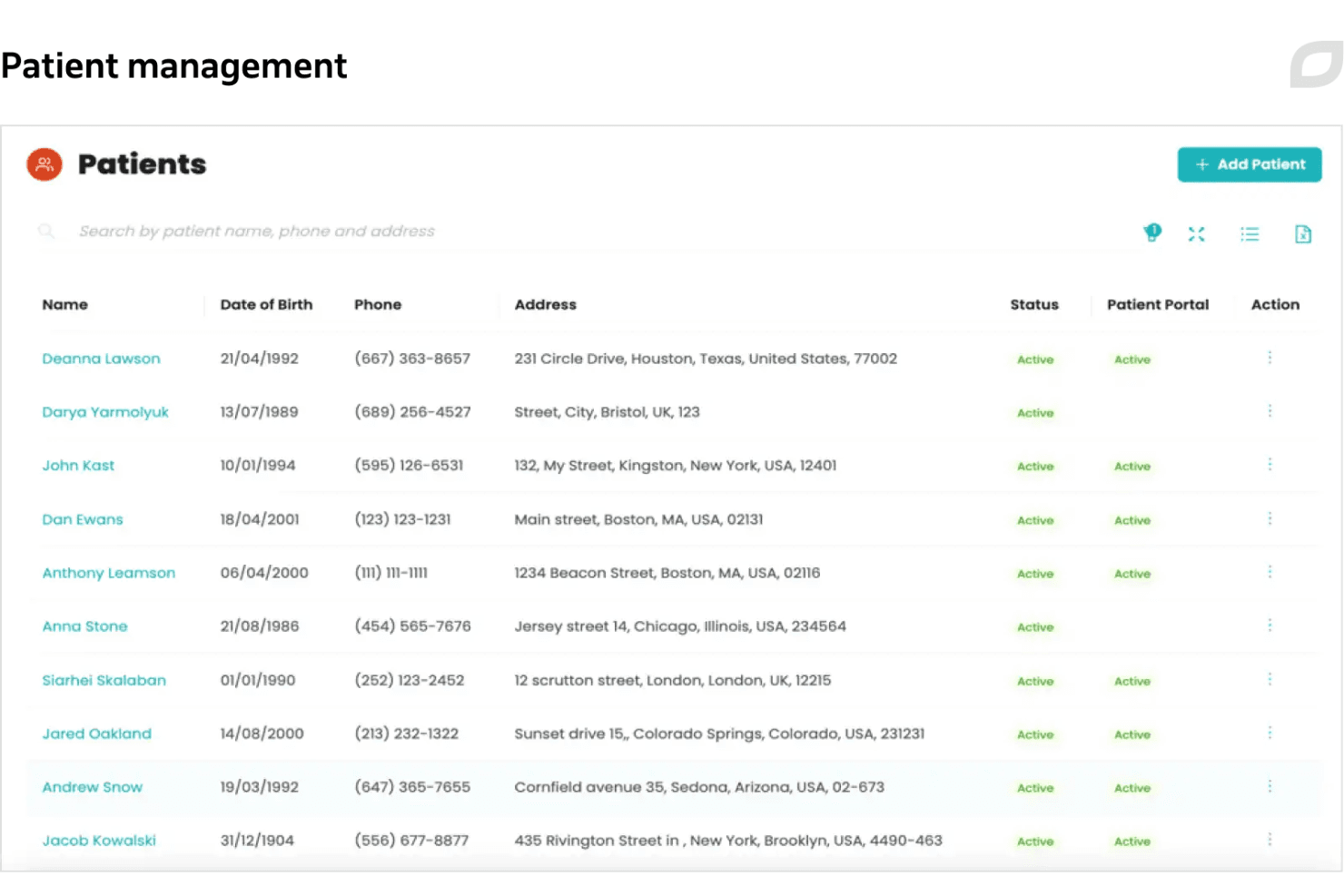
Itransition's healthcare platform features a searchable patient list. Itransition is a healthcare software development company that delivers custom clinical, administrative, and operational solutions—spanning EHR/EMR systems, medical device software, telehealth platforms, and health data integration.
Who Is Itransition Best For?
Itransition is a strong fit for medical device manufacturers and health tech companies that need custom software built to meet FDA regulatory standards.
Why I Picked Itransition
I picked Itransition because it's one of the few development partners that takes FDA regulatory requirements seriously from day one. Their teams build software under IEC 62304 lifecycle standards and support the full design controls process required for FDA 510(k) or De Novo submissions. I've seen device manufacturers lose months to rework when compliance is bolted on late, and Itransition's approach of embedding regulatory structure into the development process directly addresses that.
Itransition Key Features
- HL7/FHIR integration: Connects EHRs, labs, pharmacy, and billing systems using standardized healthcare data protocols.
- HIPAA-compliant architecture: Applies encryption, access controls, and audit logging across the development lifecycle to protect PHI.
- Legacy system modernization: Migrates outdated hospital and practice-management systems to cloud-native platforms without disrupting care delivery.
- Clinical QA and validation testing: Runs structured testing cycles, including security and regulatory validation, before deployment.
Pros and Cons
Pros:
- Experienced across EHR, telehealth, and device software
- Strong clinical QA and validation testing process
- Builds to IEC 62304 and FDA regulatory standards
Cons:
- Project timelines can run long for complex builds
- No fixed pricing or transparent cost structure
Learn more about Itransition: Best for connecting apps to multiple EHR systems
- Not available
- Pricing upon request
Visit WebsiteCustomer Rating:5/5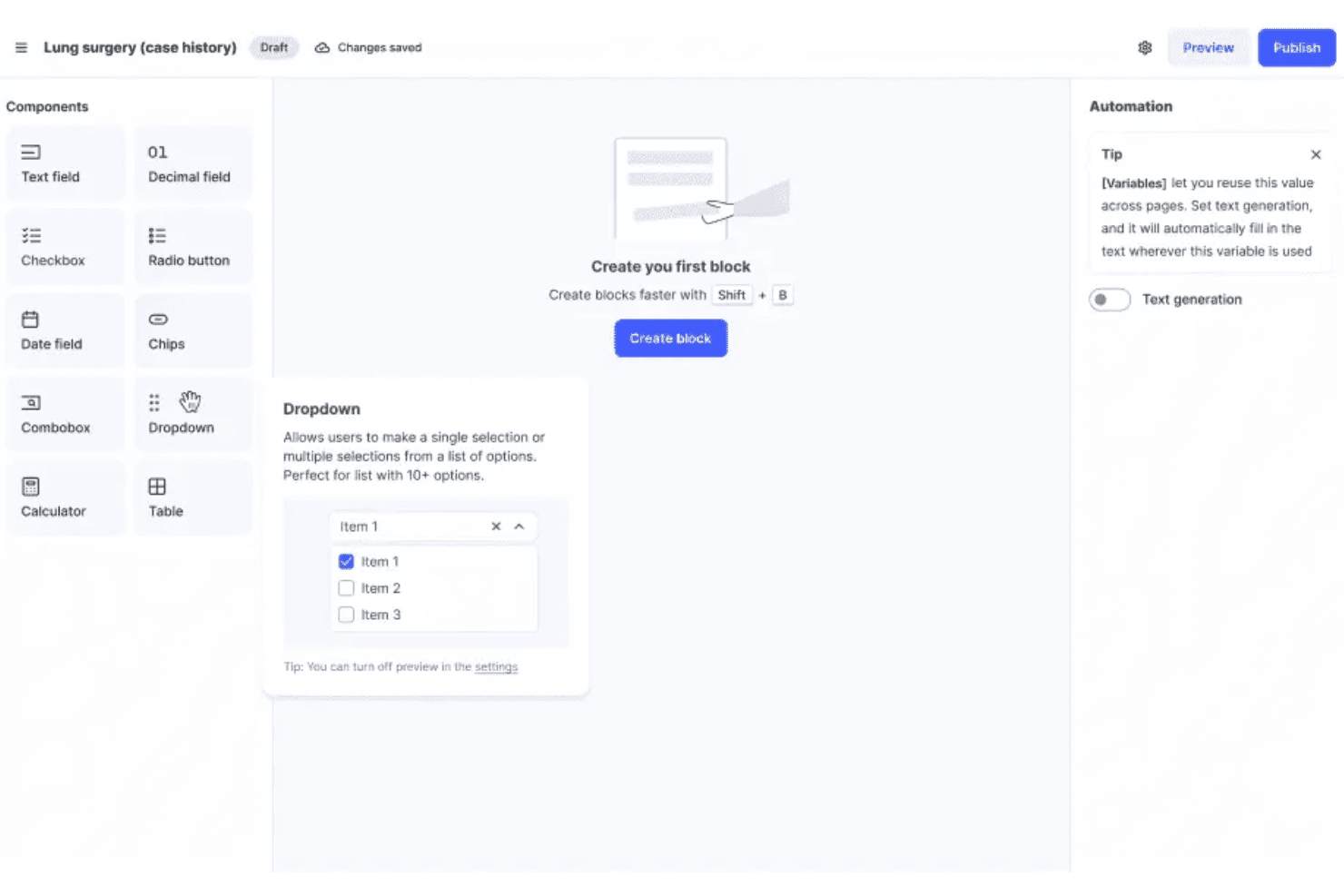
TechMagic's Tiro.Health project features a configurable medical form builder. TechMagic is a healthcare software development company that specializes in building custom clinical and patient-facing applications, with a focus on EHR integration, telemedicine platforms, and health data interoperability.
Who Is TechMagic Best For?
TechMagic is a strong fit for healthcare organizations that need custom software built to integrate with multiple EHR systems across complex or fragmented infrastructure.
Why I Picked TechMagic
TechMagic earns its spot on my shortlist because of how it handles multi-EHR connectivity, which is one of the hardest problems to solve in healthcare software. I've seen projects stall for months trying to reconcile HL7 FHIR and legacy HL7 v2 feeds across different hospital systems, and TechMagic builds with both standards in mind from the start. Their teams also work across Epic, Cerner, and Allscripts environments, so there's no ramp-up time spent reverse-engineering EHR-specific APIs.
TechMagic Key Features
- HIPAA-compliant architecture: Builds secure, access-controlled systems with audit logging to protect PHI throughout development.
- Dedicated engineering teams: Assigns named, healthcare-focused developers rather than rotating contractors for continuity across projects.
- Cloud-native deployment: Supports AWS, Azure, and Google Cloud environments with HIPAA-eligible hosting configurations.
- QA and validation testing: Runs structured security, functional, and compliance testing before releasing clinical software.
Pros and Cons
Pros:
- Dedicated teams stay consistent across the project
- Builds with HL7 FHIR and legacy HL7 v2
- Experienced across Epic, Cerner, and Allscripts environments
Cons:
- Limited capacity for large enterprise projects
- No fixed pricing or public rate transparency
Learn more about TechMagic: Best for RPM and telehealth product builds
- Free consultation available
- Pricing upon request
Visit WebsiteCustomer Rating:5/5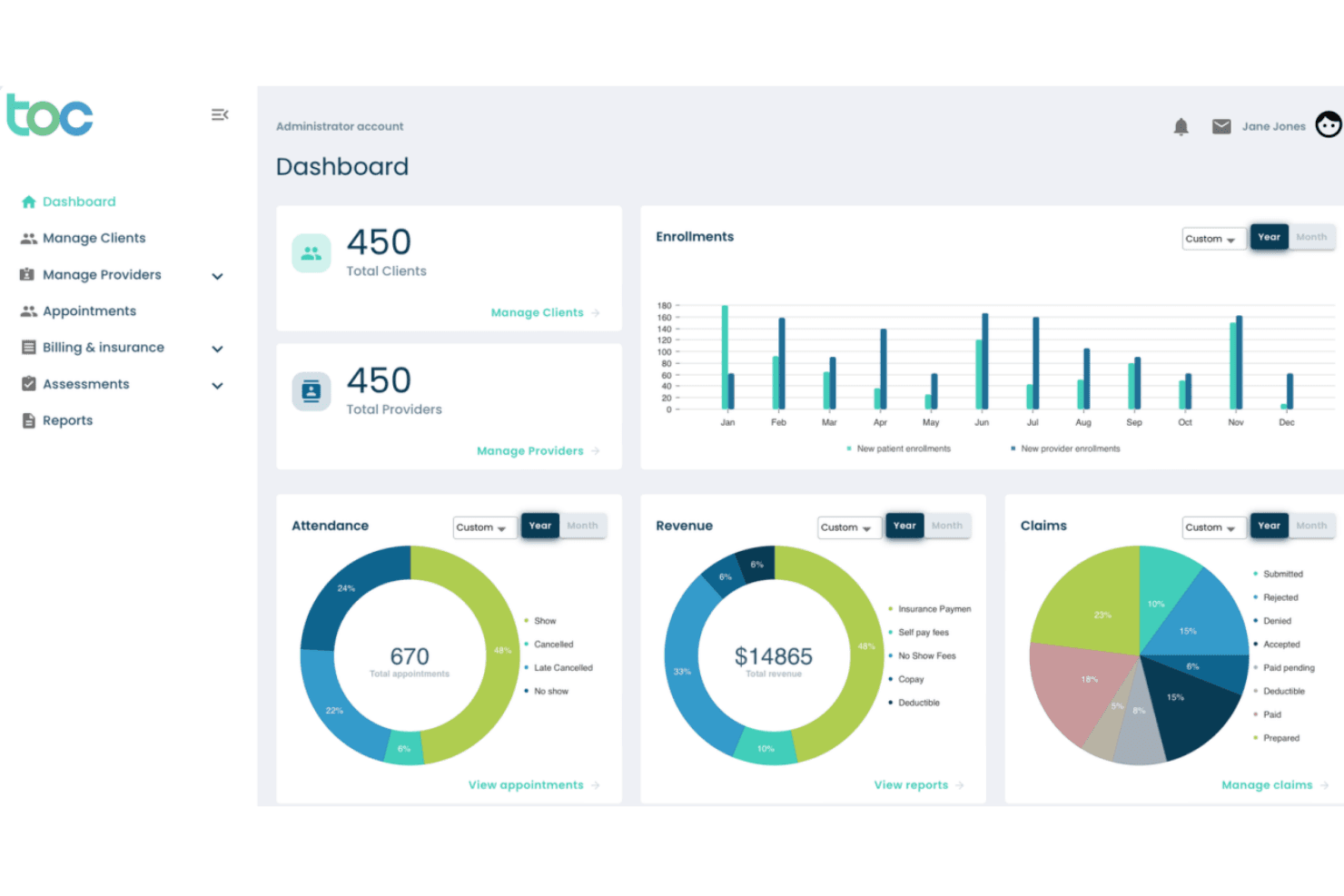
Empeek's healthcare CRM supports patient and provider management. Empeek is a custom healthcare software development company specializing in building telehealth platforms, remote patient monitoring systems, EHR integrations, and health data solutions for digital health startups and medical organizations.
Who Is Empeek Best For?
Empeek is a strong fit for digital health startups and medical organizations that need a development partner to build RPM or telehealth platforms from the ground up.
Why I Picked Empeek
I picked Empeek because it's one of the few development partners that specializes specifically in RPM and telehealth builds rather than treating them as one service among many. I've seen their work span device integration for continuous vitals monitoring and HIPAA-compliant video consultation platforms built to clinical workflow specs. Their focus on HL7/FHIR-based EHR connectivity means RPM data flows directly into existing clinical records without manual reconciliation.
Empeek Key Features
- HL7/FHIR integration: Connects new builds with EHRs, labs, pharmacies, and billing systems for data exchange.
- HIPAA compliance audits: Reviews architecture, access controls, and data flows against HIPAA requirements before launch.
- Dedicated engineering pods: Assigns named developers, QA engineers, and business analysts to each client engagement.
- Clinical validation testing: Runs structured QA cycles that include compliance and safety checks for patient-facing tools.
Pros and Cons
Pros:
- Strong delivery record with clinical-grade QA cycles
- Competitive rates compared with US firm
- Deep focus on RPM and telehealth builds specifically
Cons:
- Limited advanced AI and ML capabilities
- Limited capacity for large-scale projects
Learn more about Empeek: Best for AI-driven digital health product builds
- Not available
- Pricing upon request
Visit WebsiteCustomer Rating:4.9/5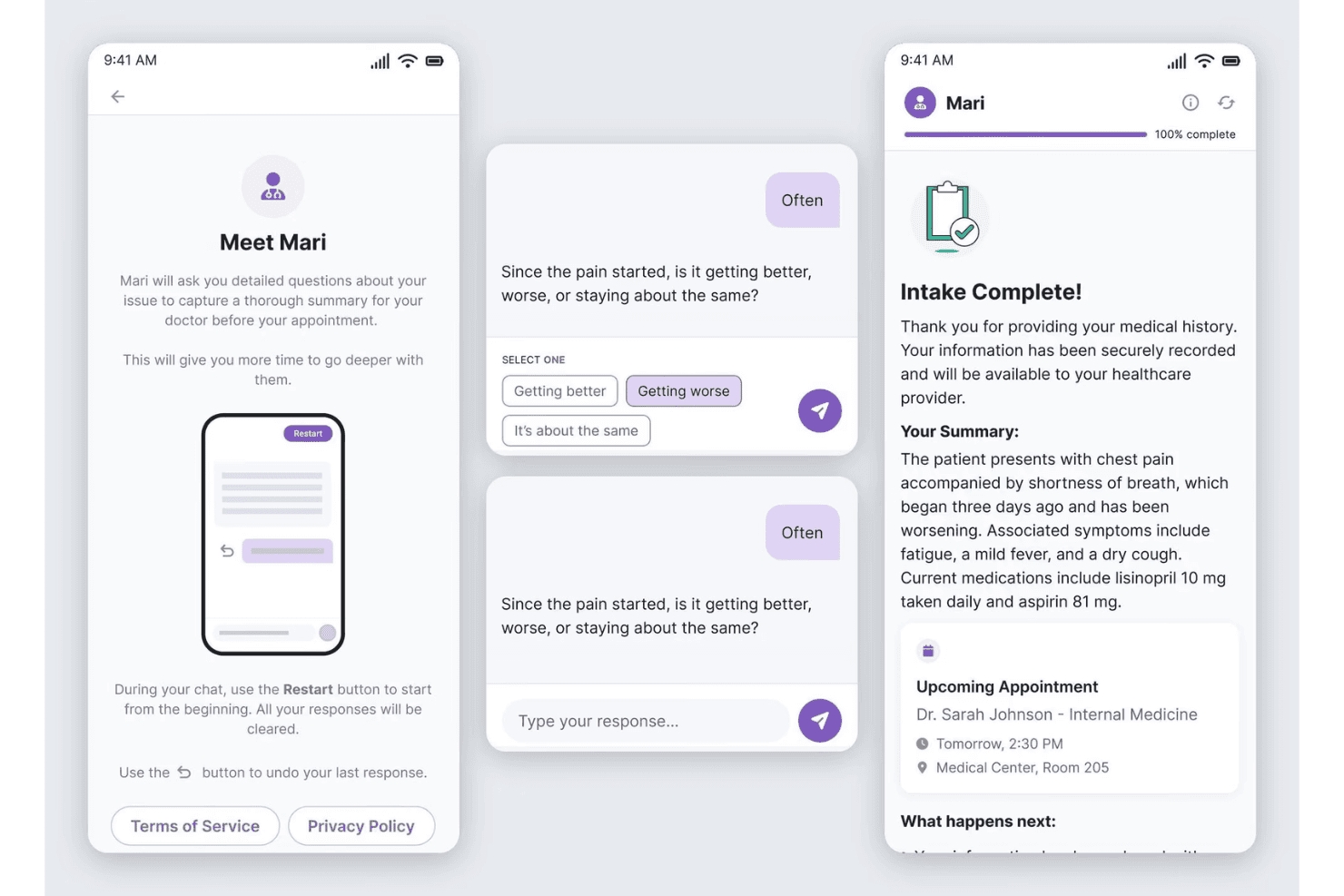
Topflight Apps builds AI intake chatbots that summarize patient symptoms for doctors. Topflight Apps is a healthcare software development company specializing in AI-powered mobile and web app design and development, including EHR integrations, telemedicine platforms, and FDA-regulated digital health products.
Who Is Topflight Apps Best For?
Topflight Apps is a strong fit for digital health startups and healthcare organizations that need a development partner to build AI-powered, FDA-compliant mobile or web products from the ground up.
Why I Picked Topflight Apps
I picked Topflight Apps because it's purpose-built for exactly the kind of high-stakes digital health development that most generalist agencies can't handle. I'm especially drawn to its AI-driven product work, including LLM-powered clinical decision support tools and computer vision features built directly into mobile health apps. Its experience with FDA Software as a Medical Device (SaMD) submissions and EHR integration frameworks means your product is built for real regulatory scrutiny from day one.
Topflight Apps Key Features
- HIPAA-compliant architecture: Builds secure data pipelines with encryption, access controls, and audit logging baked into every release.
- HL7/FHIR integration: Connects custom apps to EHRs, labs, and pharmacy systems using standard healthcare data protocols.
- Dedicated engineering pods: Assigns named teams, including healthcare-savvy developers, rather than rotating contractors.
- Post-launch maintenance plans: Provides ongoing updates, security patching, and bug fixes after your product goes live.
Pros and Cons
Pros:
- Dedicated teams with healthcare domain knowledge
- Builds AI features into clinical mobile apps
- Proven FDA SaMD submission experience
Cons:
- Limited transparency on timelines upfront
- Not suited for large enterprise engagements
Learn more about Topflight Apps: Best for behavioral health and EHR integration builds
- Not available
- Pricing upon request
Visit WebsiteCustomer Rating:4.9/5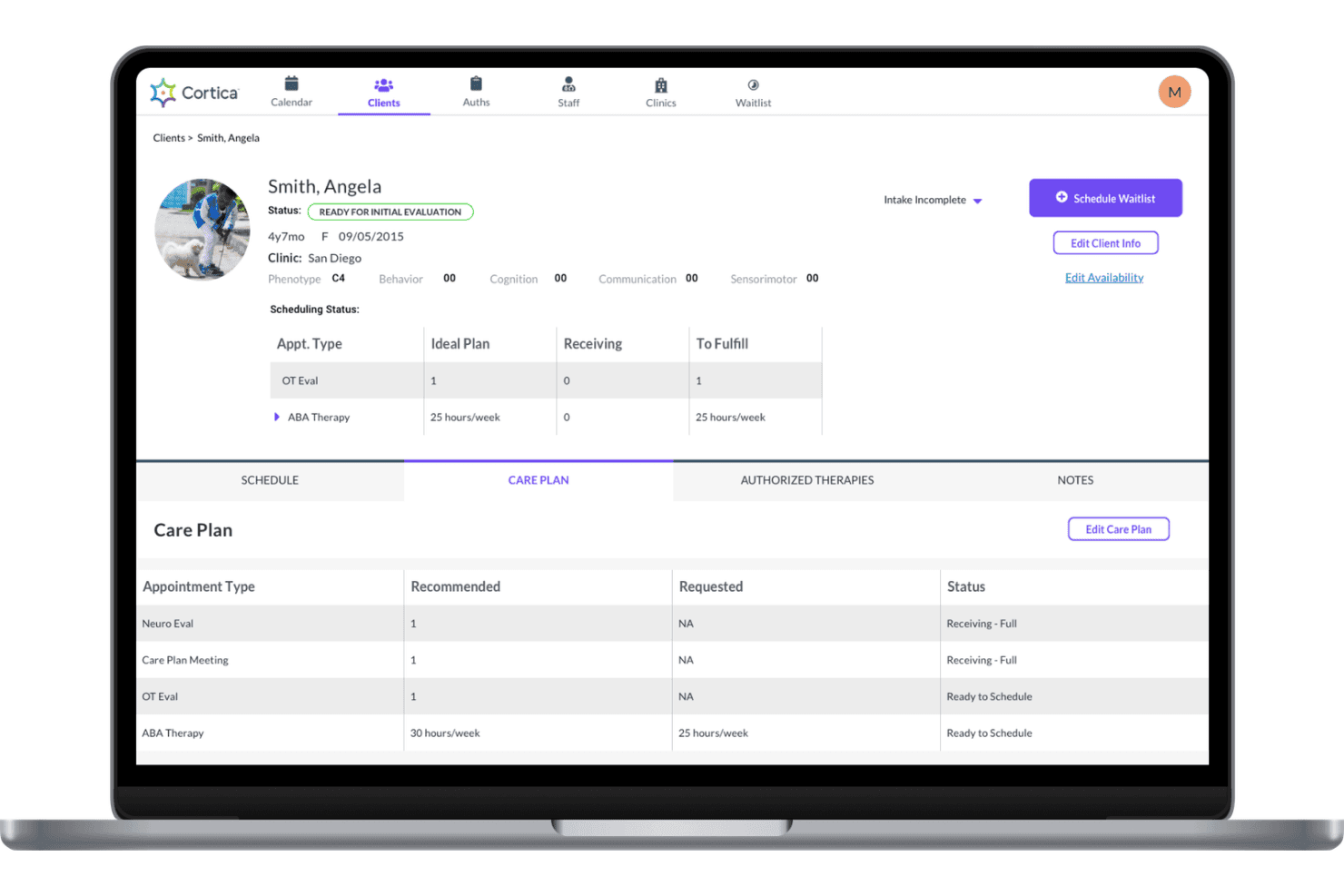
Sidebench's Cortica app features client care plans and scheduling status. Sidebench is a healthcare software development company specializing in custom mobile and web application builds, EHR integrations, and digital health product design for clinical and behavioral health organizations.
Who Is Sidebench Best For?
Sidebench is a strong fit for behavioral health organizations and clinical teams that need custom-built digital tools with deep EHR integration.
Why I Picked Sidebench
I picked Sidebench because it's purpose-built for the kind of work behavioral health organizations actually struggle with: connecting clinical workflows to EHR systems without losing data fidelity or care context. I've seen their approach to HL7 FHIR-compliant integrations and custom patient engagement apps hold up well in complex care settings. Their focus on native mobile builds for behavioral health means clinicians get tools shaped around real documentation needs, not generic templates.
Sidebench Key Features
- Custom clinical app development: Builds bespoke patient engagement and provider-facing applications tailored to specific care workflows.
- HIPAA-compliant architecture: Designs software with secure data handling, access controls, and audit logging built into the development process.
- Cross-platform mobile engineering: Delivers native iOS and Android builds alongside web applications for clinical and administrative teams.
- Product strategy and UX research: Conducts discovery and design work to align digital health tools with real clinician and patient needs.
Pros and Cons
Pros:
- Native mobile apps built for clinical use
- Deep experience with FHIR-compliant EHR builds
- Strong focus on behavioral health workflows
Cons:
- No off-the-shelf product to pilot quickly
- Not suited for small or early-stage teams
Learn more about Sidebench: Best for medical device and SaMD regulatory filings
- Free demo available
- Pricing upon request
Visit WebsiteCustomer Rating:4.8/5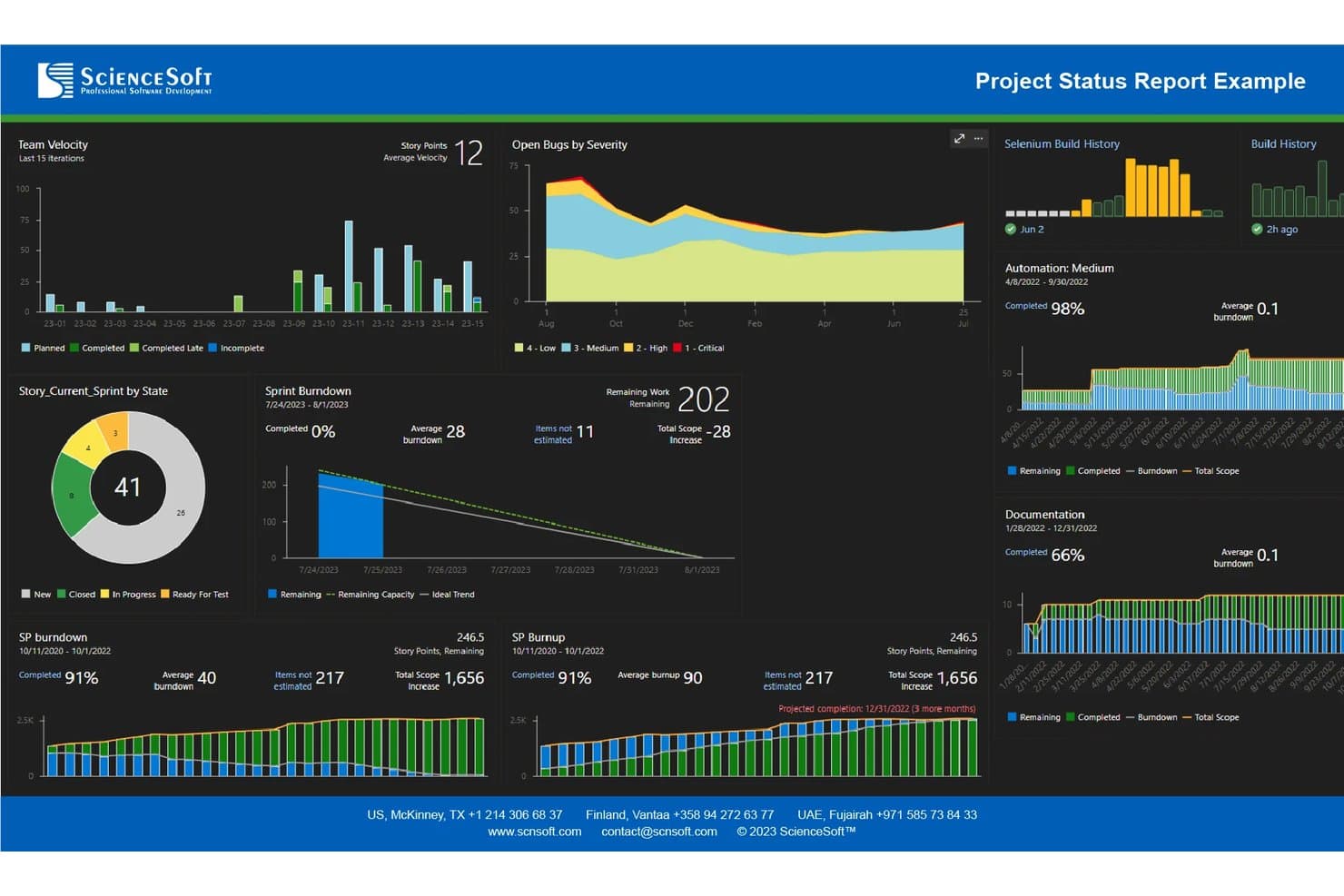
ScienceSoft's project status dashboard tracks velocity, bugs, and burndown. ScienceSoft is a custom healthcare software development company that specializes in building clinical, administrative, and medical device software—including EHR systems, patient portals, telehealth platforms, and FDA/CE-regulated SaMD solutions.
Who Is ScienceSoft Best For?
ScienceSoft is a strong fit for healthcare organizations that need custom-built software with built-in FDA or CE regulatory compliance support.
Why I Picked ScienceSoft
I picked ScienceSoft because it's one of the few development partners that handles FDA 510(k) submissions and CE marking as part of the build process, not as an afterthought. Their teams work within IEC 62304 software lifecycle standards and produce the design history documentation regulators actually require. I've seen organizations lose months to compliance gaps late in development, and ScienceSoft's built-in regulatory engineering prevents that.
ScienceSoft Key Features
- HL7/FHIR integration: Connects custom builds with EHRs, labs, pharmacies, and billing systems using standard protocols.
- HIPAA-compliant architecture: Implements encryption, access controls, and audit logging across the full development lifecycle.
- Dedicated healthcare delivery teams: Staffs projects with engineers and clinical consultants familiar with healthcare workflows.
- Structured QA and validation testing: Runs security, functional, and compliance testing before deployment.
Pros and Cons
Pros:
- Deep clinical workflow knowledge across specialties
- IEC 62304-compliant software lifecycle documentation included
- Handles FDA 510(k) and CE marking in-house
Cons:
- Longer onboarding than ready-made software
- Project-based costs vary by scope
Learn more about ScienceSoft: Best for AI-powered clinical app builds at scale
- Not available
- Pricing upon request
Visit WebsiteCustomer Rating:3.5/5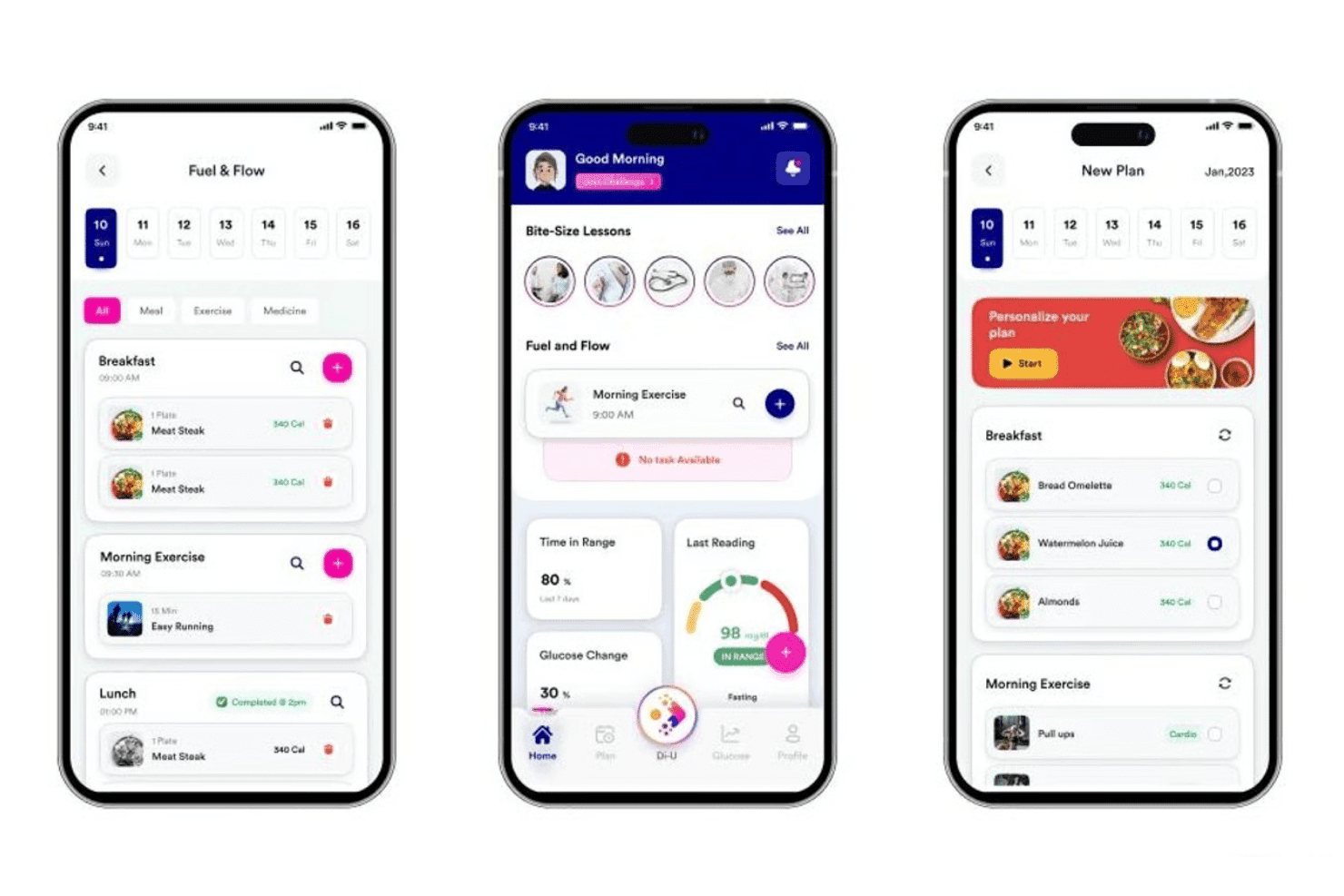
Appinventiv's diabetes app tracks meals, exercise, and glucose levels. Appinventiv is a healthcare software development company specializing in custom telemedicine app development, AI integration, clinical workflow tools, and end-to-end mobile and web app builds for healthcare organizations.
Who Is Appinventiv Best For?
Appinventiv is a strong fit for mid-to-large healthcare organizations that need a custom-built telemedicine platform with AI capabilities, rather than an off-the-shelf solution.
Why I Picked Appinventiv
I picked Appinventiv because it's one of the few development partners that builds AI directly into the clinical layer of a telemedicine app, not just as an add-on. I'm particularly drawn to its NLP-driven symptom assessment features and AI-powered diagnostic support tools, which can reduce the documentation burden on clinicians during virtual visits. Its end-to-end build model also means your team gets architecture decisions, compliance frameworks, and deployment support under one roof.
Appinventiv Key Features
- HIPAA-compliant architecture: Builds secure data handling, access controls, and audit trails into every telemedicine project from day one.
- HL7/FHIR integration: Connects telemedicine apps with EHRs, labs, and pharmacy systems for consistent data exchange.
- Remote patient monitoring modules: Develops wearable and device-integrated features that let clinicians track patient vitals in real time.
- Post-launch maintenance support: Provides ongoing updates, bug fixes, and performance monitoring after deployment.
Pros and Cons
Pros:
- End-to-end coverage from architecture to deployment
- Large team scales fast for enterprise builds
- Builds AI natively into clinical workflows
Cons:
- Timezone gaps slow client feedback cycles
- Quality can vary across project teams
Learn more about Appinventiv: Best for MedTech and SaMD regulatory builds
- Not available
- Pricing upon request
Visit WebsiteCustomer Rating:4.5/5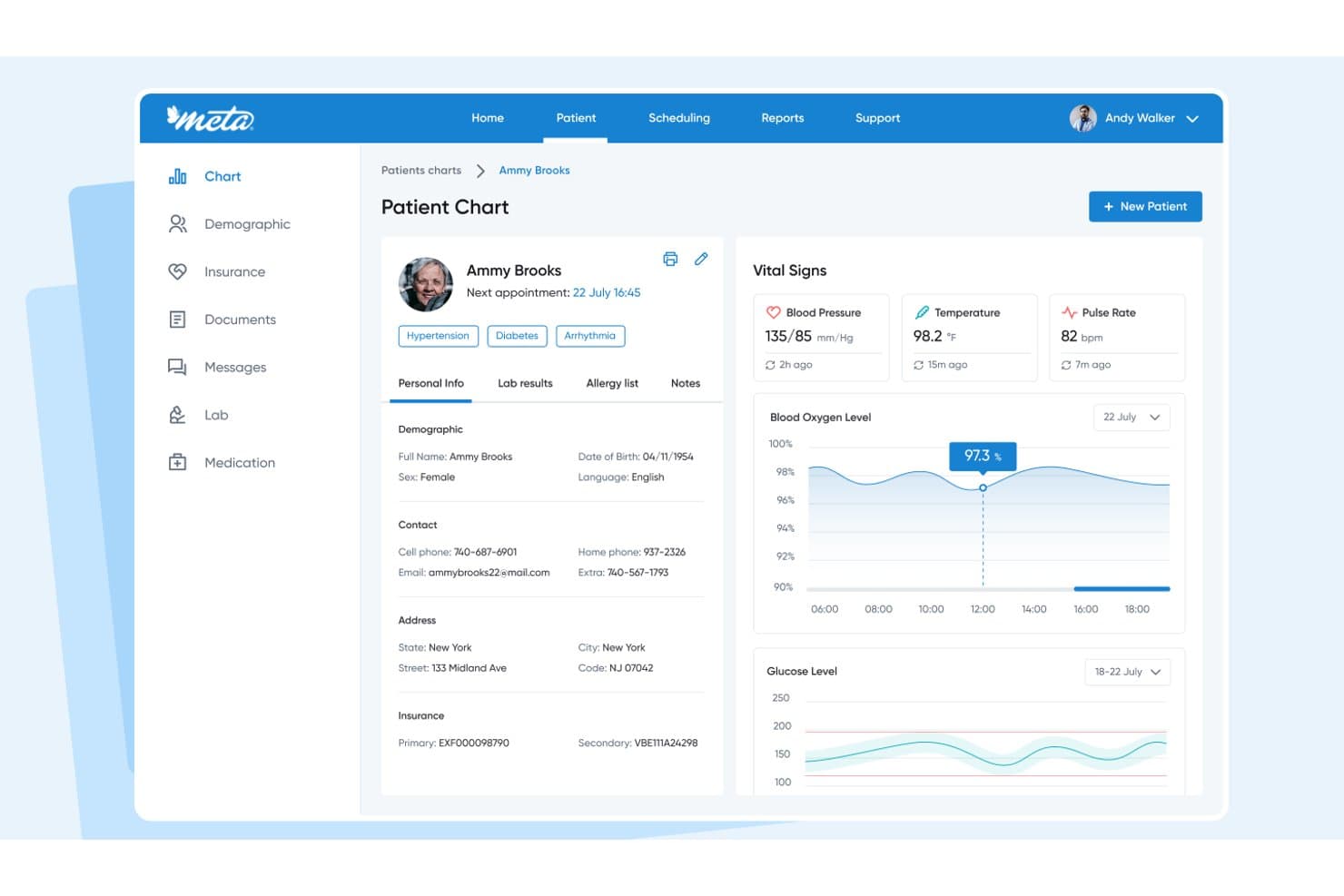
This EHR dashboard displays patient charts, vitals, and health data. Andersen Lab is a healthcare software development company specializing in MedTech, SaMD, and digital health solutions, offering services across custom software engineering, regulatory compliance support, systems integration, and clinical-grade product development.
Who Is Andersen Lab Best For?
Andersen Lab is a strong fit for MedTech companies and digital health teams building Software as a Medical Device (SaMD) products that need to meet FDA, MDR, or IEC 62304 compliance standards.
Why I Picked Andersen Lab
I picked Andersen Lab because it's purpose-built for MedTech and SaMD development, with deep specialization in IEC 62304 lifecycle documentation and FDA/MDR regulatory submissions. I've seen teams get burned by generalist dev shops that treat compliance as an afterthought. Andersen Lab builds regulatory traceability directly into the development process, mapping software requirements to risk controls and verification evidence as the product takes shape.
Andersen Lab Key Features
- HL7/FHIR integration: Connects new builds with EHRs, labs, and pharmacy systems using standard healthcare data protocols.
- HIPAA-compliant architecture: Applies encryption, access controls, and audit logging throughout the development lifecycle.
- Clinical validation testing: Runs structured QA cycles that include regulatory and safety checks for clinical software.
- Legacy system modernization: Migrates outdated hospital and practice-management platforms to cloud-native infrastructure.
Pros and Cons
Pros:
- Strong clinical validation and safety testing
- Regulatory traceability built into development
- Deep SaMD lifecycle and IEC 62304 expertise
Cons:
- Limited presence outside enterprise-scale engagements
- No fixed pricing or transparent cost structure
Learn more about Andersen Lab: Best for FDA-cleared and EHR-integrated builds
- Not available
- Pricing upon request
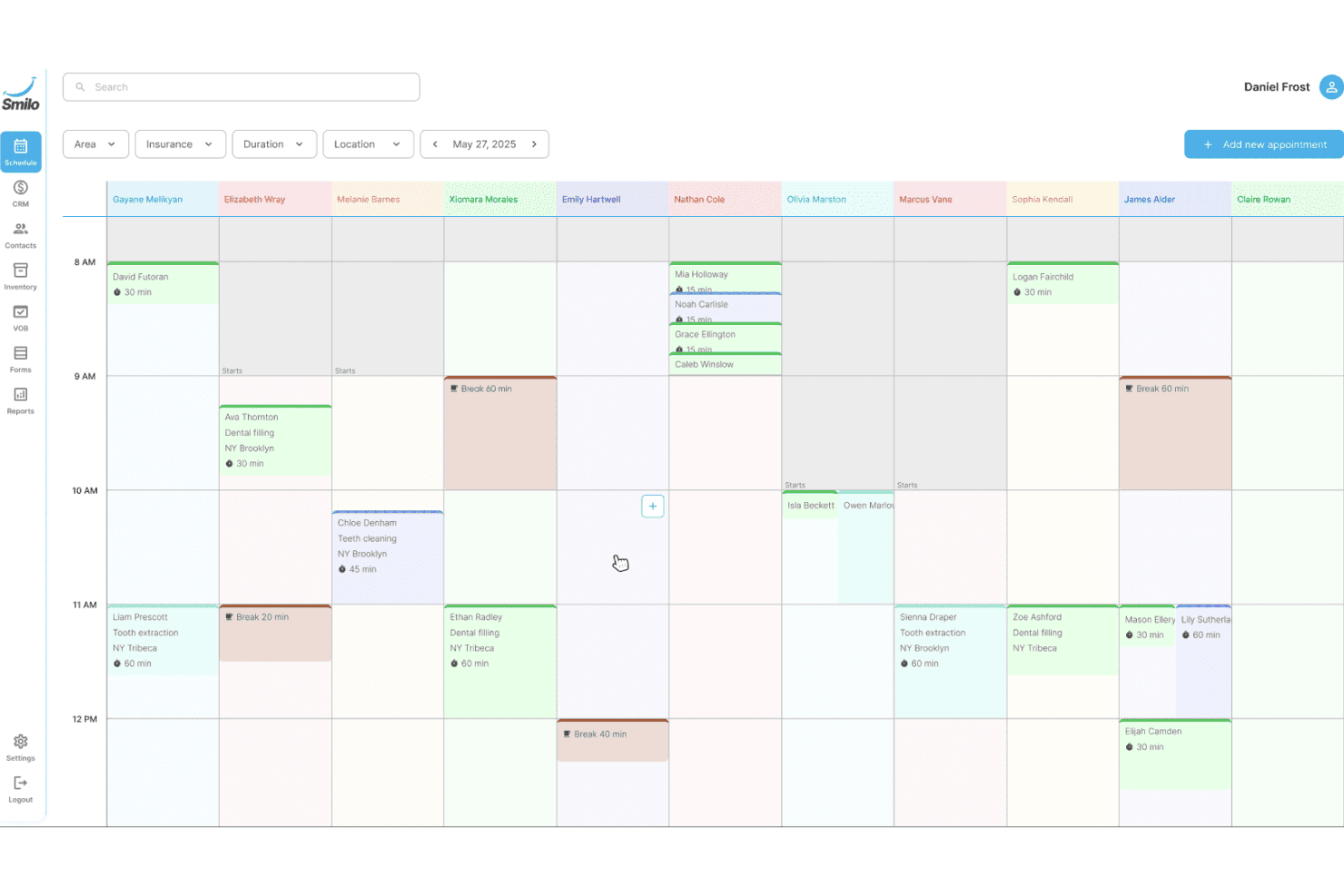
Innowise's Smilio project features dental appointment scheduling and patient bookings. Innowise is a healthcare software development company that builds custom clinical and administrative solutions, including EHR systems, telemedicine platforms, medical device software, and patient-facing applications.
Who Is Innowise Best For?
Innowise is a strong fit for healthcare organizations that need custom-built software designed to meet FDA requirements or integrate with existing EHR infrastructure.
Why I Picked Innowise
I picked Innowise because it brings real depth to two areas that trip up most custom healthcare builds: FDA compliance and EHR integration. Their teams work directly within established frameworks like 21 CFR Part 11 and IEC 62304, which means medical device software and clinical tools can move through regulatory review without the usual back-and-forth. I also like that they build HL7 FHIR and DICOM compatibility into projects from the start, not as an afterthought.
Innowise Key Features
- Telemedicine platforms: Builds video consultation and remote care tools with scheduling and e-prescribing capabilities.
- Legacy system modernization: Migrates outdated hospital and practice-management systems to cloud-native architectures.
- Dedicated healthcare teams: Staffs projects with engineers experienced in clinical workflows and medical terminology.
- QA and validation testing: Runs structured testing cycles covering security, functionality, and regulatory validation.
Pros and Cons
Pros:
- Proven EHR integration across 30+ clinical systems
- Rapidly scales teams for complex healthcare builds
- ISO 13485 and HIPAA certifications already in place
Cons:
- Less suited for AI-driven clinical innovation
- Some clients report language and cultural barriers
Learn more about Innowise: Best for hospital EHR and FHIR integration builds
- Not available
- Pricing upon request
Visit WebsiteCustomer Rating:4.8/5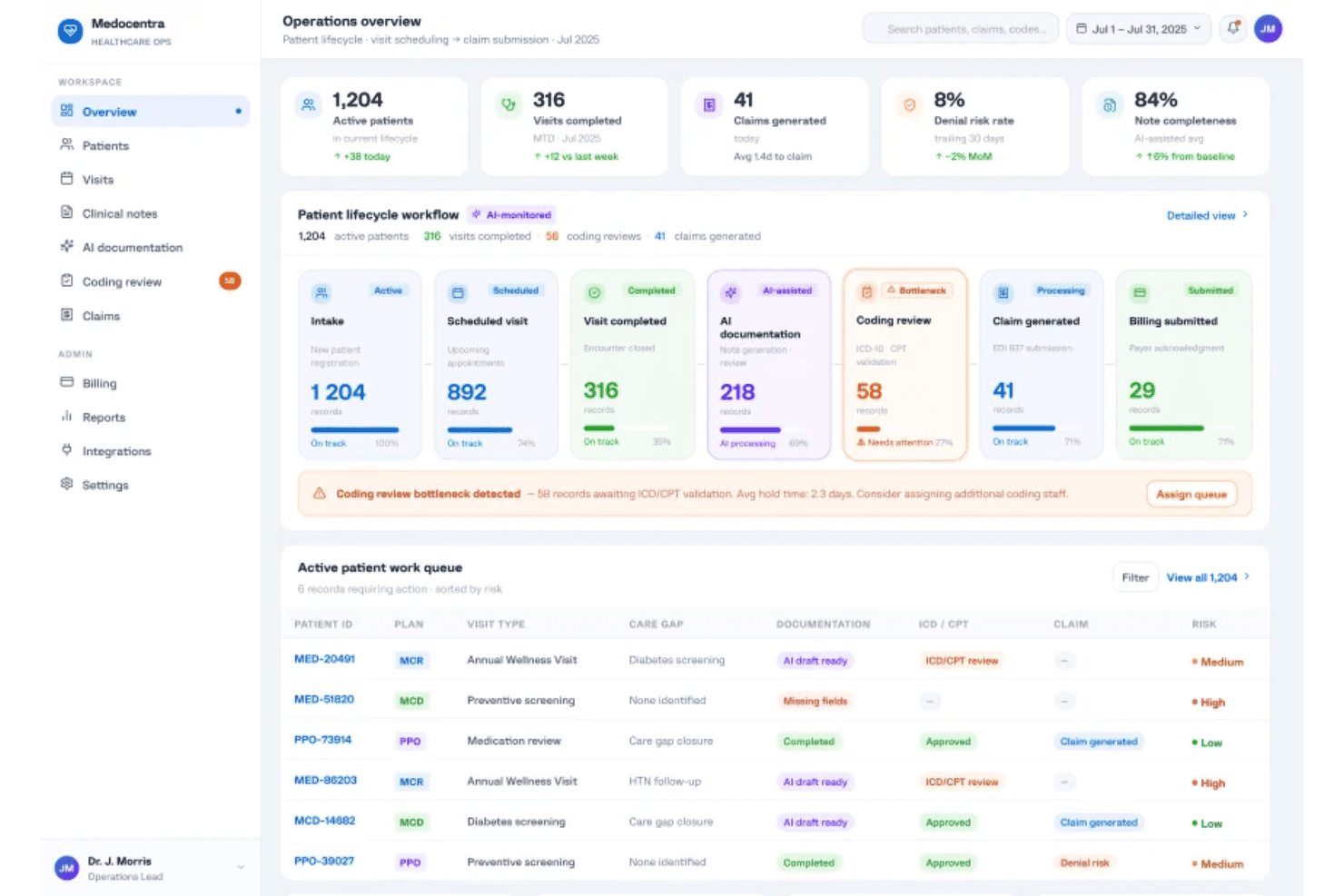
Computools builds healthcare ops dashboards tracking patient lifecycle and claims. Computools is a healthcare software development company that specializes in custom clinical application builds, EHR system development, FHIR-compliant API integrations, and health data interoperability solutions.
Who Is Computools Best For?
Computools is a strong fit for hospitals and health systems that need custom EHR builds or FHIR-compliant API integrations developed from the ground up.
Why I Picked Computools
I picked Computools as one of the best because it's purpose-built for exactly what hospital IT teams struggle with most: custom EHR development and FHIR-compliant API integration. I've seen how their HL7 FHIR-based data exchange work connects disparate clinical systems without forcing hospitals into off-the-shelf constraints. Their experience building interoperability layers between EHRs, lab systems, and patient portals is what sets them apart from general-purpose dev shops.
Computools Key Features
- HIPAA compliance audits: Reviews existing systems and workflows to identify PHI security gaps before development begins.
- Dedicated delivery teams: Assigns named engineers and project managers to each engagement instead of rotating staff.
- Legacy system modernization: Migrates outdated hospital and practice-management platforms to cloud-native architectures.
- QA and validation testing: Runs structured testing cycles covering functional, security, and compliance checks before launch.
Pros and Cons
Pros:
- Dedicated team model reduces handoff friction
- Custom EHR builds tailored to hospital workflows
- Strong FHIR and HL7 interoperability expertise
Cons:
- Engagement timelines can run longer than expected
- No off-the-shelf product for faster deployment
Learn more about Computools:
Alte companii de dezvoltare software pentru domeniul sănătății
Câteva opțiuni suplimentare care nu au ajuns pe lista mea scurtă, dar merită totuși verificate:
- 11MindbowserBest for EHR interoperability and FHIR builds
- 12OSPLabsBest for EHR integration across legacy systems
- 13ITRex GroupBest for AI-powered digital health builds
- 14ELEKSBest for HITRUST-certified EHR and telehealth builds
- 15Glorium TechnologiesBest for DME and HME software built over years
- 16SumatoSoftBest for connected-device and AI-driven health apps
- 17Kanda SoftwareBest for lab and hospital legacy modernization
How I Evaluate Healthcare Software Development Companies
I split my evaluation into baseline compliance and engineering requirements every firm must meet, and the differentiators—like FHIR depth, clinical domain knowledge, and post-launch support—that set the best apart.
Core Service Offerings (Table Stakes For This List)
When I'm selecting providers for my list, I rank each one on a scale from 0 (does not offer the service) to 5 (excels in this area) for each core service listed below. I then calculate the provider's total score into a percentage, using 60% as a benchmark to help assess its overall fit for the list.
- HIPAA-Compliant Development: I look for documented practices like encryption, access controls, audit trails, and BAAs—not just a compliance logo on the homepage.
- Custom Healthcare Software Engineering: Each provider should show named builds like patient portals, clinical apps, or scheduling tools—not just configuration work.
- Healthcare Systems Integration: I evaluate how a provider connects EHRs, labs, and billing systems using HL7 or FHIR, including real integration case studies.
- Clinical Domain Expertise: Staff with clinical or healthcare operations backgrounds should inform product design, visible in workflow-aware case studies.
- Ongoing Support & Maintenance: Post-launch plans matter. I check for structured maintenance terms, security patching, and uptime monitoring commitments.
- QA & Validation Testing: Providers should run healthcare-specific validation testing, not just functional QA, to catch safety and compliance gaps before launch.
Once I have a list of providers that meet the criteria, I consider what sets each one apart from the rest.
Differentiating Factors (What Sets Providers Apart)
Here's how I compare and contrast different providers:
Standout Services
I look for vendors with real regulatory submission support—firms that walk you through FDA SaMD classification or de novo filings, not just build to spec and hand it off. AI-driven clinical tools also matter; I evaluate whether a vendor can ship features like predictive analytics or clinical decision support that actually fit into a provider's workflow. A dedicated clinical advisory board rounds out my list, because clinicians reviewing design decisions throughout a build catch workflow gaps that engineers alone will miss.
Beyond Core Offerings
I check whether a vendor staffs dedicated, named teams with healthcare-specific roles like clinical informaticists—not rotating contractors who lose project context between sprints. Deployment flexibility matters too; a growing multi-site practice needs a partner comfortable with cloud, on-premise, or hybrid hosting that scales as you add locations. I also evaluate specialty alignment by reviewing portfolio work with practices similar in size and type to mine, since a vendor familiar with behavioral health billing codes works very differently from one built around radiology workflows.
Ce este o companie de dezvoltare software pentru domeniul sănătății?
O companie de dezvoltare software pentru domeniul sănătății creează și integrează software clinic personalizat — portaluri pentru pacienți, conexiuni la EHR, platforme de telemedicină și aplicații pentru dispozitive medicale conforme cu cerințele de reglementare — pentru cabinete și sisteme de sănătate. Aceste firme combină ingineria cu cunoștințele de specialitate din domeniul clinic pentru a gestiona conformitatea HIPAA, interoperabilitatea HL7 sau FHIR și cerințele FDA, acolo unde este relevant. Pentru administratorul unui cabinet, partenerul potrivit înseamnă software care se potrivește fluxurilor de lucru existente, păstrează în siguranță datele pacienților și se poate extinde pe măsură ce clinica adaugă furnizori, servicii sau locații.
Cum să alegeți o companie de dezvoltare software pentru domeniul sănătății
Alegerea ar trebui să depindă de locul în care se află, în realitate, cel mai mare risc de integrare, de conformitate sau legat de fluxul clinic de lucru.
| Dacă prioritatea dumneavoastră este | Căutați |
|---|---|
| Dacă prioritatea dumneavoastră esteConectarea la un EHR existent | CăutațiStudii de caz documentate privind integrările HL7/FHIR cu furnizorul specific al EHR-ului dumneavoastră |
| Dacă prioritatea dumneavoastră esteConformitatea FDA pentru SaMD sau dispozitive medicale | CăutațiUn furnizor cu experiență anterioară în depuneri 510(k) sau de novo, nu doar în HIPAA |
| Dacă prioritatea dumneavoastră esteDezvoltarea de produse de telemedicină sau RPM | CăutațiExperiență demonstrată cu fluxuri de date provenite de la dispozitive purtabile și fluxuri de lucru pentru îngrijire asincronă |
| Dacă prioritatea dumneavoastră esteImplementarea în mai multe locații sau la nivel de întreprindere | CăutațiO arhitectură hibridă sau flexibilă în cloud, cu condiții de asistență post-lansare clar precizate |
| Dacă prioritatea dumneavoastră esteAsigurarea conformității HIPAA | CăutațiUn BAA semnat și practici documentate privind pistele de audit înainte de încheierea contractului |
Cum să evaluați lista scurtă
- Solicitați din timp un proiect de BAA: Cereți acordul standard de asociat comercial înainte de orice discuție contractuală, pentru a verifica dacă nivelul lor de conformitate este real, nu doar promovat în scop de marketing.
- Cereți trei referințe nominale pentru integrări EHR: Solicitați datele de contact ale unor clienți anteriori care utilizează același sistem EHR ca dumneavoastră, apoi luați legătura cu cel puțin unul dintre ei.
- Trimiteți în scris o întrebare tehnică precisă: Prezentați un scenariu specific de interoperabilitate și stabiliți un termen de răspuns de 48 de ore pentru a evalua atât profunzimea, cât și promptitudinea răspunsului.
- Auditați documentația lor privind asigurarea calității: Cereți un exemplu de plan de testare pentru validare din cadrul unui proiect medical finalizat, pentru a confirma că efectuează testare la standarde clinice, nu doar asigurarea funcțională a calității.
- Viteză versus profunzimea conformității: Companiile care se mișcă rapid omit adesea rigurozitatea validării; firmele cu experiență vastă în domeniul reglementat se mișcă mai lent — decideți ce risc vă puteți permite cel mai puțin.
Când să utilizați o companie de dezvoltare software pentru domeniul sănătății
Apelați la o companie de dezvoltare software pentru domeniul sănătății atunci când instrumentele standard nu se pot adapta fluxurilor dumneavoastră clinice de lucru, cerințelor de conformitate sau mediului EHR fără soluții de compromis costisitoare.
Iată când dezvoltarea personalizată este cea mai potrivită:
Sistemul dumneavoastră EHR nu se conectează la nimic: Instrumentul de programări, platforma de facturare și portalul de laborator funcționează izolat. Un nivel de integrare personalizat construit pe HL7 sau FHIR elimină aceste lacune și reduce introducerea manuală a datelor care încetinește activitatea recepției.
Aveți nevoie de un portal personalizat pentru pacienți: Furnizorul actual nu dorește să definească un proiect personalizat care să corespundă modelului dumneavoastră de îngrijire. O companie de dezvoltare software pentru domeniul sănătății livrează un produs conform HIPAA, construit în jurul fluxurilor dumneavoastră de lucru, în 4-6 luni.
Software-ul intră în sfera de reglementare a FDA: Atunci când instrumentul clinic se califică drept SaMD, firmele standard de dezvoltare nu dispun de suficientă experiență în documentația necesară pentru depunerile 510(k) sau de novo. O firmă cu experiență anterioară în depuneri menține procesul în desfășurare.
Programul RPM are nevoie de o conductă de date: Dispozitivele purtabile generează fluxuri de date în timp real care necesită retransmiterea datelor în EHR și logică de alertare, funcționalități pe care o aplicație generică nu le poate oferi. Firma potrivită construiește această conductă astfel încât echipa dumneavoastră de îngrijire să primească alerte utile, nu fluxuri de date brute.
Prețuri
Proiectele companiilor de dezvoltare software pentru domeniul sănătății costă de obicei între $50,000 și $500,000+, în funcție de amploarea lucrărilor de integrare EHR și de necesitatea documentației SaMD reglementate de FDA. Furnizorii lucrează, în general, în cadrul uneia dintre următoarele structuri de prețuri:
| Model de prețuri | Preț mediu | Servicii incluse | Potrivit pentru |
|---|---|---|---|
| Model de prețuriBazat pe proiect | Preț mediu$50,000–$250,000 | Servicii incluseDezvoltare cu obiectiv definit, etape stabilite, asigurarea calității | Potrivit pentruPortaluri pentru pacienți, instrumente de programări |
| Model de prețuriTimp și materiale | Preț mediu$75–$200/oră | Servicii incluseObiectiv flexibil, sprinturi iterative, raportare | Potrivit pentruCerințe în evoluție, dezvoltare continuă de funcționalități |
| Model de prețuriEchipă dedicată | Preț mediu$15,000–$40,000/lună | Servicii incluseDezvoltatori desemnați, informaticieni clinici, manager de proiect | Potrivit pentruDezvoltări pentru mai multe locații, planuri pe termen lung |
| Model de prețuriBazat pe abonament | Preț mediu$5,000–$20,000/lună | Servicii incluseMentenanță, aplicarea de patch-uri, monitorizarea disponibilității | Potrivit pentruAsistență după lansare, menținerea conformității |
| Model de prețuriDomeniul lucrării/rezultatele livrabile | Preț mediuVariază în funcție de rezultatul livrabil | Servicii incluseIntegrare HL7/FHIR, documentație 510(k) | Potrivit pentruDepuneri FDA, proiecte de integrare unică |
Alegerea modelului de prețuri potrivit este importantă, deoarece o structură nepotrivită vă poate face să plătiți prea mult pentru o flexibilitate de care nu aveți nevoie sau vă poate bloca într-un obiectiv fix care nu poate integra modificările de conformitate apărute în timpul dezvoltării.
Factori principali care influențează prețurile
Dincolo de modelul specific de prețuri, iată câțiva factori suplimentari care pot influența costul unei companii de dezvoltare software pentru domeniul sănătății:
- Nivelul de complexitate al integrării EHR: Conectarea la mai multe sisteme EHR prin HL7 sau FHIR necesită mai multe ore de inginerie decât dezvoltarea pentru un singur sistem.
- Clasificarea în scopuri de reglementare: Software-ul care se califică drept SaMD și necesită documentație 510(k) sau de novo adaugă costuri juridice și de validare pe care majoritatea dezvoltărilor conforme doar cu HIPAA nu le implică.
- Implicarea în domeniul clinic: Implicarea informaticienilor clinici sau a unui consiliu consultativ clinic pentru definirea designului fluxurilor de lucru crește costurile cu personalul, dar reduce refacerea costisitoare ulterioară.
- Arhitectura de implementare: Găzduirea hibridă sau locală pentru cabinete cu mai multe locații costă mai mult de construit și întreținut decât o implementare în cloud cu un singur beneficiar.
- Domeniul de aplicare al asistenței după lansare: Planurile structurate de mentenanță, cu aplicarea patch-urilor de securitate și monitorizarea disponibilității, adaugă costuri recurente peste dezvoltarea inițială.
Cunoașterea din timp a acestor structuri și factori de cost va facilita compararea ofertelor de la diferiți furnizori și corelarea prețurilor cu nevoile dumneavoastră reale de conformitate și integrare.
Întrebări frecvente
Câteva răspunsuri la întrebări frecvente despre o companie de dezvoltare de software pentru sectorul medical:
Cât durează un proiect personalizat de software pentru sectorul medical?
Majoritatea proiectelor pentru portaluri de pacienți sau sisteme de programare durează 4-6 luni de la demarare până la lansare, în timp ce integrările complete cu EHR sau produsele SaMD pot dura 9-12 luni sau chiar mai mult. Termenele se prelungesc atunci când un proiect necesită documentație 510(k), conexiuni cu mai multe sisteme EHR sau testare de validare clinică. Aș aloca timp suplimentar pentru ciclurile de revizuire ale părților interesate, deoarece medicii și personalul responsabil de conformitate trebuie să aprobe modificările fluxului de lucru înainte de lansare. Cereți furnizorului un calendar detaliat pe etape, nu doar o singură dată de lansare.
Care este diferența dintre integrarea HL7 și integrarea FHIR?
HL7 v2 este un standard mai vechi de mesagerie, încă utilizat frecvent în sistemele spitalicești, în timp ce FHIR folosește API-uri moderne, care fac schimbul de date mai rapid și mai ușor de realizat. Multe sisteme EHR folosesc în continuare HL7 v2 pentru rezultatele analizelor de laborator și datele privind internările, astfel încât un furnizor trebuie să le accepte pe ambele. Dacă intenționați să adăugați ulterior instrumente de telemedicină sau RPM, aș recomanda insistent o arhitectură bazată pe FHIR încă de acum, deoarece este mai flexibilă pentru integrările viitoare.
Am nevoie de un BAA cu o companie de dezvoltare de software pentru sectorul medical?
Da, aveți nevoie de un Acord de asociat comercial semnat cu orice furnizor care creează, stochează sau transmite în numele dumneavoastră informații medicale protejate. Un BAA stabilește responsabilitățile fiecărei părți privind protejarea datelor pacienților și precizează obligațiile de notificare în cazul unei breșe de securitate. Solicitați un proiect de BAA înainte de a semna orice contract. Dacă un furnizor ezită sau nu poate furniza rapid un astfel de document, considerați acest lucru un semn că practicile sale de conformitate nu sunt atât de solide pe cât susține.
Poate o companie de dezvoltare de software pentru sectorul medical să ajute la depunerile către FDA?
Unele pot, dar nu toate. Furnizorii cu experiență anterioară în depuneri 510(k) sau de novo oferă șabloane de documentație, procese de gestionare a riscurilor și protocoale de asigurare a calității concepute pentru evaluarea FDA. Dacă software-ul dumneavoastră se califică drept Software ca dispozitiv medical, solicitați exemple de depuneri anterioare la care au contribuit și întrebați dacă au mai lucrat cu clasificarea dispozitivului dumneavoastră. O firmă fără această experiență vă va întârzia considerabil calendarul.
Ce se întâmplă după ce software-ul meu medical este lansat?
Furnizorul dumneavoastră ar trebui să asigure asistență structurată după lansare, inclusiv aplicarea de patch-uri de securitate, monitorizarea disponibilității și remedierea erorilor în cadrul unui plan de mentenanță. Acordurile pe bază de abonament au de obicei un cost de $5,000-$20,000 pe lună, în funcție de complexitatea sistemului. Întrebați de la început cum gestionează problemele urgente, cum ar fi indisponibilitatea unui instrument de programare în timpul orelor de lucru ale clinicii, și care sunt, în scris, angajamentele privind timpul de răspuns, înainte de a semna orice document.