

Hvorfor du kan stole på våre programvareanbefalinger
6,700+
Reviews
20
Industry experts
16+
Evaluation factors
14
Years reviewing software
Teamet vårt har testet og anmeldt programvare siden 2012. Vi leder selv legekontorer, så vi vet hvor vanskelig og hvor viktig det er å velge riktig programvare.
I denne guiden har vi vurdert verktøyene gjennom praktisk testing og uavhengig research og gitt dem poeng ut fra våre utvelgelseskriterier.
Anmeldelsene våre bygger på vår egen redaksjonelle vurdering. De er ikke et salgsargument.
Sammenligningstabell: Programvareutviklingsselskaper innen helsevesenet
Sammenlign detaljer side om side for programvareutviklingsselskapene innen helsevesenet som kom med på kortlisten min.
Score legend (out of 5)
- Excellent4.5–5
- Good4–4.4
- Average3–3.9
- Below average2–2.9
- Poor1–1.9
Sorted by: Default
| Service | Starting Price | Website | |||||||
|---|---|---|---|---|---|---|---|---|---|
Best for FDA-class medical device software builds | 4.3 out of 5 | 4 | 5 | 4 | 4 | 5 | 4 | Pricing upon request Not available | Website |
Best for connecting apps to multiple EHR systems | 4.2 out of 5 | 4 | 4 | 5 | 4 | 5 | 3 | Pricing upon request Not available | Website |
Best for RPM and telehealth product builds | 4.2 out of 5 | 4 | 4 | 4 | 4 | 5 | 4 | Pricing upon request Free consultation available | Website |
Best for AI-driven digital health product builds | 4.0 out of 5 | 4 | 4 | 4 | 4 | 5 | 3 | Pricing upon request Not available | Website |
Best for behavioral health and EHR integration builds | 4.0 out of 5 | 4 | 3 | 4 | 5 | 5 | 3 | Pricing upon request Not available | Website |
Best for medical device and SaMD regulatory filings | 4.8 out of 5 | 5 | 5 | 5 | 4 | 5 | 5 | Pricing upon request Free demo available | Website |
Best for AI-powered clinical app builds at scale | 3.8 out of 5 | 4 | 4 | 4 | 3 | 5 | 3 | Pricing upon request Not available | Website |
Best for MedTech and SaMD regulatory builds | 4.5 out of 5 | 4 | 4 | 5 | 4 | 5 | 5 | Pricing upon request Not available | Website |
Best for FDA-cleared and EHR-integrated builds | 4.0 out of 5 | 4 | 4 | 4 | 3 | 5 | 4 | Pricing upon request Not available | Website |
Best for hospital EHR and FHIR integration builds | 3.8 out of 5 | 3 | 3 | 4 | 4 | 5 | 4 | Pricing upon request Not available | Website |


Anmeldelser av programvareutviklingsselskaper innen helsevesenet
Nedenfor finner du mine detaljerte sammendrag av de beste programvareutviklingsselskapene innen helsevesenet som kom med på kortlisten min. Anmeldelsene mine gir et detaljert innblikk i kapasiteten, EHR-integrasjonene og styrkene innen samsvar med regelverket hos hver leverandør, slik at du kan finne den som passer best for deg.
 Best for FDA-class medical device software builds
- Not available
- Pricing upon request
Visit WebsiteCustomer Rating:4.8/5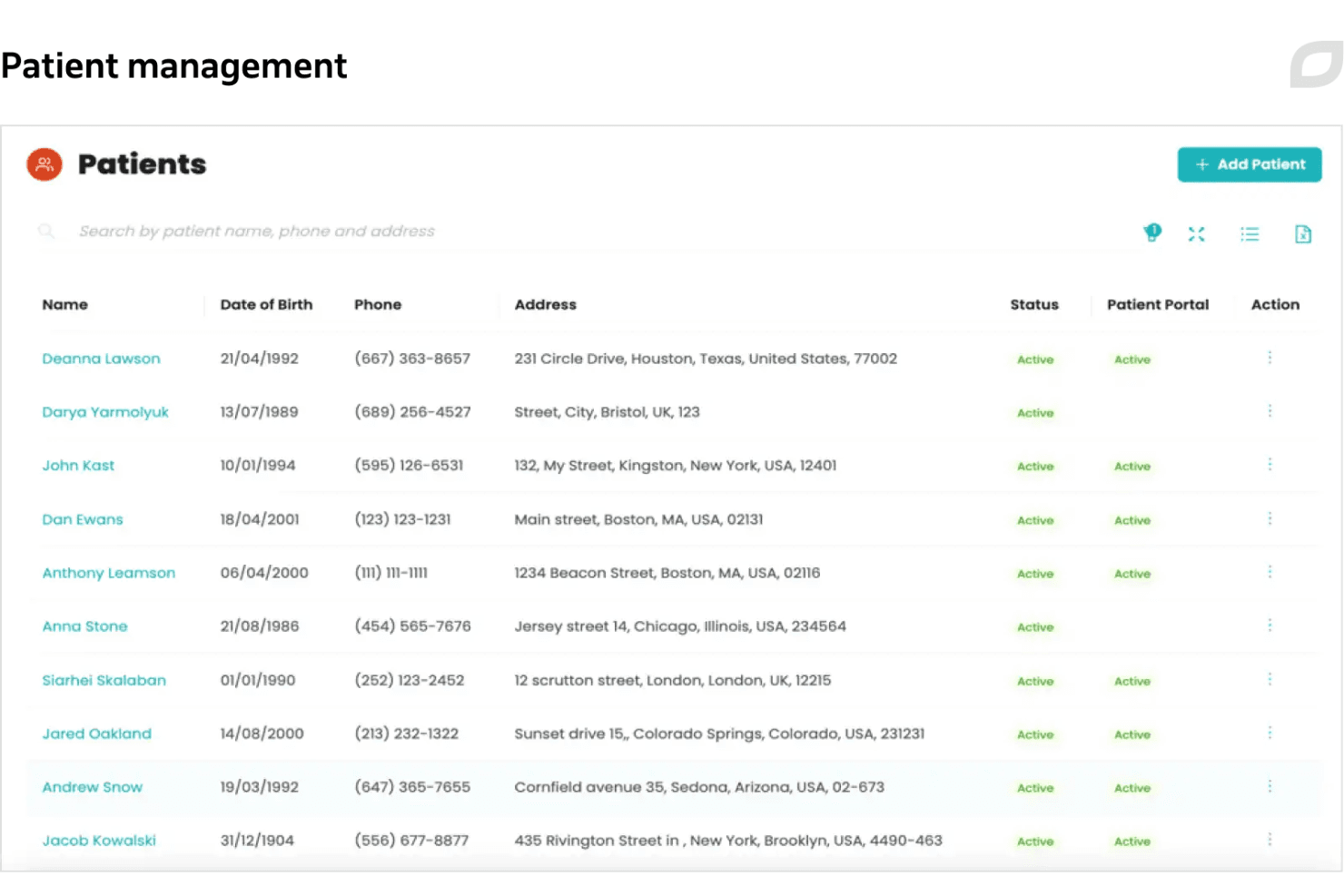
Itransition's healthcare platform features a searchable patient list. Itransition is a healthcare software development company that delivers custom clinical, administrative, and operational solutions—spanning EHR/EMR systems, medical device software, telehealth platforms, and health data integration.
Who Is Itransition Best For?
Itransition is a strong fit for medical device manufacturers and health tech companies that need custom software built to meet FDA regulatory standards.
Why I Picked Itransition
I picked Itransition because it's one of the few development partners that takes FDA regulatory requirements seriously from day one. Their teams build software under IEC 62304 lifecycle standards and support the full design controls process required for FDA 510(k) or De Novo submissions. I've seen device manufacturers lose months to rework when compliance is bolted on late, and Itransition's approach of embedding regulatory structure into the development process directly addresses that.
Itransition Key Features
- HL7/FHIR integration: Connects EHRs, labs, pharmacy, and billing systems using standardized healthcare data protocols.
- HIPAA-compliant architecture: Applies encryption, access controls, and audit logging across the development lifecycle to protect PHI.
- Legacy system modernization: Migrates outdated hospital and practice-management systems to cloud-native platforms without disrupting care delivery.
- Clinical QA and validation testing: Runs structured testing cycles, including security and regulatory validation, before deployment.
Pros and Cons
Pros:
- Experienced across EHR, telehealth, and device software
- Strong clinical QA and validation testing process
- Builds to IEC 62304 and FDA regulatory standards
Cons:
- Project timelines can run long for complex builds
- No fixed pricing or transparent cost structure
Learn more about Itransition: Best for connecting apps to multiple EHR systems
- Not available
- Pricing upon request
Visit WebsiteCustomer Rating:5/5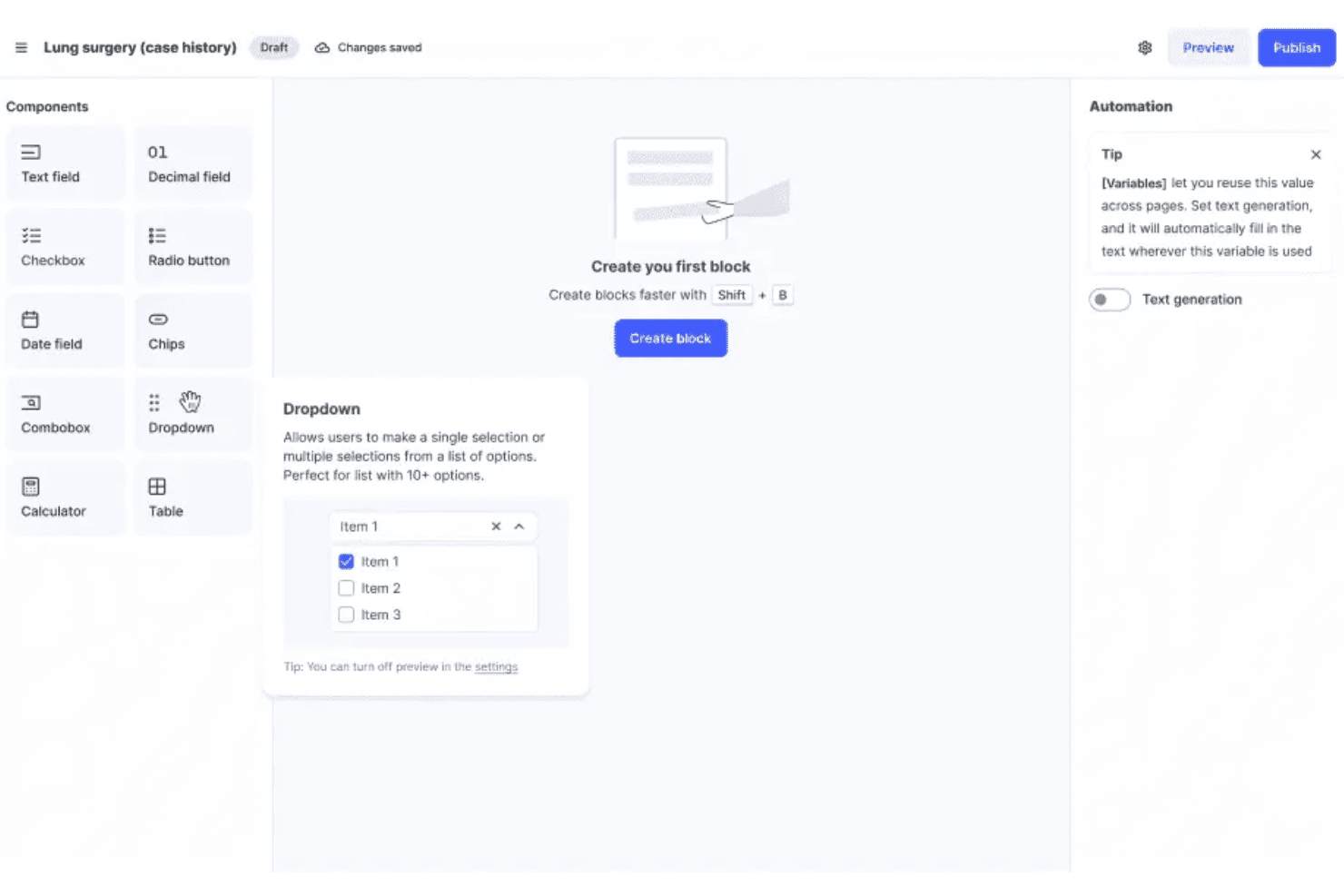
TechMagic's Tiro.Health project features a configurable medical form builder. TechMagic is a healthcare software development company that specializes in building custom clinical and patient-facing applications, with a focus on EHR integration, telemedicine platforms, and health data interoperability.
Who Is TechMagic Best For?
TechMagic is a strong fit for healthcare organizations that need custom software built to integrate with multiple EHR systems across complex or fragmented infrastructure.
Why I Picked TechMagic
TechMagic earns its spot on my shortlist because of how it handles multi-EHR connectivity, which is one of the hardest problems to solve in healthcare software. I've seen projects stall for months trying to reconcile HL7 FHIR and legacy HL7 v2 feeds across different hospital systems, and TechMagic builds with both standards in mind from the start. Their teams also work across Epic, Cerner, and Allscripts environments, so there's no ramp-up time spent reverse-engineering EHR-specific APIs.
TechMagic Key Features
- HIPAA-compliant architecture: Builds secure, access-controlled systems with audit logging to protect PHI throughout development.
- Dedicated engineering teams: Assigns named, healthcare-focused developers rather than rotating contractors for continuity across projects.
- Cloud-native deployment: Supports AWS, Azure, and Google Cloud environments with HIPAA-eligible hosting configurations.
- QA and validation testing: Runs structured security, functional, and compliance testing before releasing clinical software.
Pros and Cons
Pros:
- Dedicated teams stay consistent across the project
- Builds with HL7 FHIR and legacy HL7 v2
- Experienced across Epic, Cerner, and Allscripts environments
Cons:
- Limited capacity for large enterprise projects
- No fixed pricing or public rate transparency
Learn more about TechMagic: Best for RPM and telehealth product builds
- Free consultation available
- Pricing upon request
Visit WebsiteCustomer Rating:5/5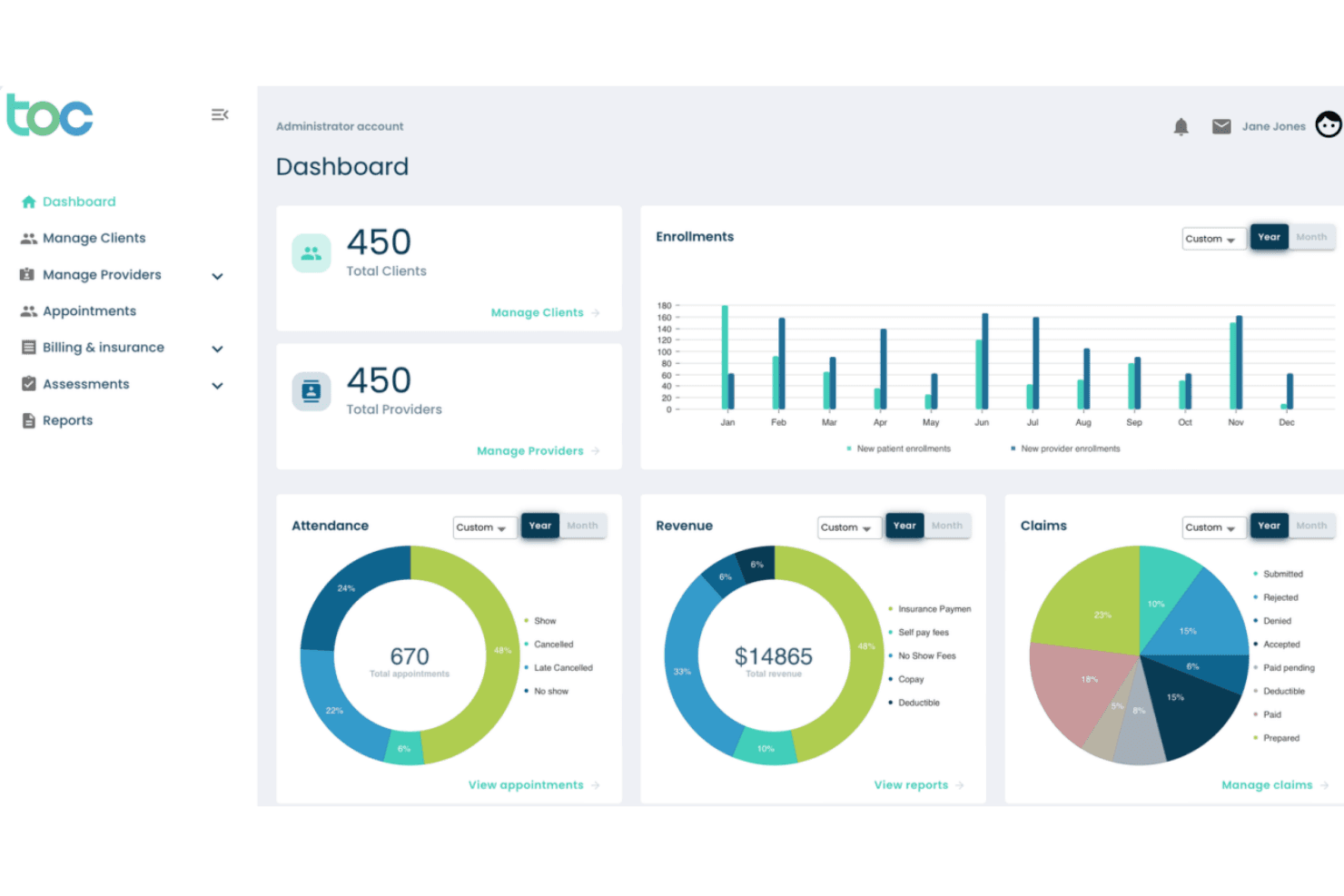
Empeek's healthcare CRM supports patient and provider management. Empeek is a custom healthcare software development company specializing in building telehealth platforms, remote patient monitoring systems, EHR integrations, and health data solutions for digital health startups and medical organizations.
Who Is Empeek Best For?
Empeek is a strong fit for digital health startups and medical organizations that need a development partner to build RPM or telehealth platforms from the ground up.
Why I Picked Empeek
I picked Empeek because it's one of the few development partners that specializes specifically in RPM and telehealth builds rather than treating them as one service among many. I've seen their work span device integration for continuous vitals monitoring and HIPAA-compliant video consultation platforms built to clinical workflow specs. Their focus on HL7/FHIR-based EHR connectivity means RPM data flows directly into existing clinical records without manual reconciliation.
Empeek Key Features
- HL7/FHIR integration: Connects new builds with EHRs, labs, pharmacies, and billing systems for data exchange.
- HIPAA compliance audits: Reviews architecture, access controls, and data flows against HIPAA requirements before launch.
- Dedicated engineering pods: Assigns named developers, QA engineers, and business analysts to each client engagement.
- Clinical validation testing: Runs structured QA cycles that include compliance and safety checks for patient-facing tools.
Pros and Cons
Pros:
- Strong delivery record with clinical-grade QA cycles
- Competitive rates compared with US firm
- Deep focus on RPM and telehealth builds specifically
Cons:
- Limited advanced AI and ML capabilities
- Limited capacity for large-scale projects
Learn more about Empeek: Best for AI-driven digital health product builds
- Not available
- Pricing upon request
Visit WebsiteCustomer Rating:4.9/5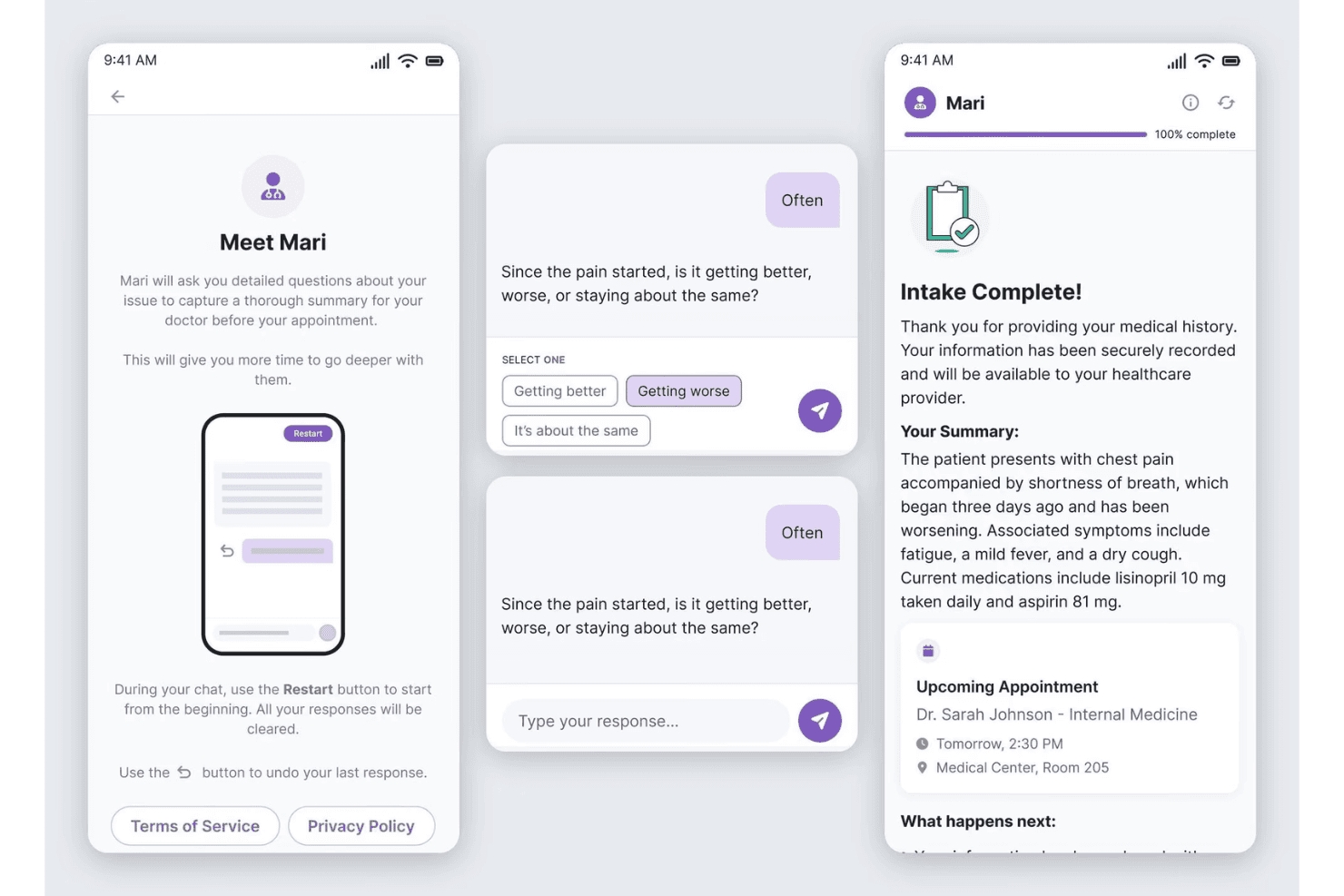
Topflight Apps builds AI intake chatbots that summarize patient symptoms for doctors. Topflight Apps is a healthcare software development company specializing in AI-powered mobile and web app design and development, including EHR integrations, telemedicine platforms, and FDA-regulated digital health products.
Who Is Topflight Apps Best For?
Topflight Apps is a strong fit for digital health startups and healthcare organizations that need a development partner to build AI-powered, FDA-compliant mobile or web products from the ground up.
Why I Picked Topflight Apps
I picked Topflight Apps because it's purpose-built for exactly the kind of high-stakes digital health development that most generalist agencies can't handle. I'm especially drawn to its AI-driven product work, including LLM-powered clinical decision support tools and computer vision features built directly into mobile health apps. Its experience with FDA Software as a Medical Device (SaMD) submissions and EHR integration frameworks means your product is built for real regulatory scrutiny from day one.
Topflight Apps Key Features
- HIPAA-compliant architecture: Builds secure data pipelines with encryption, access controls, and audit logging baked into every release.
- HL7/FHIR integration: Connects custom apps to EHRs, labs, and pharmacy systems using standard healthcare data protocols.
- Dedicated engineering pods: Assigns named teams, including healthcare-savvy developers, rather than rotating contractors.
- Post-launch maintenance plans: Provides ongoing updates, security patching, and bug fixes after your product goes live.
Pros and Cons
Pros:
- Dedicated teams with healthcare domain knowledge
- Builds AI features into clinical mobile apps
- Proven FDA SaMD submission experience
Cons:
- Limited transparency on timelines upfront
- Not suited for large enterprise engagements
Learn more about Topflight Apps: Best for behavioral health and EHR integration builds
- Not available
- Pricing upon request
Visit WebsiteCustomer Rating:4.9/5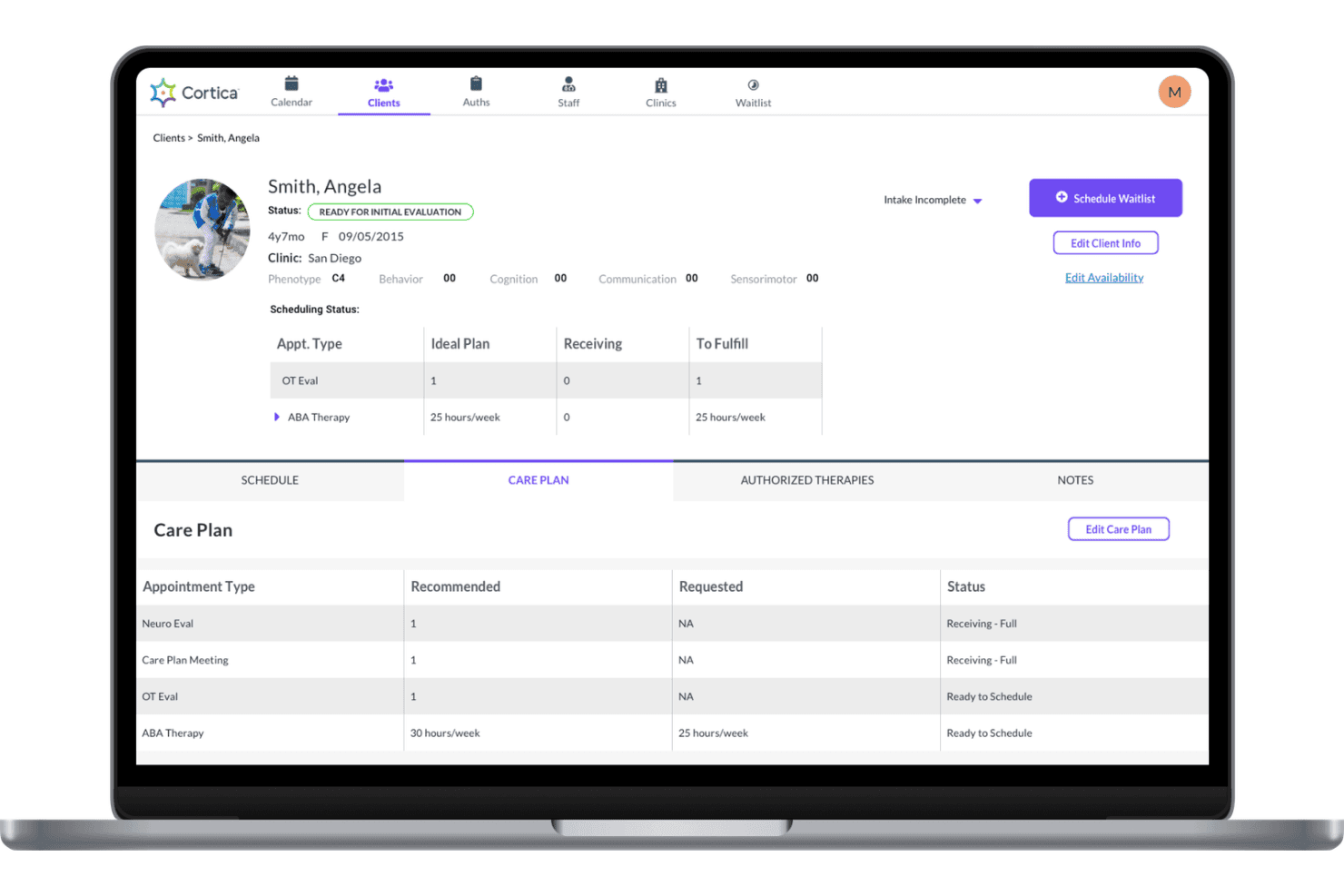
Sidebench's Cortica app features client care plans and scheduling status. Sidebench is a healthcare software development company specializing in custom mobile and web application builds, EHR integrations, and digital health product design for clinical and behavioral health organizations.
Who Is Sidebench Best For?
Sidebench is a strong fit for behavioral health organizations and clinical teams that need custom-built digital tools with deep EHR integration.
Why I Picked Sidebench
I picked Sidebench because it's purpose-built for the kind of work behavioral health organizations actually struggle with: connecting clinical workflows to EHR systems without losing data fidelity or care context. I've seen their approach to HL7 FHIR-compliant integrations and custom patient engagement apps hold up well in complex care settings. Their focus on native mobile builds for behavioral health means clinicians get tools shaped around real documentation needs, not generic templates.
Sidebench Key Features
- Custom clinical app development: Builds bespoke patient engagement and provider-facing applications tailored to specific care workflows.
- HIPAA-compliant architecture: Designs software with secure data handling, access controls, and audit logging built into the development process.
- Cross-platform mobile engineering: Delivers native iOS and Android builds alongside web applications for clinical and administrative teams.
- Product strategy and UX research: Conducts discovery and design work to align digital health tools with real clinician and patient needs.
Pros and Cons
Pros:
- Native mobile apps built for clinical use
- Deep experience with FHIR-compliant EHR builds
- Strong focus on behavioral health workflows
Cons:
- No off-the-shelf product to pilot quickly
- Not suited for small or early-stage teams
Learn more about Sidebench: Best for medical device and SaMD regulatory filings
- Free demo available
- Pricing upon request
Visit WebsiteCustomer Rating:4.8/5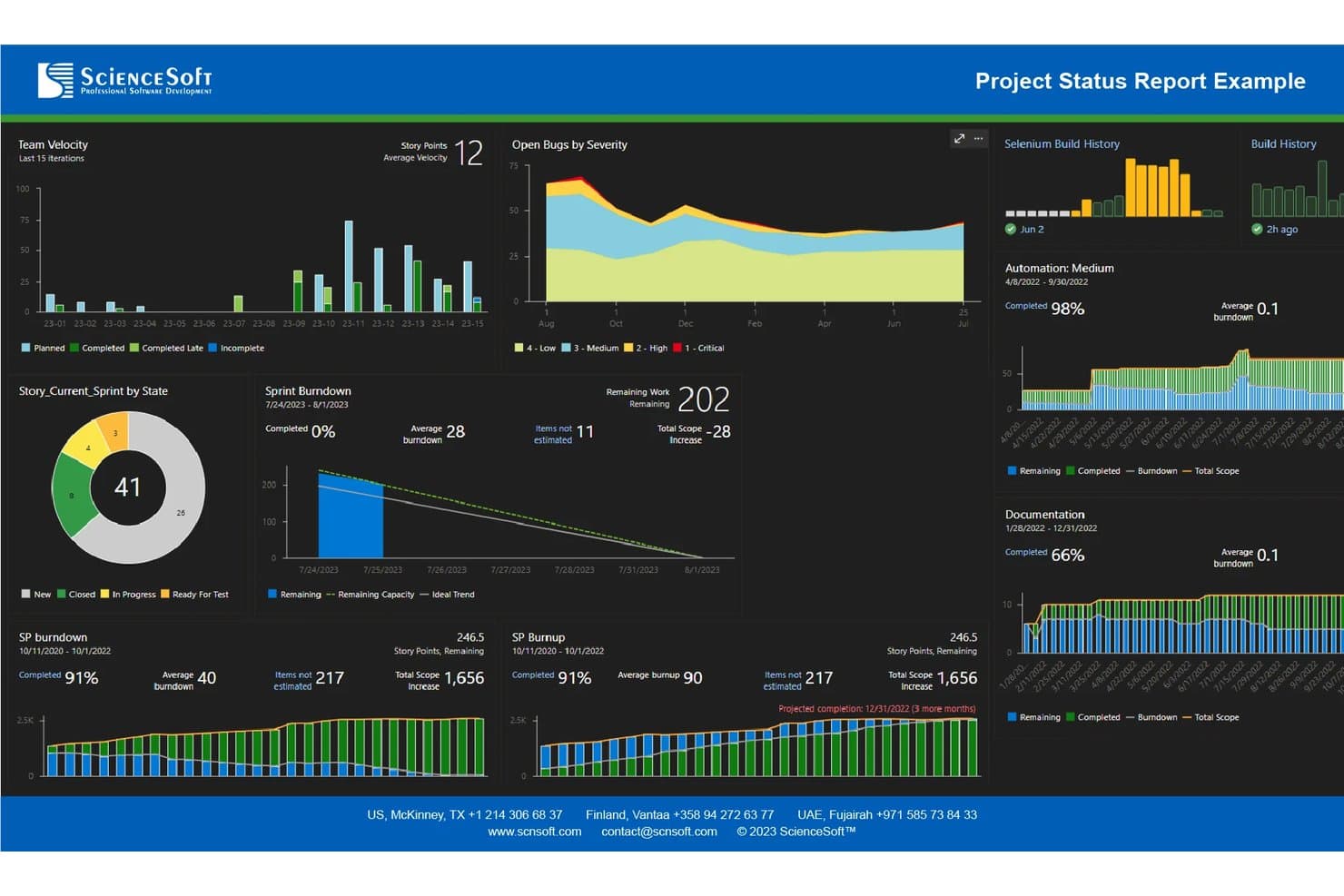
ScienceSoft's project status dashboard tracks velocity, bugs, and burndown. ScienceSoft is a custom healthcare software development company that specializes in building clinical, administrative, and medical device software—including EHR systems, patient portals, telehealth platforms, and FDA/CE-regulated SaMD solutions.
Who Is ScienceSoft Best For?
ScienceSoft is a strong fit for healthcare organizations that need custom-built software with built-in FDA or CE regulatory compliance support.
Why I Picked ScienceSoft
I picked ScienceSoft because it's one of the few development partners that handles FDA 510(k) submissions and CE marking as part of the build process, not as an afterthought. Their teams work within IEC 62304 software lifecycle standards and produce the design history documentation regulators actually require. I've seen organizations lose months to compliance gaps late in development, and ScienceSoft's built-in regulatory engineering prevents that.
ScienceSoft Key Features
- HL7/FHIR integration: Connects custom builds with EHRs, labs, pharmacies, and billing systems using standard protocols.
- HIPAA-compliant architecture: Implements encryption, access controls, and audit logging across the full development lifecycle.
- Dedicated healthcare delivery teams: Staffs projects with engineers and clinical consultants familiar with healthcare workflows.
- Structured QA and validation testing: Runs security, functional, and compliance testing before deployment.
Pros and Cons
Pros:
- Deep clinical workflow knowledge across specialties
- IEC 62304-compliant software lifecycle documentation included
- Handles FDA 510(k) and CE marking in-house
Cons:
- Longer onboarding than ready-made software
- Project-based costs vary by scope
Learn more about ScienceSoft: Best for AI-powered clinical app builds at scale
- Not available
- Pricing upon request
Visit WebsiteCustomer Rating:3.5/5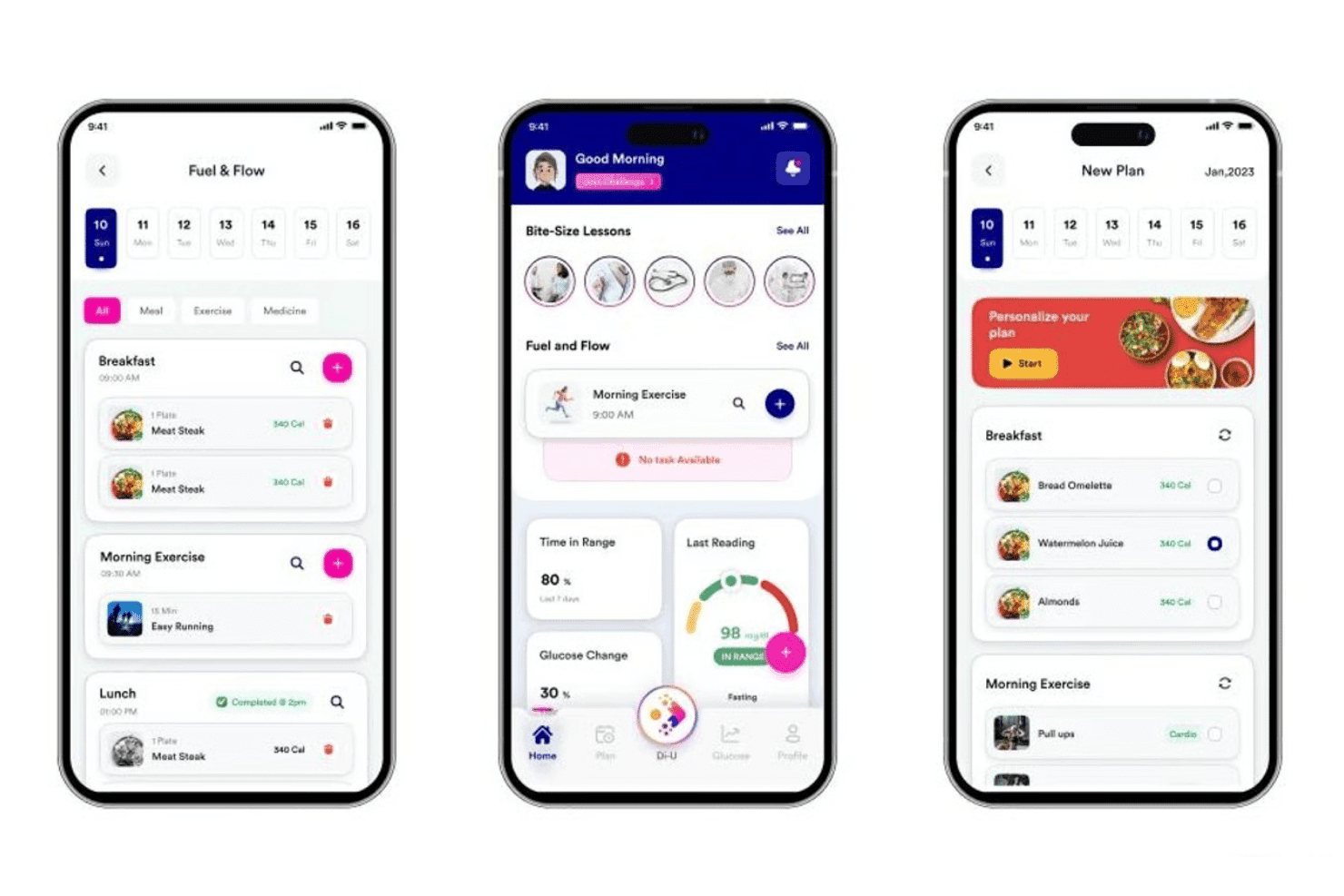
Appinventiv's diabetes app tracks meals, exercise, and glucose levels. Appinventiv is a healthcare software development company specializing in custom telemedicine app development, AI integration, clinical workflow tools, and end-to-end mobile and web app builds for healthcare organizations.
Who Is Appinventiv Best For?
Appinventiv is a strong fit for mid-to-large healthcare organizations that need a custom-built telemedicine platform with AI capabilities, rather than an off-the-shelf solution.
Why I Picked Appinventiv
I picked Appinventiv because it's one of the few development partners that builds AI directly into the clinical layer of a telemedicine app, not just as an add-on. I'm particularly drawn to its NLP-driven symptom assessment features and AI-powered diagnostic support tools, which can reduce the documentation burden on clinicians during virtual visits. Its end-to-end build model also means your team gets architecture decisions, compliance frameworks, and deployment support under one roof.
Appinventiv Key Features
- HIPAA-compliant architecture: Builds secure data handling, access controls, and audit trails into every telemedicine project from day one.
- HL7/FHIR integration: Connects telemedicine apps with EHRs, labs, and pharmacy systems for consistent data exchange.
- Remote patient monitoring modules: Develops wearable and device-integrated features that let clinicians track patient vitals in real time.
- Post-launch maintenance support: Provides ongoing updates, bug fixes, and performance monitoring after deployment.
Pros and Cons
Pros:
- End-to-end coverage from architecture to deployment
- Large team scales fast for enterprise builds
- Builds AI natively into clinical workflows
Cons:
- Timezone gaps slow client feedback cycles
- Quality can vary across project teams
Learn more about Appinventiv: Best for MedTech and SaMD regulatory builds
- Not available
- Pricing upon request
Visit WebsiteCustomer Rating:4.5/5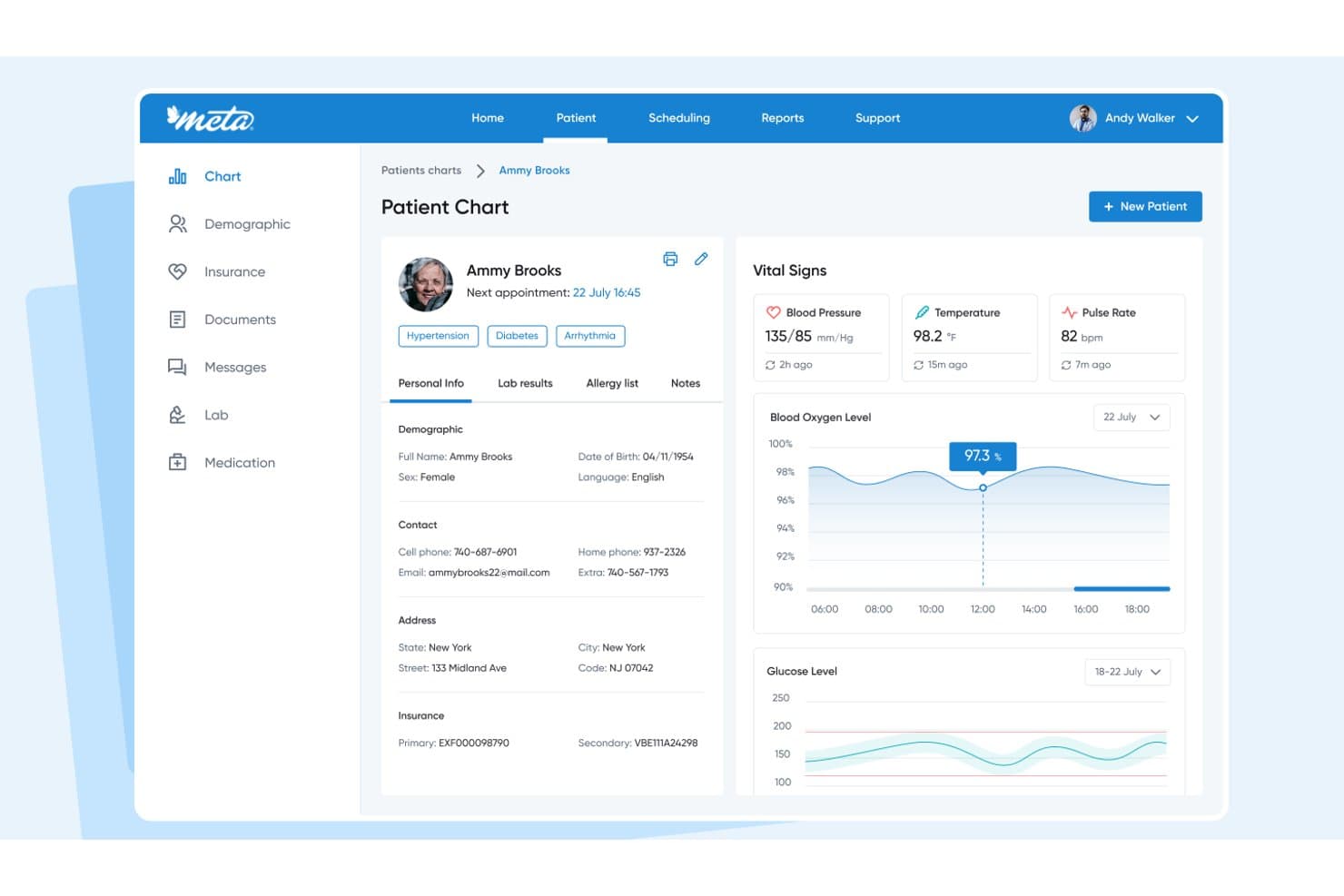
This EHR dashboard displays patient charts, vitals, and health data. Andersen Lab is a healthcare software development company specializing in MedTech, SaMD, and digital health solutions, offering services across custom software engineering, regulatory compliance support, systems integration, and clinical-grade product development.
Who Is Andersen Lab Best For?
Andersen Lab is a strong fit for MedTech companies and digital health teams building Software as a Medical Device (SaMD) products that need to meet FDA, MDR, or IEC 62304 compliance standards.
Why I Picked Andersen Lab
I picked Andersen Lab because it's purpose-built for MedTech and SaMD development, with deep specialization in IEC 62304 lifecycle documentation and FDA/MDR regulatory submissions. I've seen teams get burned by generalist dev shops that treat compliance as an afterthought. Andersen Lab builds regulatory traceability directly into the development process, mapping software requirements to risk controls and verification evidence as the product takes shape.
Andersen Lab Key Features
- HL7/FHIR integration: Connects new builds with EHRs, labs, and pharmacy systems using standard healthcare data protocols.
- HIPAA-compliant architecture: Applies encryption, access controls, and audit logging throughout the development lifecycle.
- Clinical validation testing: Runs structured QA cycles that include regulatory and safety checks for clinical software.
- Legacy system modernization: Migrates outdated hospital and practice-management platforms to cloud-native infrastructure.
Pros and Cons
Pros:
- Strong clinical validation and safety testing
- Regulatory traceability built into development
- Deep SaMD lifecycle and IEC 62304 expertise
Cons:
- Limited presence outside enterprise-scale engagements
- No fixed pricing or transparent cost structure
Learn more about Andersen Lab: Best for FDA-cleared and EHR-integrated builds
- Not available
- Pricing upon request
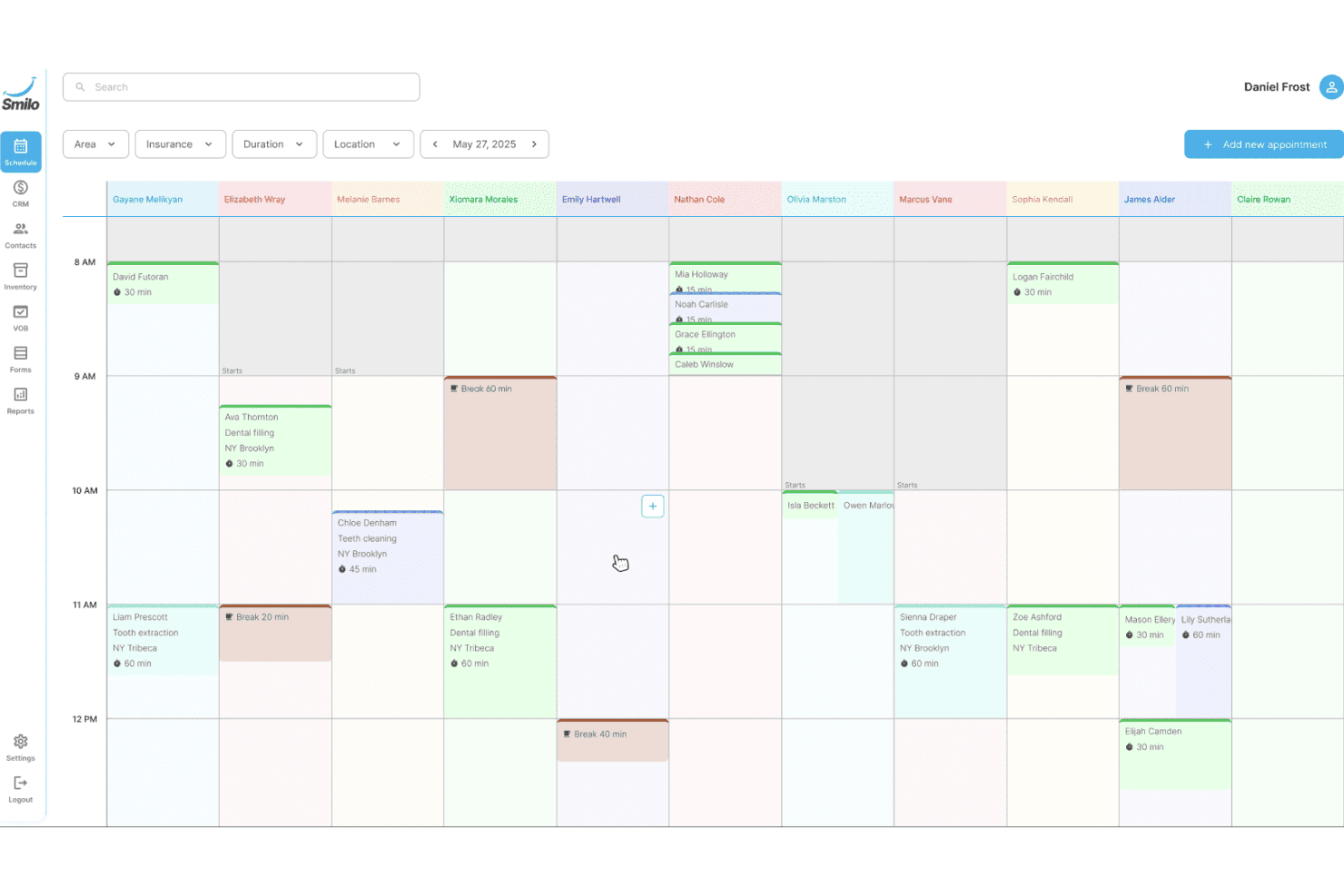
Innowise's Smilio project features dental appointment scheduling and patient bookings. Innowise is a healthcare software development company that builds custom clinical and administrative solutions, including EHR systems, telemedicine platforms, medical device software, and patient-facing applications.
Who Is Innowise Best For?
Innowise is a strong fit for healthcare organizations that need custom-built software designed to meet FDA requirements or integrate with existing EHR infrastructure.
Why I Picked Innowise
I picked Innowise because it brings real depth to two areas that trip up most custom healthcare builds: FDA compliance and EHR integration. Their teams work directly within established frameworks like 21 CFR Part 11 and IEC 62304, which means medical device software and clinical tools can move through regulatory review without the usual back-and-forth. I also like that they build HL7 FHIR and DICOM compatibility into projects from the start, not as an afterthought.
Innowise Key Features
- Telemedicine platforms: Builds video consultation and remote care tools with scheduling and e-prescribing capabilities.
- Legacy system modernization: Migrates outdated hospital and practice-management systems to cloud-native architectures.
- Dedicated healthcare teams: Staffs projects with engineers experienced in clinical workflows and medical terminology.
- QA and validation testing: Runs structured testing cycles covering security, functionality, and regulatory validation.
Pros and Cons
Pros:
- Proven EHR integration across 30+ clinical systems
- Rapidly scales teams for complex healthcare builds
- ISO 13485 and HIPAA certifications already in place
Cons:
- Less suited for AI-driven clinical innovation
- Some clients report language and cultural barriers
Learn more about Innowise: Best for hospital EHR and FHIR integration builds
- Not available
- Pricing upon request
Visit WebsiteCustomer Rating:4.8/5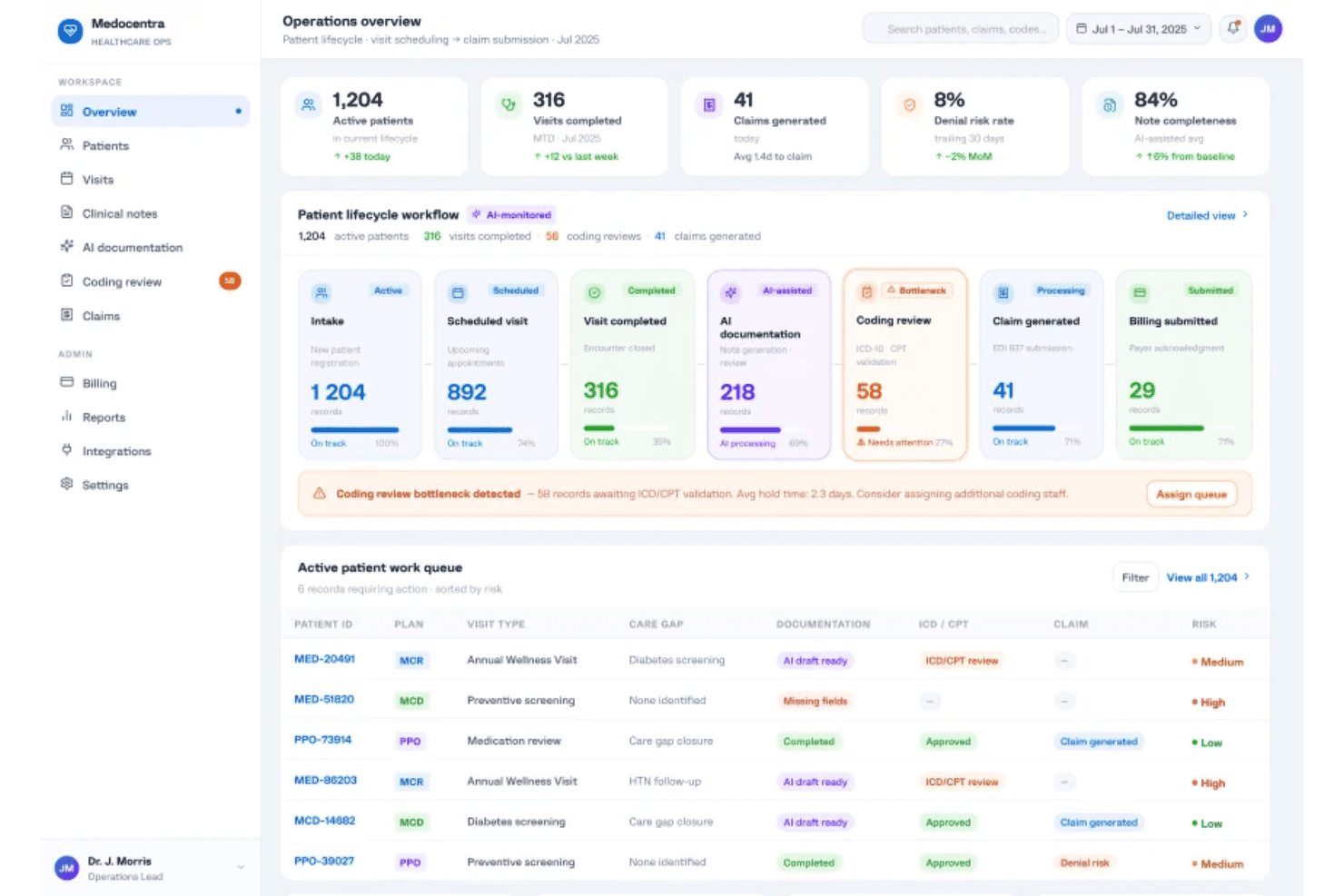
Computools builds healthcare ops dashboards tracking patient lifecycle and claims. Computools is a healthcare software development company that specializes in custom clinical application builds, EHR system development, FHIR-compliant API integrations, and health data interoperability solutions.
Who Is Computools Best For?
Computools is a strong fit for hospitals and health systems that need custom EHR builds or FHIR-compliant API integrations developed from the ground up.
Why I Picked Computools
I picked Computools as one of the best because it's purpose-built for exactly what hospital IT teams struggle with most: custom EHR development and FHIR-compliant API integration. I've seen how their HL7 FHIR-based data exchange work connects disparate clinical systems without forcing hospitals into off-the-shelf constraints. Their experience building interoperability layers between EHRs, lab systems, and patient portals is what sets them apart from general-purpose dev shops.
Computools Key Features
- HIPAA compliance audits: Reviews existing systems and workflows to identify PHI security gaps before development begins.
- Dedicated delivery teams: Assigns named engineers and project managers to each engagement instead of rotating staff.
- Legacy system modernization: Migrates outdated hospital and practice-management platforms to cloud-native architectures.
- QA and validation testing: Runs structured testing cycles covering functional, security, and compliance checks before launch.
Pros and Cons
Pros:
- Dedicated team model reduces handoff friction
- Custom EHR builds tailored to hospital workflows
- Strong FHIR and HL7 interoperability expertise
Cons:
- Engagement timelines can run longer than expected
- No off-the-shelf product for faster deployment
Learn more about Computools:
Andre programvareutviklingsselskaper innen helsevesenet
Noen flere alternativer som ikke kom med på kortlisten min, men som likevel er verdt å se nærmere på:
- 11MindbowserBest for EHR interoperability and FHIR builds
- 12OSPLabsBest for EHR integration across legacy systems
- 13ITRex GroupBest for AI-powered digital health builds
- 14ELEKSBest for HITRUST-certified EHR and telehealth builds
- 15Glorium TechnologiesBest for DME and HME software built over years
- 16SumatoSoftBest for connected-device and AI-driven health apps
- 17Kanda SoftwareBest for lab and hospital legacy modernization
How I Evaluate Healthcare Software Development Companies
I split my evaluation into baseline compliance and engineering requirements every firm must meet, and the differentiators—like FHIR depth, clinical domain knowledge, and post-launch support—that set the best apart.
Core Service Offerings (Table Stakes For This List)
When I'm selecting providers for my list, I rank each one on a scale from 0 (does not offer the service) to 5 (excels in this area) for each core service listed below. I then calculate the provider's total score into a percentage, using 60% as a benchmark to help assess its overall fit for the list.
- HIPAA-Compliant Development: I look for documented practices like encryption, access controls, audit trails, and BAAs—not just a compliance logo on the homepage.
- Custom Healthcare Software Engineering: Each provider should show named builds like patient portals, clinical apps, or scheduling tools—not just configuration work.
- Healthcare Systems Integration: I evaluate how a provider connects EHRs, labs, and billing systems using HL7 or FHIR, including real integration case studies.
- Clinical Domain Expertise: Staff with clinical or healthcare operations backgrounds should inform product design, visible in workflow-aware case studies.
- Ongoing Support & Maintenance: Post-launch plans matter. I check for structured maintenance terms, security patching, and uptime monitoring commitments.
- QA & Validation Testing: Providers should run healthcare-specific validation testing, not just functional QA, to catch safety and compliance gaps before launch.
Once I have a list of providers that meet the criteria, I consider what sets each one apart from the rest.
Differentiating Factors (What Sets Providers Apart)
Here's how I compare and contrast different providers:
Standout Services
I look for vendors with real regulatory submission support—firms that walk you through FDA SaMD classification or de novo filings, not just build to spec and hand it off. AI-driven clinical tools also matter; I evaluate whether a vendor can ship features like predictive analytics or clinical decision support that actually fit into a provider's workflow. A dedicated clinical advisory board rounds out my list, because clinicians reviewing design decisions throughout a build catch workflow gaps that engineers alone will miss.
Beyond Core Offerings
I check whether a vendor staffs dedicated, named teams with healthcare-specific roles like clinical informaticists—not rotating contractors who lose project context between sprints. Deployment flexibility matters too; a growing multi-site practice needs a partner comfortable with cloud, on-premise, or hybrid hosting that scales as you add locations. I also evaluate specialty alignment by reviewing portfolio work with practices similar in size and type to mine, since a vendor familiar with behavioral health billing codes works very differently from one built around radiology workflows.
Hva er et programvareutviklingsselskap innen helsevesenet?
Et programvareutviklingsselskap innen helsevesenet utvikler og integrerer tilpasset klinisk programvare – pasientportaler, EHR-tilkoblinger, telehelseplattformer og forskriftskompatible applikasjoner for medisinsk utstyr – for legekontorer og helsesystemer. Disse selskapene kombinerer ingeniørkompetanse med kunnskap om kliniske fagområder for å håndtere HIPAA-samsvar, HL7- eller FHIR-samhandling og FDA-krav der det er relevant. For en eier av en praksis betyr den rette samarbeidspartneren programvare som passer inn i eksisterende arbeidsflyter, holder pasientdata sikre og kan skaleres etter hvert som klinikken får flere behandlere, tjenester eller lokasjoner.
Slik velger du et programvareutviklingsselskap innen helsevesenet
Valget bør avhenge av hvor den største integrasjons-, samsvars- eller kliniske arbeidsflytrisikoen faktisk ligger.
| Hvis prioriteten din er | Se etter |
|---|---|
| Hvis prioriteten din erTilkobling til et eksisterende EHR-system | Se etterDokumenterte HL7-/FHIR-integrasjonscasestudier med din spesifikke EHR-leverandør |
| Hvis prioriteten din erFDA-samsvar for SaMD eller medisinsk utstyr | Se etterEn leverandør med tidligere erfaring med 510(k)- eller de novo-innsendelser, ikke bare HIPAA |
| Hvis prioriteten din erUtvikling av telehelse- eller RPM-produkter | Se etterDokumentert erfaring med datastrømmer fra bærbare enheter og arbeidsflyter for asynkron behandling |
| Hvis prioriteten din erDistribusjon på flere lokasjoner eller i en virksomhet | Se etterHybrid eller skyfleksibel arkitektur med tydelige vilkår for støtte etter lansering |
| Hvis prioriteten din erForsikring om HIPAA-samsvar | Se etterEn signert BAA og dokumenterte rutiner for revisjonsspor før kontraktsinngåelse |
Slik vurderer du kortlisten din
- Be om et utkast til BAA på forhånd: Be om deres standardavtale for forretningsforbindelser før noen kontraktsdiskusjon, slik at du kan kontrollere at samsvarsarbeidet deres er reelt og ikke bare markedsføring.
- Be om tre navngitte referanser på EHR-integrasjoner: Be om kontaktopplysninger til tidligere kunder som bruker det samme EHR-systemet som dere, og følg deretter opp med minst én av dem.
- Send et avgrenset teknisk spørsmål skriftlig: Send et konkret scenario for samhandling og angi en svarfrist på 48 timer for å vurdere både faglig dybde og responstid.
- Gå gjennom QA-dokumentasjonen deres: Be om en prøve på en valideringstestplan fra et fullført helseprosjekt for å bekrefte at de gjennomfører testing på klinisk nivå, ikke bare funksjonell QA.
- Hastighet kontra grundighet i samsvarsarbeidet: Selskaper som jobber raskt, hopper ofte over grundig validering, mens firmaer med dyp regulatorisk erfaring arbeider saktere – avgjør hvilken risiko du minst har råd til å ta.
Når bør du bruke et programvareutviklingsselskap innen helsevesenet?
Velg et programvareutviklingsselskap innen helsevesenet når standardverktøy ikke kan tilpasses de kliniske arbeidsflytene, samsvarskravene eller EHR-miljøet ditt uten kostbare omveier.
Her er tilfellene der tilpasset utvikling gir mest mening:
EHR-systemet ditt kobler seg ikke til noe: Planleggingsverktøyet, faktureringsplattformen og laboratorieportalen din opererer som separate siloer. Et tilpasset integrasjonslag bygget på HL7 eller FHIR lukker disse gapene og reduserer den manuelle dataregistreringen som forsinker resepsjonen din.
Du trenger en tilpasset pasientportal: Den nåværende leverandøren din vil ikke fastsette omfanget av en tilpasset løsning som samsvarer med omsorgsmodellen din. Et selskap for utvikling av helseteknologisk programvare leverer et HIPAA-kompatibelt produkt bygget rundt arbeidsflytene dine på 4–6 måneder.
Programvaren omfattes av FDA-regelverket: Når det kliniske verktøyet ditt kvalifiserer som SaMD, har standard utviklingsselskaper ikke tilstrekkelig dokumentasjonserfaring for 510(k)- eller de novo-innsendelser. Et selskap med tidligere erfaring fra innsendelser sørger for at prosessen ikke stopper opp.
RPM-programmet trenger en datapipeline: Bærbare enheter genererer datastrømmer i sanntid som krever tilbakeskriving til EHR og varslingslogikk som en generisk app ikke kan støtte. Det rette selskapet bygger denne datapipelinen slik at behandlingsteamet ditt får handlingsrettede varsler, ikke rå datastrømmer.
Priser
Prosjekter hos selskaper for utvikling av helseteknologisk programvare koster vanligvis mellom $50,000 og $500,000+, avhengig av omfanget av EHR-integrasjonsarbeidet og om utviklingen krever FDA-regulert SaMD-dokumentasjon. Behandlingsleverandører arbeider vanligvis innenfor en av følgende prismodeller:
| Prismodell | Gjennomsnittspris | Tjenesteinkluderinger | Best egnet for |
|---|---|---|---|
| PrismodellProsjektbasert | Gjennomsnittspris$50,000–$250,000 | TjenesteinkluderingerUtvikling med fast omfang, definerte milepæler, kvalitetssikring | Best egnet forPasientportaler, planleggingsverktøy |
| PrismodellTid og materialer | Gjennomsnittspris$75–$200/time | TjenesteinkluderingerFleksibelt omfang, iterative sprinter, rapportering | Best egnet forKrav i utvikling, løpende funksjonsutvikling |
| PrismodellDedikert team | Gjennomsnittspris$15,000–$40,000/måned | TjenesteinkluderingerNavngitte utviklere, kliniske informatikkspesialister, prosjektleder | Best egnet forUtvikling på flere lokasjoner, langsiktige veikart |
| PrismodellBasert på løpende avtale | Gjennomsnittspris$5,000–$20,000/måned | TjenesteinkluderingerVedlikehold, feilrettinger, overvåking av oppetid | Best egnet forStøtte etter lansering, vedlikehold av samsvar |
| PrismodellArbeidsomfang/leveranser | GjennomsnittsprisVarierer etter leveranse | TjenesteinkluderingerHL7/FHIR-integrasjon, 510(k)-dokumentasjon | Best egnet forFDA-innsendelser, enkeltstående integrasjonsprosjekter |
Det er viktig å velge riktig prismodell, fordi en uegnet struktur kan føre til at du betaler for mye for fleksibilitet du ikke trenger, eller blir bundet til et fast omfang som ikke kan håndtere endringer i kravene til samsvar under utviklingen.
Viktige faktorer som påvirker prisen
I tillegg til den spesifikke prismodellen er dette noen andre faktorer som kan påvirke kostnadene hos et selskap for utvikling av helseteknologisk programvare:
- Graden av kompleksitet i EHR-integrasjonen: Det krever flere utviklingstimer å koble til flere EHR-systemer via HL7 eller FHIR enn å utvikle en løsning for ett enkelt system.
- Regulatorisk klassifisering: Programvare som kvalifiserer som SaMD og krever 510(k)- eller de novo-dokumentasjon, medfører juridiske kostnader og valideringskostnader som de fleste HIPAA-baserte løsninger ikke har.
- Involvering av kliniske fagområder: Å involvere kliniske informatikkspesialister eller et klinisk rådgivende utvalg for å utforme arbeidsflyten øker bemanningskostnadene, men reduserer kostbar omarbeiding senere.
- Distribusjonsarkitektur: Hybrid- eller lokal drift for praksiser på flere lokasjoner koster mer å utvikle og vedlikeholde enn en skydistribusjon med én leietaker.
- Omfanget av støtte etter lansering: Strukturerte vedlikeholdsplaner med sikkerhetsoppdateringer og overvåking av oppetid medfører løpende kostnader utover den innledende utviklingen.
Hvis du kjenner disse strukturene og kostnadsdriverne på forhånd, blir det enklere å sammenligne tilbud fra ulike leverandører og tilpasse prisen til dine faktiske behov for samsvar og integrasjon.
Vanlige spørsmål
Noen svar på vanlige spørsmål om et selskap for utvikling av programvare for helsesektoren:
Hvor lang tid tar et tilpasset programvareprosjekt for helsesektoren?
De fleste løsninger for pasientportaler eller timebestilling tar 4–6 måneder fra oppstart til lansering, mens komplette EHR-integrasjoner eller SaMD-produkter kan ta 9–12 måneder eller mer. Tidsplanen blir lengre når et prosjekt krever 510(k)-dokumentasjon, tilkobling til flere EHR-systemer eller klinisk valideringstesting. Jeg ville beregnet ekstra tid til gjennomganger med interessenter, siden klinikere og medarbeidere med ansvar for etterlevelse må godkjenne endringer i arbeidsflyten før løsningen kan settes i drift. Be leverandøren om en tidsplan fase for fase, ikke bare én lanseringsdato.
Hva er forskjellen mellom HL7- og FHIR-integrasjon?
HL7 v2 er en eldre meldingsstandard som fortsatt er vanlig i sykehussystemer, mens FHIR bruker moderne API-er som gjør datautveksling raskere og enklere å bygge videre på. Mange EHR-systemer bruker fortsatt HL7 v2 for laboratoriesvar og innleggelsesdata, så en leverandør må støtte begge. Hvis klinikken din planlegger å ta i bruk telehelse- eller RPM-verktøy senere, ville jeg valgt en FHIR-basert arkitektur nå, siden den er mer fleksibel for fremtidige integrasjoner.
Trenger jeg en BAA med et selskap for utvikling av programvare for helsesektoren?
Ja, du trenger en signert avtale med en forretningsforbindelse med enhver leverandør som oppretter, lagrer eller overfører beskyttede helseopplysninger på dine vegne. En BAA beskriver hver parts ansvar for å beskytte pasientdata og fastsetter pliktene ved varsling av databrudd. Be om et utkast til BAA før du signerer en kontrakt. Hvis en leverandør nøler eller ikke raskt kan legge frem en slik avtale, bør du se det som et tegn på at rutinene deres for etterlevelse ikke er så solide som de hevder.
Kan et selskap for utvikling av programvare for helsesektoren hjelpe med innsendinger til FDA?
Noen kan det, men ikke alle. Leverandører med tidligere erfaring med 510(k)- eller de novo-innsendinger har dokumentasjonsmaler, risikostyringsprosesser og kvalitetssikringsprotokoller utviklet for FDA-gjennomgang. Hvis programvaren din kvalifiserer som programvare som medisinsk utstyr, bør du be om eksempler på tidligere innsendinger de har bistått med, og spørre om de har arbeidet med samme utstyrsklassifisering før. Et firma uten denne bakgrunnen vil forsinke tidsplanen betydelig.
Hva skjer etter at programvaren for helsesektoren er satt i drift?
Leverandøren bør tilby strukturert støtte etter lansering, inkludert sikkerhetsoppdateringer, overvåking av oppetid og feilrettinger gjennom en vedlikeholdsavtale. Avtaler basert på fast månedlig honorar ligger vanligvis på $5,000-$20,000 per måned, avhengig av systemets kompleksitet. Spør på forhånd hvordan de håndterer kritiske problemer, for eksempel at et timebestillingsverktøy slutter å fungere i klinikkens åpningstid, og hva de skriftlige forpliktelsene deres til responstid er, før du signerer noe.